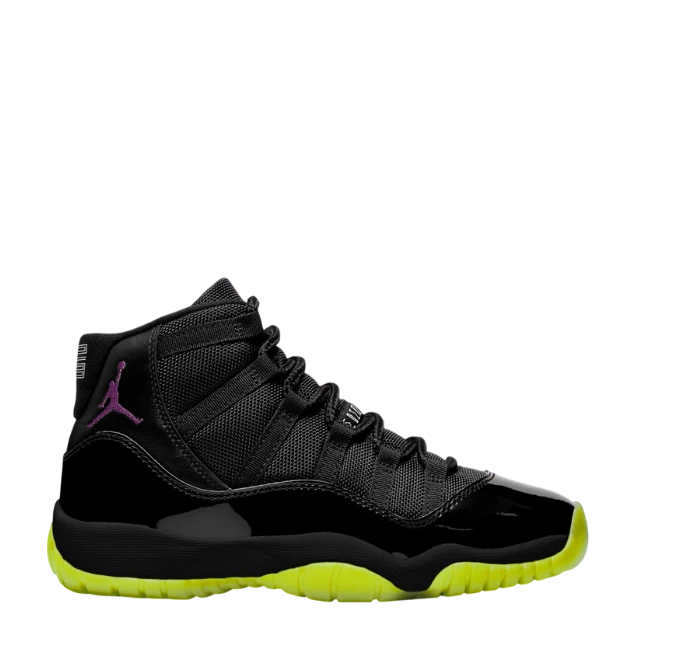
When a shopper types Jordan 4 Retro forget me not near me, the intent is usually local and immediate: find a store, confirm a size, or check whether the pair is in stock today. For an independent retailer, that query is less about one sneaker and more about how well your local inventory, product page, and pickup process match demand. This guide covers the colorway, local search intent, supplier verification, and the margin checks that matter before you buy.
What the Forget Me Not Colorway Actually Is
The Air Jordan 4 Retro Forget Me Not is a colorway in the AJ4 line, not a separate silhouette. The shoe uses the standard Jordan 4 build: layered upper, mesh vents, plastic wing eyelets, and visible Air cushioning. Treat the name as a colorway signal, not proof of authenticity.
Because colorway names get copied quickly, confirm the style code, official images, and packaging details before you list or buy stock. If a supplier cannot provide a clear style code and real photos of the actual pair, pause. A useful product page should show the upper, midsole, heel tab, tongue label, and box label.
Fit follows the standard Jordan 4 pattern for most buyers, but sizing preferences vary by foot shape. A US size that works in a running shoe may feel different in a retro basketball build. Use a size guide and a return policy, not a guess, especially when selling online.
Why Local Search Intent Converts Differently
A customer who Searches jordan 4 retro forget me not near me is usually comparing convenience, not just price. They may call three stores and buy from the first one that confirms a US size, pickup window, and condition. Response speed becomes part of your offer.
Store owners should keep local product data clean. Update size availability, store hours, pickup rules, and return policy on the same page. If you sell online only, say so clearly and show shipping time instead of implying local pickup.
Local search also exposes gaps. If your page ranks but the size is sold out, the visitor leaves and may not return. A sold-out size should not look available. Use an in-stock or out-of-stock label and a restock alert.
Use the table below to map common customer signals to store actions.
| Customer signal | What it usually means | Retail action | Risk if ignored |
|---|---|---|---|
| Searching for a local pair | Wants pickup or same-day stock | Show address, hours, and live size availability | Lost walk-in sale |
| Asking if a size is in stock | Ready to buy if the fit works | Reply with size, condition, and pickup window | Customer buys elsewhere |
| Requesting more photos | Needs reassurance before paying | Send in-hand photos and label shots | Return or payment dispute |
| Asking for bulk pricing | May be a reseller or small retailer | Route to B2B terms, MOQ, and written quote | Wrong margin or support load |
The point is not to chase every message. It is to answer the high-intent ones fast.
A page built for jordan 4 retro forget me not near me should answer four things fast: what the shoe is, which sizes are available, where to get it, and how returns work. Put the colorway name, style code, and local availability above the fold. Add real photos, not only manufacturer images. If you offer pickup, show the store address and cutoff time.
Local queries are not a guarantee of a local sale. Some shoppers will use your page to confirm the model, then buy from a larger retailer. The defense is specific stock information and a clear reason to visit: a confirmed size, a fair price, and a simple pickup promise.
How to Source Stock Without Guessing
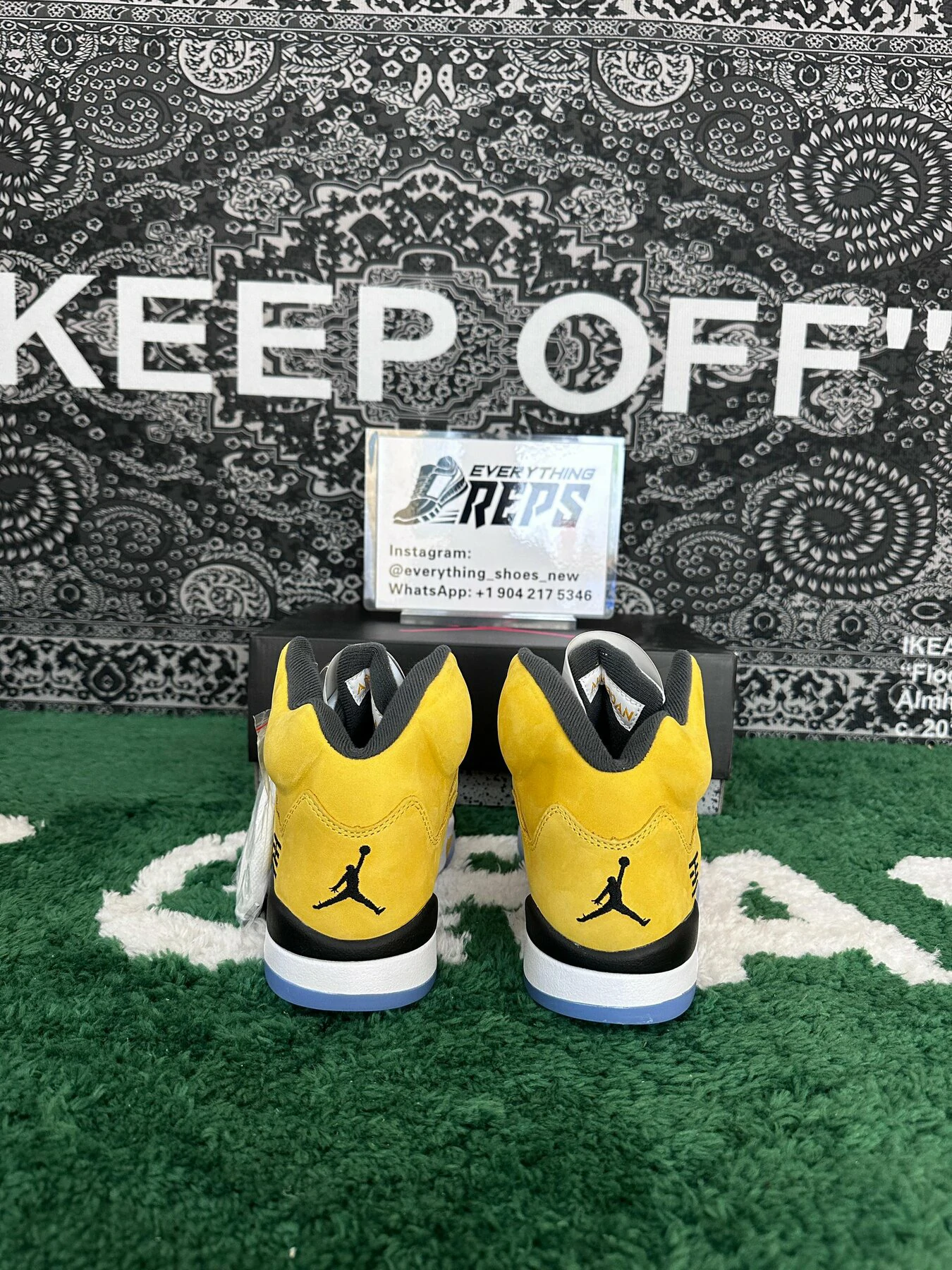
Wholesale and resale channels for a named Jordan colorway are uneven. Some suppliers offer full size runs, some offer broken sizes, and some mix authentic pairs with questionable stock. Your job is to separate sellable inventory from risk. Do not rely on a colorway name alone.
Ask every supplier for the same evidence: style code, size breakdown, condition, box and label photos, and written return terms. Ask whether the pairs are new, shelf-worn, or customer returns. That answer changes what you can list them as.
Start with a small test order if the supplier is new to you. Check stitching, midsole paint, heel tab shape, tongue label, and box label against known authentic references. For high-value pairs, use a professional authentication service before listing. No supplier photo set replaces an in-hand check.
Supplier screening should include a second check after delivery. Count the pairs against the invoice, inspect every size, and photograph any defects before the stock goes live. If the batch is mixed, separate retail-ready pairs from problem pairs. That prevents a single bad unit from damaging your store's reviews.
A Checklist for Local Stock and Supplier Review
Before you publish a local product page or send a purchase order, run a short review. The checklist below is built for independent stores that cannot absorb a bad batch.
- Confirm the style code and colorway against official reference images.
- Photograph the box label, size tag, heel tab, and tongue label.
- Verify the size run and condition, not just the total pair count.
- Ask for written return terms and authentication remedies.
- Check the pickup or shipping promise before listing the pair.
- Recheck stock weekly and remove sold sizes immediately.
A clean checklist saves more margin than a clever listing. It also gives your staff a consistent way to answer questions without guessing.
Pricing and Margin Discipline
Price the pair against your actual replacement cost, not a screenshot from a marketplace. Include payment fees, shipping, authentication, and the cost of holding slow sizes. A colorway can look profitable at a low unit cost and still lose money if one size sits for months.
Use a size-level margin review. Fast-moving US sizes can carry a thinner margin; slow sizes need a higher buffer. Do not copy a competitor's price without checking condition and box completeness. A pair with no box is not the same product.
For wholesale inquiries, keep quotes written and time-stamped. State whether the price includes shipping, whether returns are accepted, and what happens if a pair fails authentication. Those terms protect both sides.
Keep a simple sell-through note for each size. If a size has not moved in a reasonable window, cut the price or bundle it rather than pretending it is core stock. Cash tied up in slow inventory cannot buy the next release.
Questions Buyers and Retailers Ask
Is the Forget Me Not a limited release?
Jordan Brand releases vary by market and channel, and limited is often used loosely by resellers. Check official launch details and current stock rather than assuming scarcity. For retail buyers, scarcity matters only if you can verify authentic stock and sell it within your holding period.
How should a store handle local pickup requests?
Confirm the exact size, condition, and pickup window before holding a pair. Use a short hold period and require a name or phone number. If the customer does not arrive, release the pair. Clear pickup rules reduce friction and protect sellable inventory.
What should I check on a supplier invoice?
The invoice should state style code, size run, condition, unit cost, shipping terms, and return policy. Ask for photos of the actual pairs and box labels. For high-value stock, require authentication or a written remedy if a pair fails inspection. Verbal promises are hard to enforce.
Can a local search page help online-only sellers?
Yes, if it is honest. Retailers who want to rank for jordan 4 retro forget me not near me can target the query with a clear page, but the page must state whether pickup is available. Online-only sellers should show shipping time and avoid local pickup language.
Ready to stock the colorway? Build a short supplier brief with the style code, size run, condition standard, and return terms. If you are building inventory around jordan 4 retro forget me not near me, start with a small test order and scale only after the pairs pass inspection. Contact your supplier for a written quote and current availability.