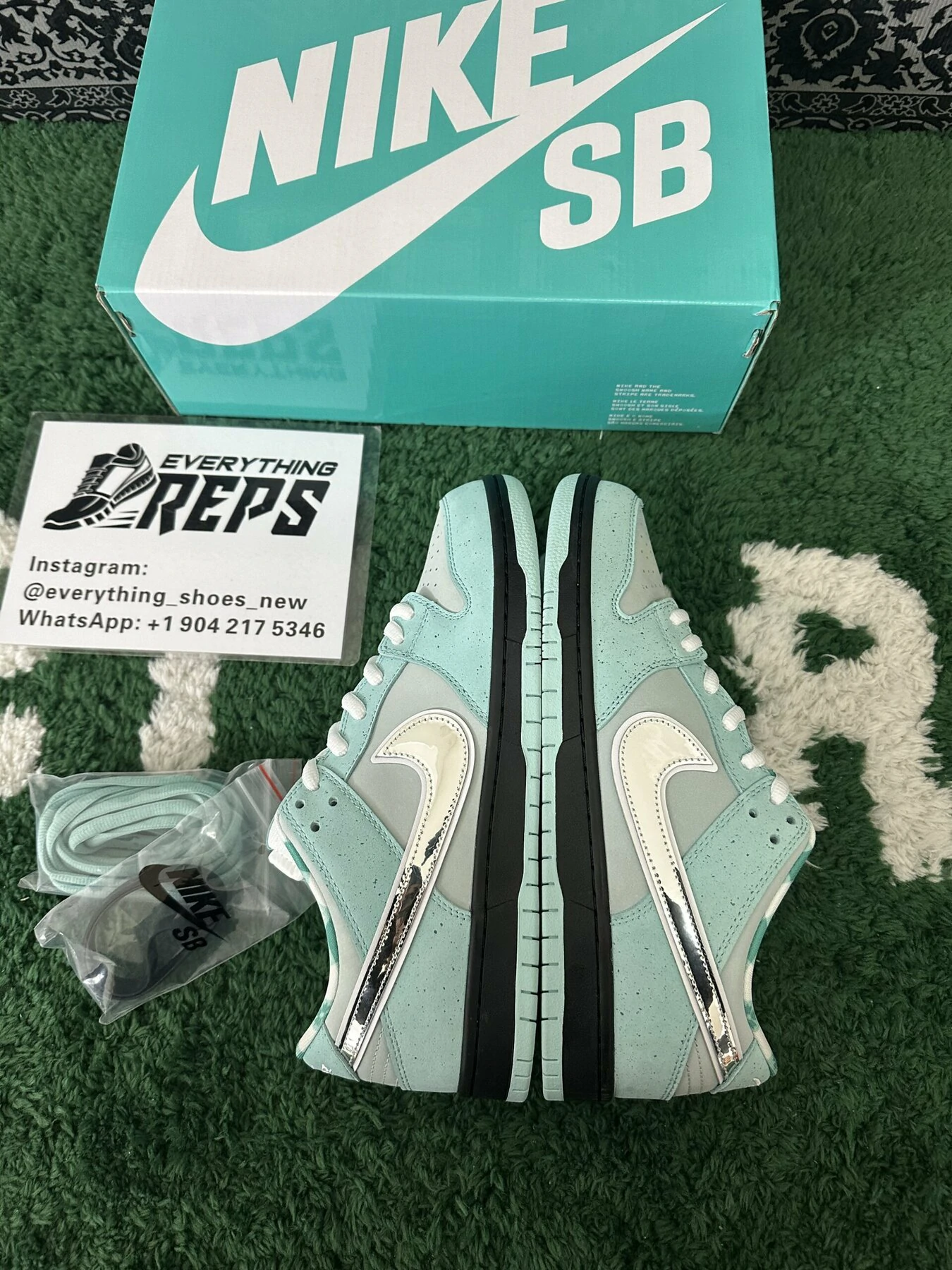
The Nike SB 711 Dunk is a Sample-era Dunk Low SB built around a convenience-store color story, and it was never part of a normal seasonal release. That single fact shapes everything about how you buy, price, or consign it. Below you will find what the shoe actually is, what tends to circulate in the market, and the checks worth running Before you quote a customer or send Money to a stranger.
What the Nike SB 711 Dunk Actually Is
The short version: it is a Dunk Low Pro SB with green and orange panels over a white base, plus red accents that pull the whole thing together. Collectors generally describe it as a sample rather than a general release, and that description has stuck because no seasonal catalog listing has ever surfaced for it.
Because it sits outside the release calendar, there is no standard size run, no standard box label, and no reliable public price history. Pairs move between collectors, at auction, and through people who happened to be in the right room at the right time. That is the entire supply chain.
Custom builders also produce pairs in this color story. A custom is not the same product as a sample, yet the two get listed side by side constantly, often with the same photos. Keep them separate in your head and in your paperwork.
What makes the colorway stick with buyers is the blocking itself. Green and orange on white reads instantly as a reference, and that readability is why the pair keeps resurfacing in group chats and store inquiries years after the sample era ended.
Why Supply Is Thin and What That Signals
Sample production runs are small by design. When a colorway never reaches production, the surviving pairs are whatever left the sample room, which usually means a handful of pairs in one or two sizes. Not a size run. Not a restock. Not a pallet.
That gives you a hard filter for sourcing. If a listing offers a full size run, twenty pairs, or a wholesale lot of the Nike SB 711 Dunk, treat it as a counterfeit offer until proven otherwise. Legitimate sample pairs almost never appear in quantity, and they never appear on a supplier price list with tiered MOQs.
The one exception worth knowing is the custom market, where makers build pairs to order in any size. Those are honest products when they are labeled as customs. They become a legal problem the moment a Seller presents them as original samples.
Scarcity also changes the negotiation. With no comp sheet to anchor a price, the seller sets the frame and the buyer either accepts it or waits. When there is no reference price, documentation becomes your only real leverage.
What Is Actually Circulating Right Now
Most offers fall into four buckets, and each one deserves a different level of scrutiny. Here is how we sort them before spending time on photos.
| Type | Quantity to expect | Typical source | Main risk |
|---|---|---|---|
| Original sample pair | One or two pairs, single size | Collector to collector, auction | Faked provenance, swapped tags |
| Pre-owned sample, worn | One pair | Consignment, estate sales | Condition overstated in photos |
| Custom build | Made to order | Independent customizers | Listed as an original sample |
| Replica | Any quantity, full size runs | Overseas factories | Trademark liability, chargebacks |
Original pairs and honest customs are fine to trade. Replicas are not, and a custom passed off as an original is fraud. Sort the offer before you sort the price.
Authentication Checkpoints Before You Pay
Photos in a listing tell you less than the seller's answers do. Ask for the items below in writing, and walk away from anyone who gets defensive about it. On a shoe this rare, the provenance conversation matters more than any single stitch count.
Ask for the seller's own photos rather than a folder of saved images. A short video call, where the pair is in hand and the size tag is visible, kills most bad offers in under two minutes.
- Tag and label shots. Request a close, well-lit photo of the size tag inside the tongue and any sample stamping. Compare stitching density and font against known SB Dunk tags from the same era.
- Dated photo set. Insist on photos showing the outsole, the inside of the collar, and the heel embroidery. This filters out stock images pulled from old forum threads.
- Provenance in writing. Where the seller got it, when, and from whom. Answers like a vague connect overseas are an answer in themselves.
- Third-party legit check. Pay a professional authenticator before any large transfer. The fee is small next to the loss.
- Payment protection. Use a method with recourse. Wires to strangers are how most losses in this niche happen.
For materials, run your thumb across the tongue padding and the collar edge. SB Dunk pairs from the sample era have a specific density, and replicas tend to feel flatter and stiffer. Treat that as a soft signal, not proof, and pair it with paperwork.
Sizing and Fit Notes for SB Dunk Buyers
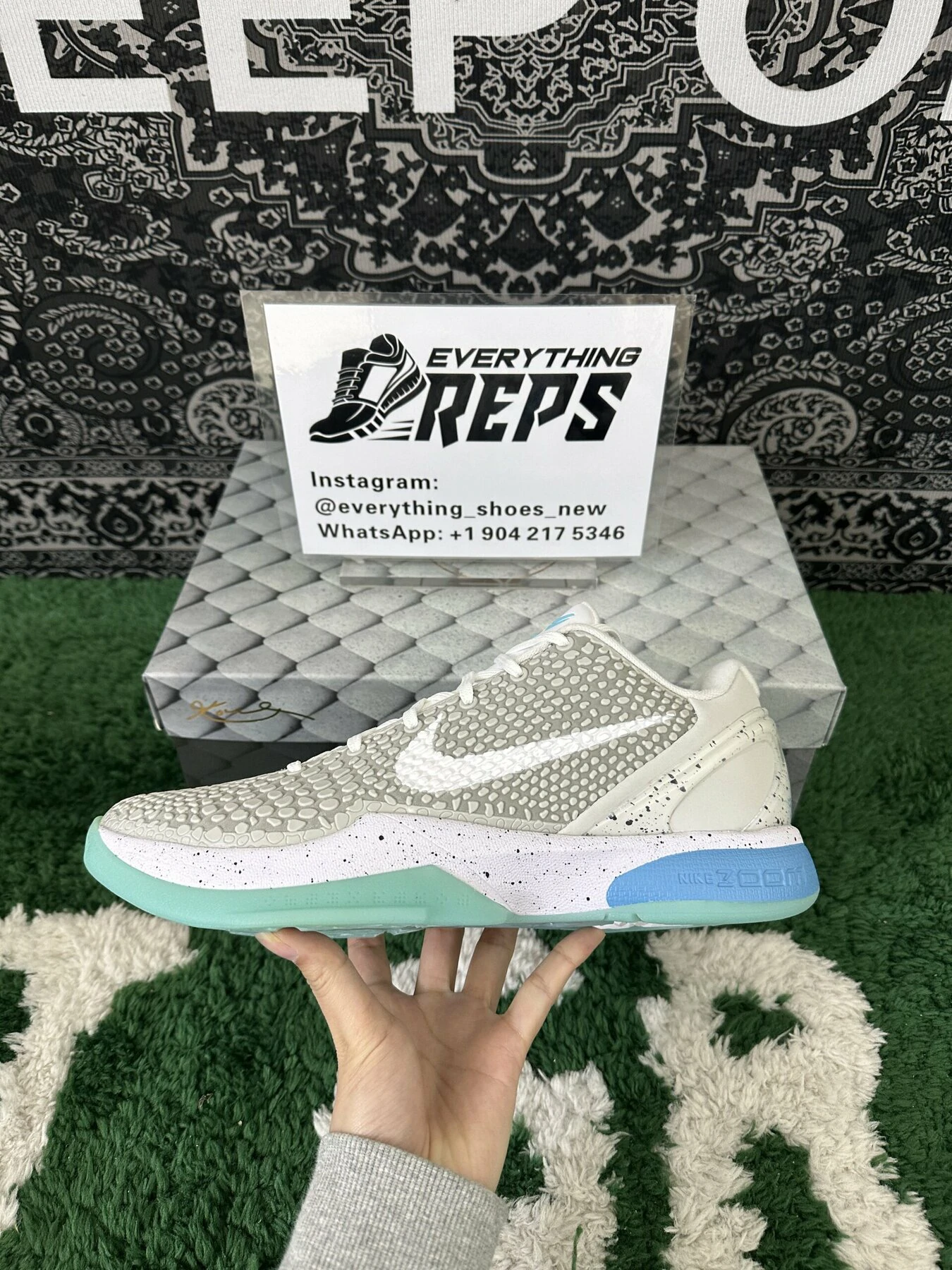
Standard SB Dunk Low fit applies: most people take their normal US sneaker size, and buyers with wide feet often go up a half size to clear the padded tongue and collar. Expect a week or two of break-in before the collar softens.
That guidance is mostly academic here. Sample pairs usually exist in one size, so a customer asking for a US 10.5 in the Nike SB 711 Dunk is realistically asking for a custom build or a different Dunk entirely. Verify against the official size chart before you promise a fit to anyone.
How Shops Should Handle Inquiries and Paperwork
Customers walk in with screenshots and ask whether you can get a pair. The honest answer is usually no, and saying so protects your reputation better than a maybe. Offer a general release SB Dunk in a similar color story, or point them to a custom maker you trust, and be clear about what they are buying.
If you do consign or resell a sample, document everything: condition notes, photos taken before shipping, a written record of the provenance as told to you, and the authentication report if one exists. Never describe a custom as an original, and never list a replica at all. Counterfeit sales carry real trademark exposure, and marketplace chargebacks hit small shops harder than large ones.
Keep the Nike SB 711 Dunk inquiry as a saved reply with your policy attached. It saves staff time and stops anyone from improvising an answer that sounds like a sourcing promise.
Questions We Get From Buyers
Was this colorway ever sold at retail?
No retail release has been documented. Treat claims of a retail drop, a restock, or an original mall receipt as warning signs. If a seller offers a receipt, ask for the store name and verify it independently before discussing price.
How many pairs exist?
Nobody has a reliable count, and anyone who quotes one is guessing. What matters is the pattern: original pairs surface one at a time, in single sizes, from collectors with a story. Volume offers do not fit that pattern.
Can my store stock it for resale?
Rarely, and not through normal wholesale channels. There is no distributor program for a sample colorway. Your realistic options are consignment, a one-off collector purchase, or clearly labeled custom builds from a maker you have vetted.
What should I charge on consignment?
Value depends on condition, size, and documentation, so quote per pair after authentication. Set your commission as a percentage and disclose it upfront. Get the owner's written agreement on a floor price before you list anything.
Is a custom pair a legal substitute?
Customizing genuine shoes is generally accepted; manufacturing shoes carrying another brand's marks is not. Buy from makers who label their work as custom, and disclose that status to every buyer. For import and duty questions, confirm details with a customs broker.
Send Us the Details First
If you are weighing a sample purchase, a consignment deal, or a customer request you are not sure how to price, send us what you have. Photos, size, provenance notes, and the seller's terms are enough for a first read. We will tell you what we would do, and we will tell you plainly when the right move is to walk away.