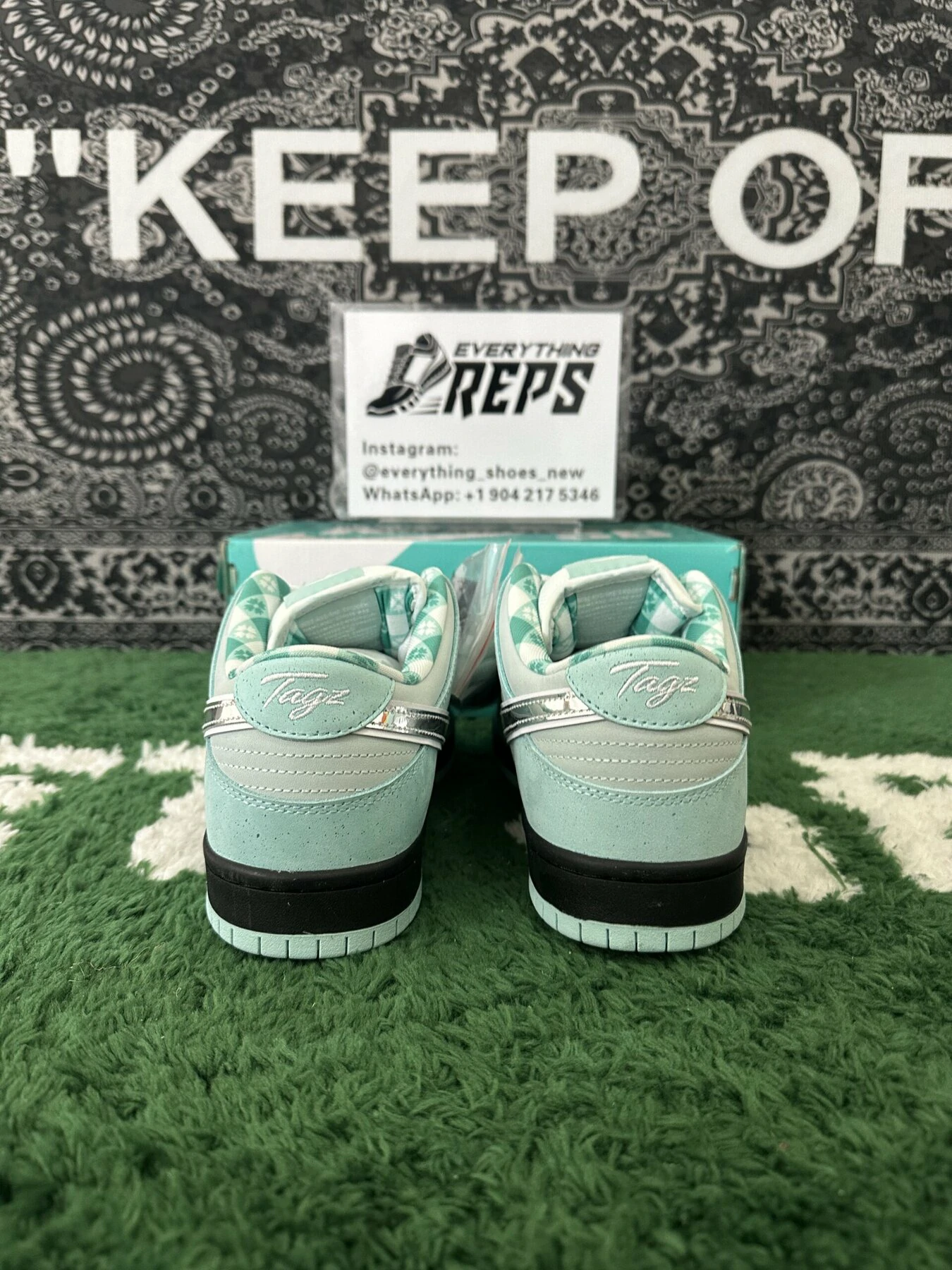
Not really. An Air Force 1 runs longer and roomier than a standard Dunk, and a Dunk SB feels snugger still once the padded tongue and thicker sockliner are in play. A customer who wears a US 9 in AF1 usually lands on a 9.5 in a Dunk, but treat that as a starting point rather than a rule.
That gap matters more in wholesale than it does for one shopper. Store owners and online sellers ask do nike dunks run like air forces often enough that it deserves an answer built on last shape, toe box volume, and exchange data instead of gut feel.
Why the Air Force 1 Feels Bigger on Foot
Most buyers who ask do nike dunks run like air forces are working from a single reference pair of AF1s, usually a beat pair they have worn for years. That shoe sits on a wide, generous last with a tall toe box, so the foot spreads out and the length reads longer than the label suggests.
Dunks use a narrower profile through the midfoot and a lower toe box. Combine that with how quickly AF1 leather softens and how much the midsole compresses, and the "my Forces are huge" experience starts to make sense.
Weight plays a part too. The AF1 carries more material and sits higher, so it feels loose and heavy. A Dunk hugs closer to the ground, and some customers read that locked-in feel as "too small" even when the length is correct.
Standard Dunk vs. Dunk SB: Two Different Fits
The SB build adds a padded tongue, a Zoom unit, and a thicker sockliner. All three eat vertical volume, and the effect is real: plenty of buyers stay true to size in a regular Dunk Low but go up a half size in SB Dunks.
That single difference explains most of the confusion around Dunk sizing. A shop carrying both versions needs separate fit notes on the shelf, not one blanket recommendation taped to the wall.
Materials matter as well. A canvas Dunk stretches in a week; a full-grain leather pair may take a month before the toe box gives you anything back.
Side-by-Side Fit Comparison
The table below is a directional guide for buying decisions, not a spec sheet. Confirm against the current official size chart for the exact model and year before you commit to a run.
| Fit Factor | Air Force 1 | Dunk Low (standard) | Dunk SB |
|---|---|---|---|
| Length | Runs roughly a half size long | Close to true to size | True to size or slightly short |
| Width | Wide and forgiving | Medium, slightly narrow | Narrow, snug at the midfoot |
| Toe box height | Tall | Lower | Low, plus a padded tongue |
| Break-in | Softens fast, gains volume | Moderate | Slow, padding stays firm |
| Sizing call | Consider a half size down | Order true to size | Start true to size, half up for wide feet |
Read the length row first. Most of the returns you will eat come from customers applying AF1 logic, which means sizing down out of habit, to a shoe that does not need it.
Setting a Size Run Around Real Fit Data
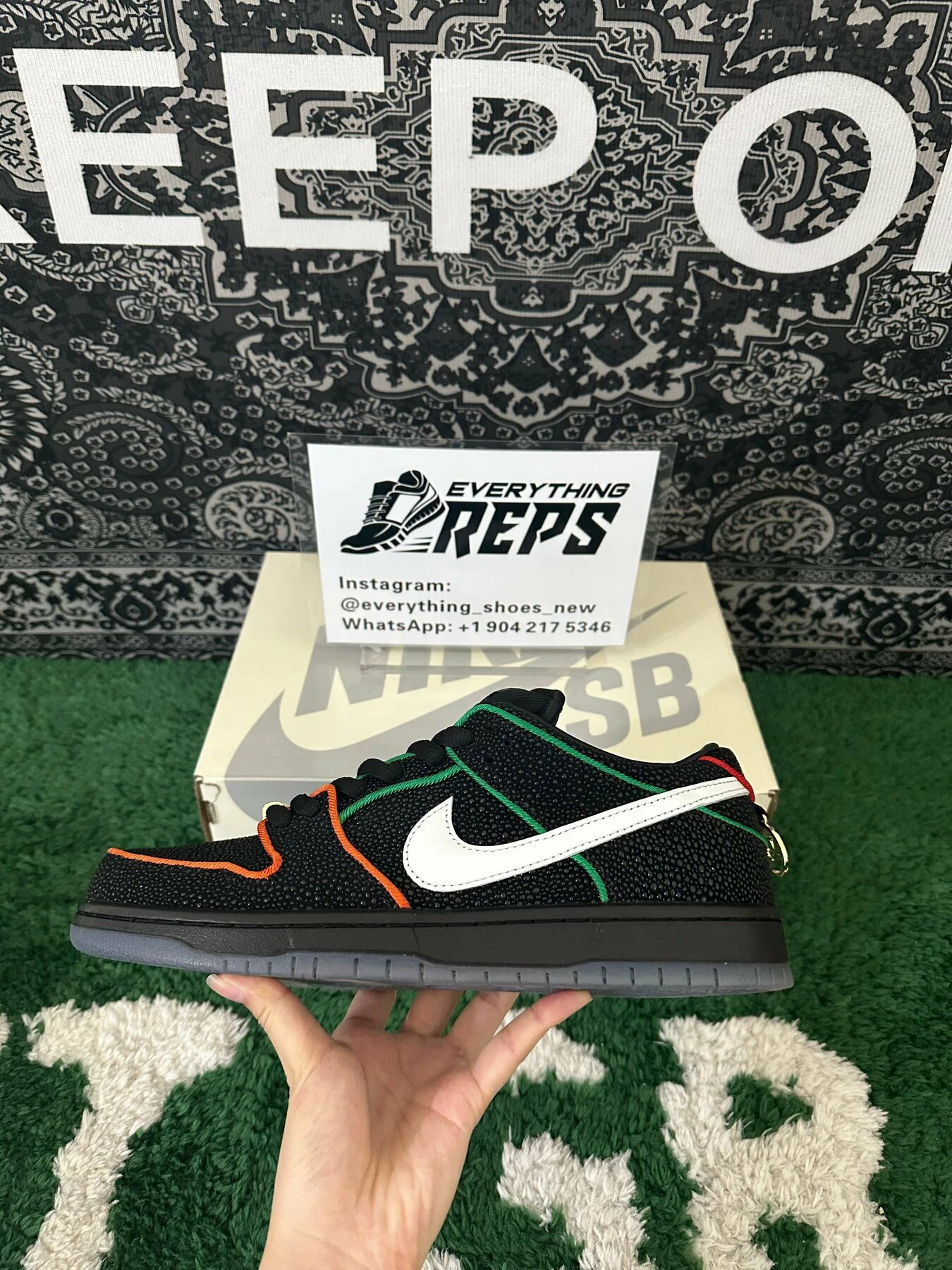
Returns data answers do nike dunks run like air forces faster than any spec sheet does. Pull your exchange records for the last two quarters and count how many Dunk exchanges were for a half size up rather than a refund.
If even a tenth of those exchanges moved upward, your run is probably light in the upper half sizes. Wholesale buyers rarely have clean data before a first order, so bias Dunk depth toward US 9 through US 11 and keep AF1 depth in the sizes your regulars already buy.
Work through this list before the next purchase order goes out:
- Try one AF1 and one Dunk in the same labeled size, on the same foot, with the same sock.
- Press a thumb down at the big toe instead of eyeballing overall length.
- Note midfoot pressure on the Dunk, since that is where wide feet and narrow feet split.
- Test a half size up in the SB version to see how much the padded tongue changes volume.
- Write the result per model and year into a shared fit note your staff can read at the counter.
Try-On and Authentication Checks Before a Bulk Buy
Fit testing and authenticity checks belong in the same conversation, because a counterfeit Dunk frequently runs a full size off. Compare the size tag font, the stitching density around the toe cap, and the box label against a pair you sourced through a verifiable channel.
When a deal looks unusually cheap, treat the sizing as unreliable until a professional authentication service clears the pair. General pattern-matching on photos will not save you from a bad batch of 60 units.
Sample first, then scale. Ordering one pair per size before a bulk commitment costs very little and prevents a warehouse full of shoes nobody can wear.
FAQ
Do Dunks run small compared to Air Force 1?
Yes, relative to the AF1. The Air Force 1 runs about a half size long and wide, while a standard Dunk Low is closer to true to size. Someone who sized down in Forces will usually need their normal size, or a half size up, in a Dunk.
Should I size up in Dunk SB?
Start true to size, then go up a half size if the customer has wide feet or wears thick socks. The padded tongue and thicker sockliner reduce internal volume noticeably, so many buyers end up half a size above their standard Dunk size.
How does Dunk fit compare to Jordan 1?
They are close, with the Dunk usually feeling a touch roomier through the midfoot. Jordan 1 pairs can run slightly narrower at the toe. Neither is a safe substitute for trying the actual model, since materials and year-to-year changes move the fit.
Is Dunk Low true to size for wide feet?
Often not. Wide-footed buyers commonly go up a half size in the Dunk Low and sometimes a full size in the SB. Checking the official size chart and testing a sample pair is the only reliable way to confirm before a bulk order.
Getting Your Next Order Right
If do nike dunks run like air forces is still an open question on your buying sheet, settle it with sample pairs and your own exchange data before the next container. Send us your size breakdown and target models, and we will put together a quote and availability list you can check against your current stock.