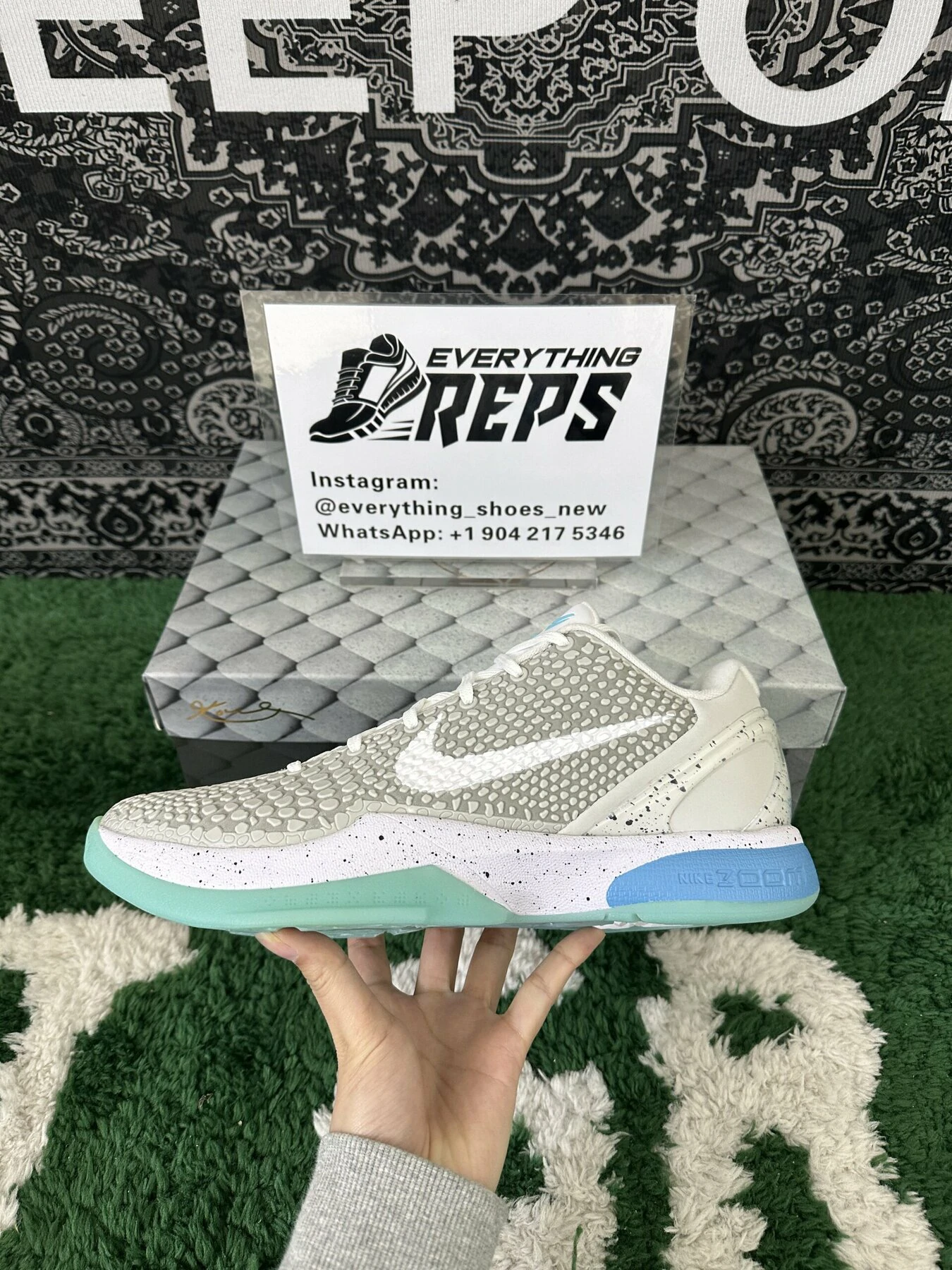
If you are deciding whether the Nike Air Zoom pegasus 39 men's road Running shoes deserve shelf space, the short answer is yes, with conditions. It is a neutral daily trainer that fits a broad range of runners, runs true to size for most men, and sells partly on brand recognition. The conditions are timing and price, since Nike has moved on to later Pegasus models and this one now moves through closeout and secondary channels.
What follows is a buyer's read on the shoe: what it is built for, how the US men's size run behaves, what to inspect at receiving, and how the wholesale math usually works. Specs and price ranges here are general, so confirm details with your supplier before you sign a purchase order.
What the Shoe Is Built For
Pegasus has been Nike's volume neutral trainer for years, and the Nike Air Zoom Pegasus 39 men's road running shoes kept the formula: a React foam midsole with Zoom Air units at the forefoot and heel, an engineered mesh upper, and a rubber outsole with enough coverage for daily pavement miles. Weight sits in the 10-ounce range for a US men's 10, which is normal for a cushioned daily shoe.
That build suits the runner logging 15 to 40 miles a week on roads, the walker who wants a familiar brand, and the customer who replaces shoes on habit every six to nine months. It is not a stability shoe and not a racing flat. Send overpronators to a support model and send racers to something lighter.
How the Men's Size Run Behaves
Most buyers of the Nike Air Zoom Pegasus 39 men's road running shoes take their usual US size. The midfoot is medium rather than snug, the toe box is a touch roomier than the earlier 38, and the upper holds its shape instead of stretching out after break-in. For a customer stuck between sizes, going up a half is the safer call, especially with thicker training socks.
Width is where stores get caught. Wide and extra-wide options shift by colorway and by market, so read the purchase order line by line before you advertise a wide fit. If your size run is standard width only, say so on the shelf tag. A returned pair costs more than a missed add-on sale.
Inbound Checks Before the Pairs Hit the Wall
Resale and closeout volume means mixed provenance, so build inspection into receiving instead of trusting the invoice. Ten minutes per carton saves a week of arguments.
- Match the style code and color code on the box label to the tag inside the collar.
- Check the paint line on the midsole and the seam where the upper meets the foam for loose glue or gaps.
- Press the forefoot and heel where the Zoom Air units sit. You should feel a firm pocket, not a dead slab.
- Flex the shoe at the ball of the foot. It should bend where a foot bends, without cracking at the flex grooves.
- Weigh one pair against another from the same carton. A wide variance usually points to mixed batches.
- Look at size label print, heel counter stitching, and insole graphics. Fuzzy print and uneven stitching are the usual flags.
Any pair that fails two or more of those checks goes back to the supplier before it goes on display. On a large lot you are unsure about, pay for a professional authentication check. It costs less than a chargeback and a dent in your store's reputation.
Wholesale Channels, Minimums, and Margin
New stock is largely gone from primary wholesale programs, so most independents buy through closeout wholesalers, liquidation lots, or pallet resellers. Bulk orders of the Nike Air Zoom Pegasus 39 men's road running shoes usually ship as full size runs or solid colorways, and it is worth asking for a size-by-size breakdown before you commit. Minimums range from a single run with a closeout wholesaler up to a full pallet with a liquidator.
| Channel | Typical minimum | What to watch | Best fit for |
|---|---|---|---|
| Closeout wholesaler | A single size run or a few dozen pairs | Broken runs, missing box lids | Independent stores testing demand |
| Liquidation lot | Several cartons, mixed styles | Condition variance, no size control | Sellers with an outlet channel |
| Pallet reseller | One full pallet | Manifest accuracy, freight cost | High-volume online sellers |
| Authorized distributor | Account minimums and approved retail terms | Current models only, price rules | Stores that need full-price stock |
Treat those patterns as starting points only, since terms change with every lot and every supplier. Get size runs, style codes, and condition notes in writing, then start with a trial order before you scale.
Margin depends on your cost, not on the original retail price. A pair bought 40 to 55 percent below original retail leaves room for roughly 30 to 45 percent gross margin at a competitive shelf price. Freight, duties, and returns can erase that on low-volume buys, so check duty rates and clearance rules with a customs broker rather than a blog post.
Setting a Size Curve That Sells Through
Running stores live and die on the middle of the run. In the US men's market, sizes 9 through 11 carry most of the volume, with 10 and 10.5 turning fastest. Order deeper there and treat 7 and 13 as special-order depth rather than shelf stock.
Pairs of the Nike Air Zoom Pegasus 39 men's road running shoes that sit past eight weeks need action before the next shipment lands. Keep one core colorway at full price and let louder colorways do the promotional work. If a color stalls, mark it down early instead of hoping the season fixes it.
Pegasus 39 or a Newer Model?
The natural question is where to put the open-to-buy dollars. The 39 gives you a lower cost basis and a ride that customers already recognize, which works well for price-sensitive shoppers and for anyone replacing a worn-out pair.
Newer Pegasus versions bring current-season appeal, full-price selling, and support from an authorized account. Many stores run both: the newest model at full price on the front wall, the 39 as an entry price point one step behind it. Keep them clearly separated so they do not compete for the same customer.
Questions Buyers Ask
Does the Pegasus 39 run true to size?
For most men, yes. A shopper who wears a US 10 in other Nike running shoes usually takes a US 10 here. Two exceptions come up often: runners between sizes should go up a half, and anyone with a wide forefoot should confirm width availability first. Always check the current Nike size chart against a measured foot length.
Is it a good shoe for wide feet?
Not in standard width. The midfoot and toe box are moderate, closer to medium than generous, so wider feet usually feel pressure along the outer edge. Wide sizes exist in some colorways and markets, but availability is inconsistent on an older model. Measure the foot, and offer an alternative when the width is not there.
Can I still source it wholesale now?
Yes, though rarely through primary brand programs. Closeout wholesalers, liquidation sellers, and pallet resellers are the common routes, and stock rotates fast. Ask for style codes, a size breakdown, and box condition before you pay, then start small. Minimums and pricing vary widely, so confirm everything with the supplier in writing.
How many pairs should a small store carry?
A cautious first buy is one to two pairs per size from US 8 through 12, weighted toward 9 to 11, which lands around 8 to 12 pairs per colorway. That covers common requests without tying up cash. Restock only after you see sell-through, and keep slow sizes available by special order.
If you are pricing a lot for the coming season, put your target size run, colorways, and quantity in one message and ask for style codes plus landed cost before anything else. A supplier who answers that request quickly is usually the one worth a second order.