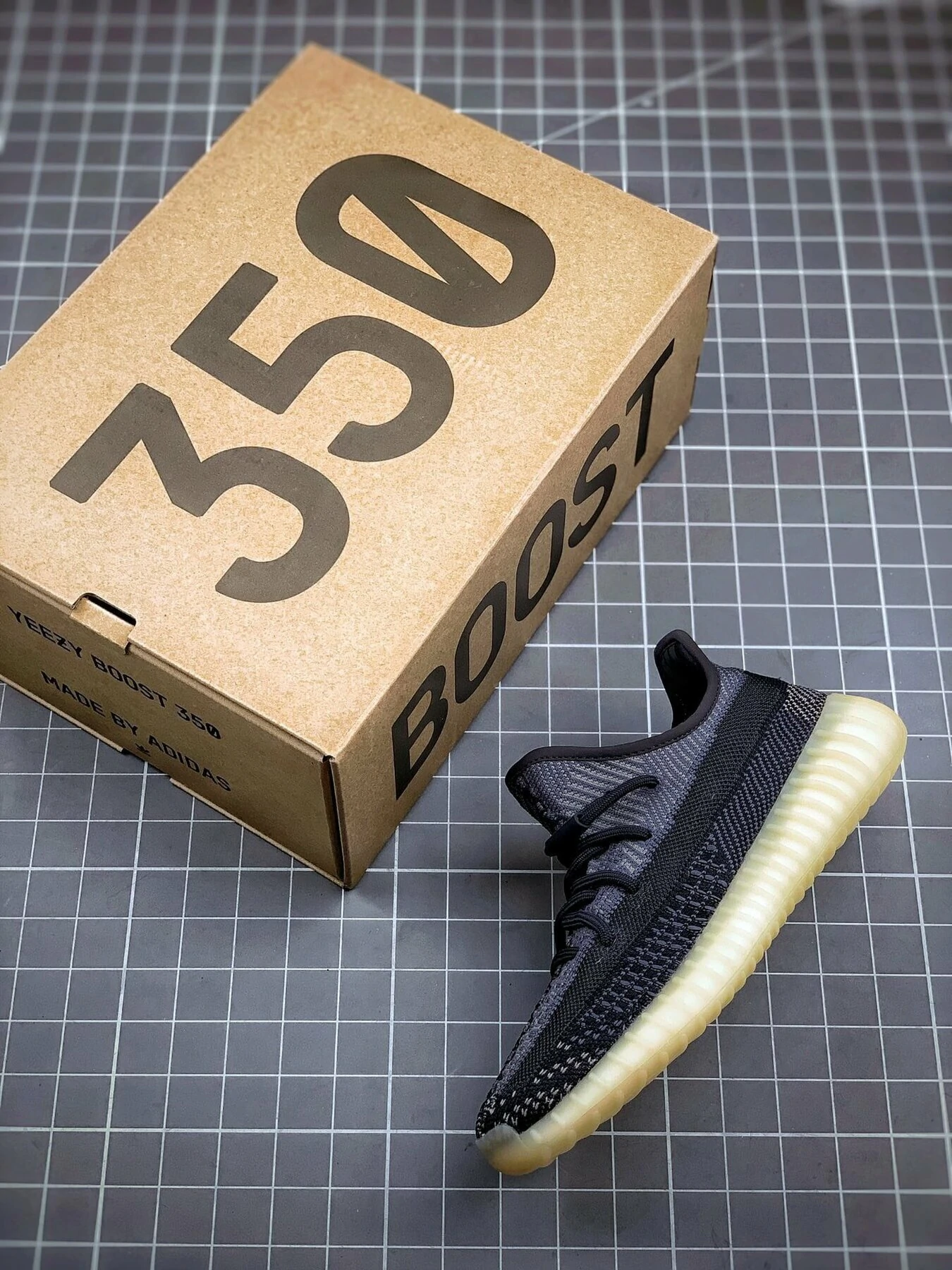
The kids' toddler adidas originals superstar 360 slip-on casual shoes are the laceless, pull-on take on the shell-toe classic, built for kids who are steady on their feet but not yet tying laces. Pairs sit in toddler sizing, most commonly US 4K to 10K, and the elastic gore panels do the job laces would normally do. That one design choice shapes the fit, the return rate, and how the style moves on a small shop floor. Below is a practical read on sizing, Materials, supplier checks, and the reorder signals worth tracking.
What This Slip-On Actually Is
Pull a pair of the kids' toddler adidas originals superstar 360 slip-on casual shoes out of the box and the first thing you notice is how little hardware there is. No laces, no straps, just a wide opening with stretch gore on both sides and a pull tab at the heel. The rubber shell toe is still there, which is the whole point for parents who want the Superstar look without a daily lace fight.
Treat it as a lifestyle shoe, not a performance sneaker. The upper is a textile and synthetic mix that varies by colorway and season, and the sole is a standard cupsole. Adidas Originals positions the line as casual, so don't merchandise it next to running product. Ask your supplier for the current spec sheet before you print anything on a shelf tag.
Toddler Sizing and Fit: Where Returns Come From
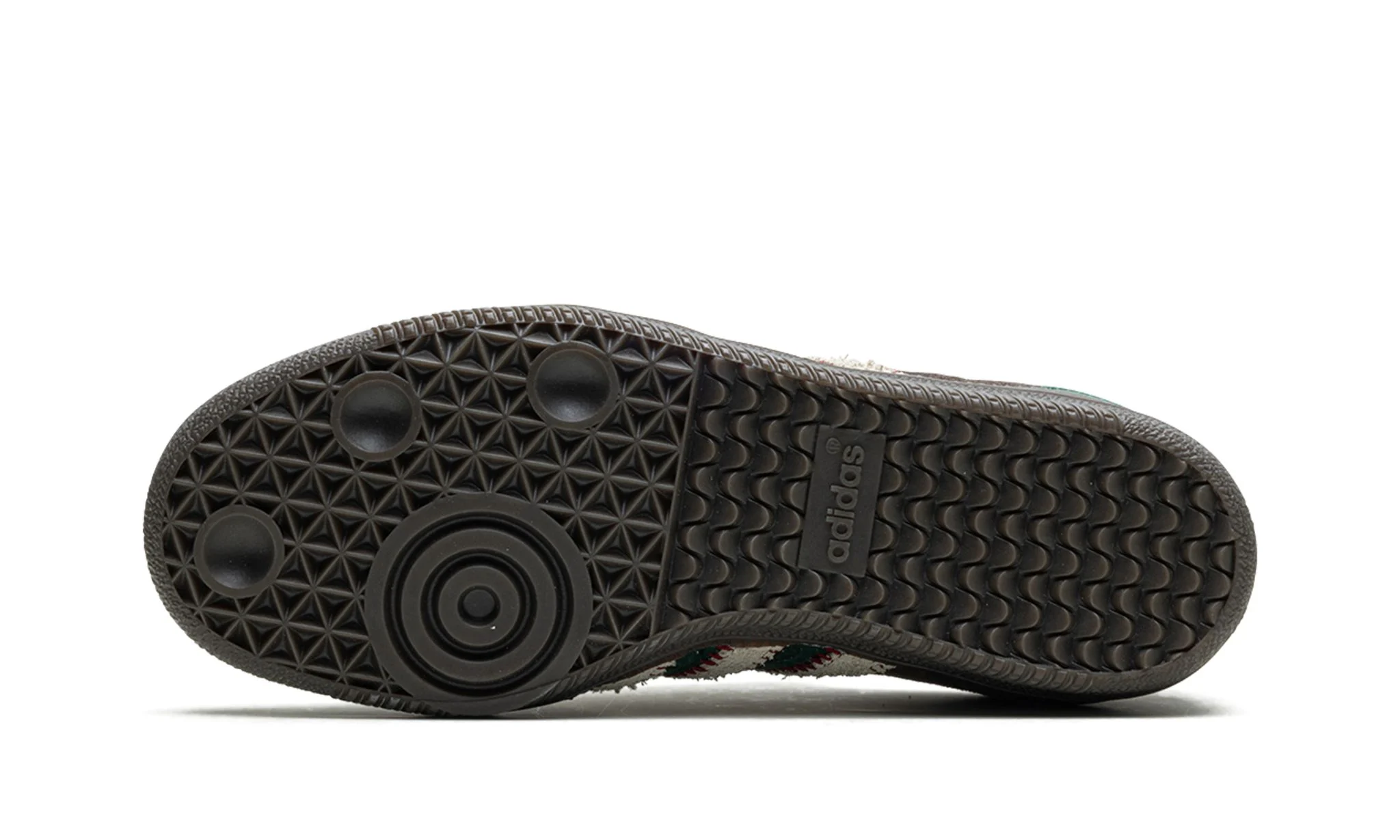
Most returns on the kids' toddler adidas originals superstar 360 slip-on casual shoes trace back to one habit: buying by age instead of by measurement. A two-year-old tag means very little when feet differ by a full size within the same birthday month. Parents also tend to buy the size the child is about to grow into, then return it when the shoe slips off in week one.
The opening is the real constraint. A kid with a high instep or a thick foot can fight the gore even when the length is right. Width is usually fine through the toe because the shell cap holds a rounded, fairly generous shape. Ask parents to measure both feet, add growing room, and check that the heel stays put during a short walk.
- Measure both feet while standing, late in the day, in inches or centimeters.
- Add roughly 0.5 inch of clearance at the toe, and confirm it against the brand's official size chart.
- Make sure the child can enter the shoe without forcing the gore panel.
- Test heel slip on carpet before tags come off.
- Post the official size chart at the counter and on every product page.
Materials and Build: What Survives a Toddler
Scuffs show up fast on the shell toe, but the rubber cap hides them better than a plain leather toe would. That matters for shops that accept returns on lightly worn pairs. Textile panels clean up with a soft brush and mild soap, and the cupsole holds its shape through the dragging toddlers do.
The elastic gore is the part to watch. It stretches with every wear, and on poorly built pairs it can go slack within a season. Pull a sample open and closed twenty times before you commit to a bulk order, then check whether the gore snaps back. Insoles on toddler pairs are usually thin and glued in, so never promise removable insoles to customers.
How It Compares to Other Toddler Adidas Styles
Store owners ask constantly whether to stock this slip-on or the laced Superstar. The answer usually depends on the age band you serve, not on the shoe itself. Younger toddlers and preschool kids favor the slip-on; older kids who want to match a parent's pair often want laces.
| Style | Closure | Fit note | Best for | Reorder signal |
|---|---|---|---|---|
| Superstar 360 slip-on (this model) | Elastic gore, no laces | Snug entry, roomy toe | Roughly ages 1 to 4 | Fast sell-through in 5K to 8K |
| Laced Superstar, toddler | Laces | Adjustable across the instep | Older toddlers, school prep | Steady, size-led demand |
| Gazelle, toddler | Laces, suede upper | Narrower profile | Fashion-led buyers | Colorway driven |
| Advantage, toddler | Laces or hook-and-loop | Value positioning | Price-sensitive parents | Volume with thin margin |
Specs shift by season and region, so confirm materials and closure type with your supplier before you build a plan around any single row.
Wholesale Checks Before You Commit
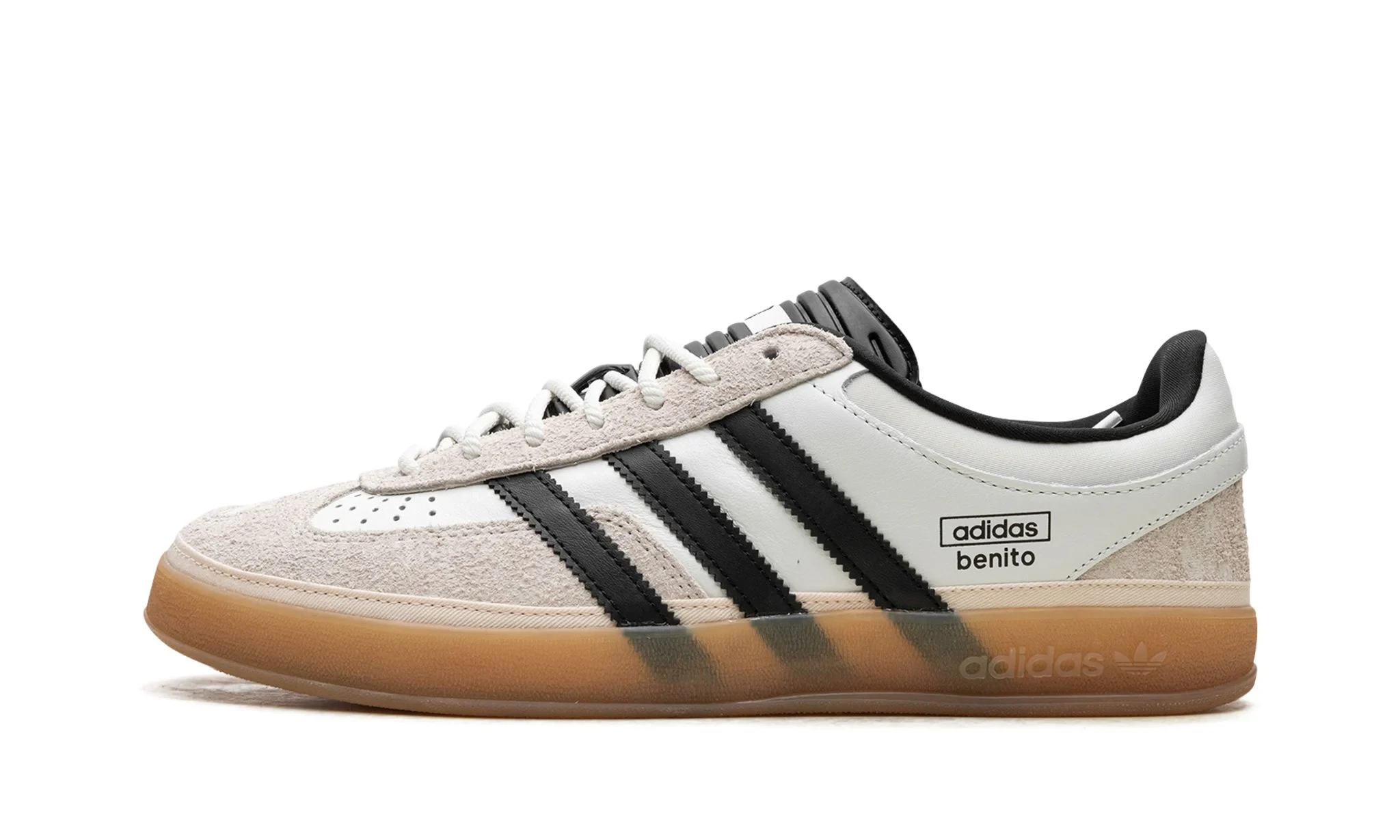
Before you write a purchase order for the kids' toddler adidas originals superstar 360 slip-on casual shoes, get the size run and the colorway code confirmed in writing. Size runs matter more than total units on toddler product, because a broken run leaves you holding sizes nobody asks for. Request the ratio inside the case pack, not just the unit count.
Minimum order quantities vary widely by supplier, so treat any number you hear as a starting point and confirm it in writing. The same goes for freight and import duties: rules change, and a customs broker is the right person to ask, not a blog post. Build your landed cost from a written quote rather than a verbal one.
Margin on toddler footwear is thinner than most shops expect, because the unit price is low while the box takes the same shelf space as an adult pair. Price against your local market and work from current wholesale quotes instead of last season's. If a colorway needs a discount to move, take the markdown early rather than holding it into the next season.
- Request a physical sample pair and test the gore stretch yourself.
- Confirm the full size run and the case pack ratio in writing.
- Get the colorway name and season code printed on the invoice.
- Ask how pairs are packed and whether boxes ship unmarked.
- Verify the defect and return policy before the order ships.
- Check references from other independent shops ahead of a repeat buy.
Shelf Placement and Reorder Signals
Put the slip-on where parents walk in with a toddler in hand, which usually means the front table, not the back wall. Pair it with socks and a matching adult Superstar if you carry one, since the parent-and-child angle sells without a discount. Keep the smallest and largest sizes visible; those are the ones that quietly stall in the stockroom.
Reorder calls on the kids' toddler adidas originals superstar 360 slip-on casual shoes should follow size-level sell-through, not gut feel. Track weekly units by size and flag anything that clears twice as fast as the middle of the run. A run that sells evenly is a candidate for a deeper buy; a run with two dead sizes calls for a smaller, curated buy next season.
Common Questions from Buyers
Do these run true to size?
Generally yes, with the caveat that the pull-on opening feels tighter than a laced pair at first. Most parents find the labeled size works when they measure the foot instead of guessing by age. Check the brand's official size chart and let the measurement decide.
Are they suitable for wide toddler feet?
Usually yes at the toe, less so at the instep. The rounded shell cap gives plenty of room up front, but the gore opening is unforgiving for a high arch or a thick foot. Suggest a laced alternative for those customers rather than forcing the fit.
Can they be machine washed?
Spot cleaning is safer. A soft brush, mild soap, and air drying keep the textile panels and the gore intact. Machine washing can loosen the elastic and break down the adhesive around the cupsole. Tell customers to skip the dryer entirely.
How do I spot a counterfeit pair?
Check stitching density, the texture of the shell toe, heel logo alignment, and the font on the size tag. Counterfeits usually get one of those four wrong. For anything you resell at volume, use a professional authentication service rather than a photo comparison.
Which sizes should I stock first?
Start with the middle of the toddler run, roughly 5K to 8K, and add the ends only after you see real demand. Ask local parents which ages they shop for and match the run to that answer. A narrow opening order beats a wide one that ties up cash.
If you are building a toddler footwear plan for the coming season, request a current quote, a size run sheet, and one sample pair before you commit. Compare two or three suppliers on landed cost and colorway depth, then open with the sizes your customers actually ask for. Send your inquiry and ask for the toddler size breakdown up front.