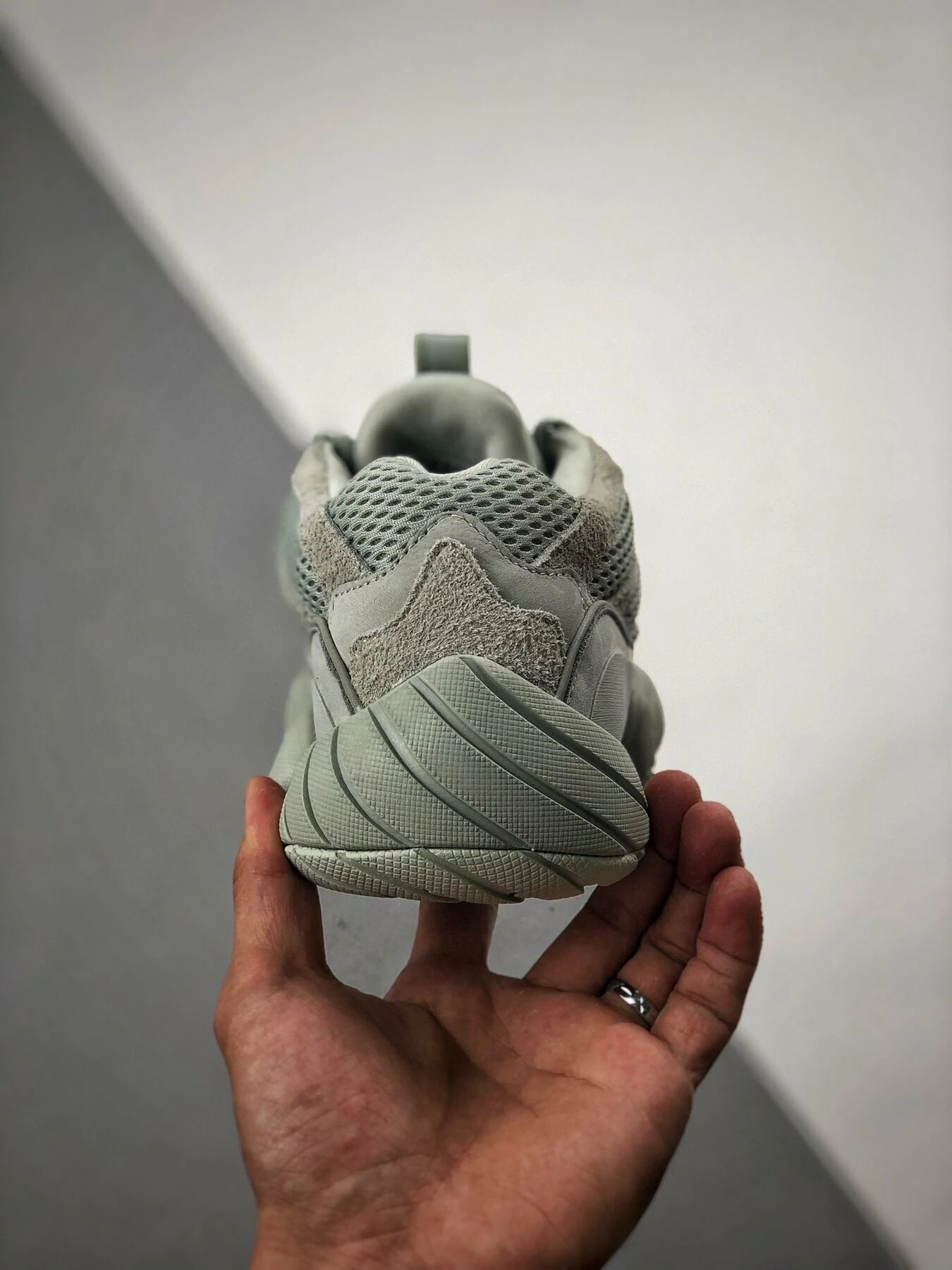
If a product sheet says 32 kids shoe size in us, the label is usually a European size 32 that a supplier has mapped to US children’s sizing. In many kids’ lines, that lands near a US 1Y, but the exact fit varies by brand, last, and width. Treat the conversion as a starting point, not a promise.
This guide covers how to read the label, what to check before ordering, and how to reduce fit Returns when you buy for a store or online shop. It also gives you a quick table and a checklist you can use with a supplier.
What the Label Usually Means
EU 32 is a common transition size in kids’ footwear. It sits between little-kid and big-kid ranges for many brands, which is why the US equivalent can look inconsistent on supplier sheets. A European 32 often maps to US 1Y, sometimes 1.5Y, and less often a 13.5C depending on the maker.
When a vendor writes 32 kids shoe size in us, ask for the brand-specific chart and the foot length in centimeters. Do not accept a single conversion table as proof that every pair will fit the same way. US 1Y is a youth size, not a men’s 1, so keep the age and foot length in view.
Conversion Table for Quick Checks
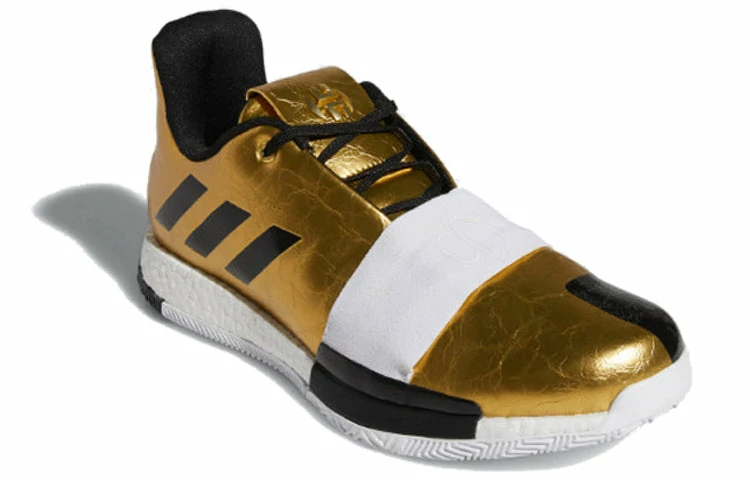
Use the table below as a screening tool. It is not a substitute for the brand’s official size chart, and small differences in mold and material can change the fit.
| EU label | Common US kids starting point | Foot length reference | What to verify |
|---|---|---|---|
| 31 | 13C | About 19.0 to 19.5 cm | Toe room and width |
| 32 | 1Y | About 19.5 to 20.0 cm | Brand chart and insole length |
| 33 | 1.5Y | About 20.0 to 20.5 cm | Sock thickness and closure |
| 34 | 2Y | About 20.5 to 21.0 cm | Pack ratios and return terms |
A 32 kids shoe size in us can look like a US 1Y on paper, but a narrow last may force a half-size up. Match the centimeter length first, then use the US label as a secondary check.
Why the Same Conversion Fails Across Brands
Nike, Jordan, and Adidas do not share one universal kids’ last. A 32 kids shoe size in us on a Nike sheet may feel different from the same label on an Adidas sheet, especially around the instep and toe box. Materials matter too, since a stiff leather upper and a knit upper can fit differently at the same length.
Closure type adds another variable. A velcro strap can make a shoe feel snugger across the top of the foot, while a lace-up may allow more volume adjustment. For a retail order, check the actual model, not just the size row.
A Practical Checklist for Store Owners
Before you approve an order, run this checklist. It helps separate a clean size conversion from a guess that will come back as a return.
- Ask for the brand-specific size chart and the foot length in centimeters.
- Request insole measurements for one sample pair in the target size.
- Compare those numbers with your best-selling kids’ sizes and your return notes.
- Check width, toe box height, closure, and the socks your customers normally wear.
- Order a small test pack before you commit to a broader size run.
- Confirm exchange and return terms in writing, including who pays return freight.
- Record fit notes by SKU so the next buy is faster.
Keep the notes simple: model, size label, insole length, width impression, and the type of fit complaint. That record is more useful than a generic conversion chart when you plan the next season.
Fit Checks Before You Commit Inventory
Use 32 kids shoe size in us as a starting point, then compare the insole to a pair that already sells well. Measure with a ruler or a Brannock device if you have one, and write down the method so your team repeats it. Fit checks are only useful when the measurement process is consistent.
For online sales, publish a clear size chart and ask customers to measure their child’s foot at the end of the day. Leave a little room for growth, but do not oversize so much that the shoe slips. A half-size miss is easier to handle than a full pack of dead stock.
FAQ
Is EU 32 the same as US 1Y?
In many kids’ lines, EU 32 is a common starting point for US 1Y, but it is not a fixed rule. Brands use different lasts, and some map EU 32 closer to 1.5Y or 13.5C. Confirm with the official brand chart and foot length before you buy.
Do kids’ shoes run true to size?
Not consistently. Nike, Jordan, and Adidas kids’ models can vary by last, material, and closure. A slip-on may fit differently from a lace-up. Check the brand chart, measure the insole when possible, and review your own return data before you expand the size run.
How can I check fit without trying the shoes on?
Ask for insole length in centimeters and compare it with a pair that fits your target customer well. Look at width, toe box height, and closure type. A size label alone will not tell you enough, especially across brands. A sample pair is the safest check before a larger order.
Should I stock half sizes around EU 32?
It depends on your customer base and return history. Half sizes can reduce fit complaints, but they also split inventory. Start with the sizes that sell best in your store, then add half sizes only where you see repeated exchanges. Confirm pack ratios and return terms with your supplier.
Planning a kids’ size run around EU 32? Send your target size range, brand mix, and fit notes to your supplier, and ask for a brand-specific chart plus insole measurements before you commit. A short sample order now can save a long return cycle later.