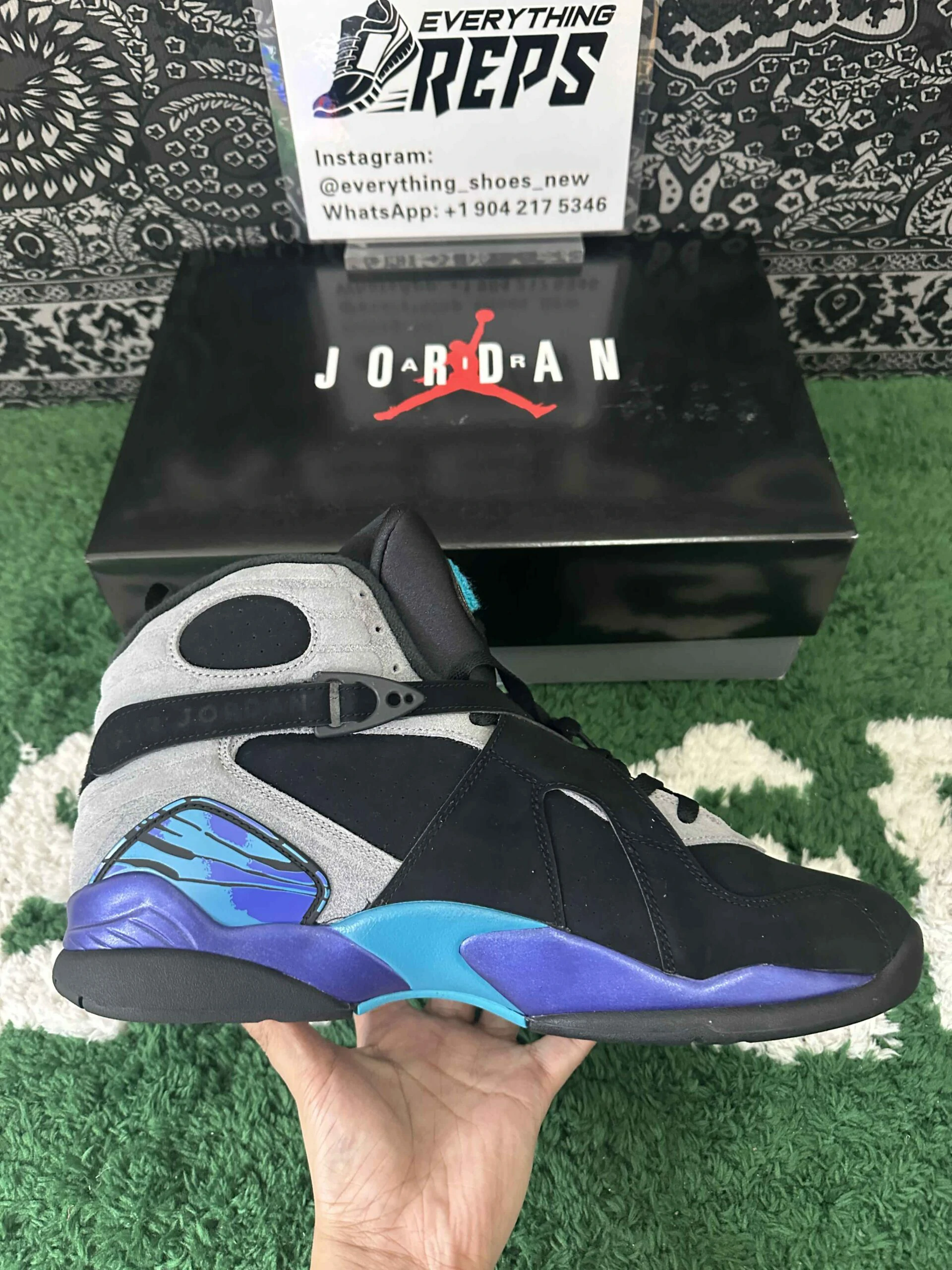
The search phrase black blue Jordan 1 covers more than one SKU. It usually means a black-based Air Jordan 1 with royal, navy, or university blue accents, and the exact release changes the customer, the size run, and the resale story. This guide focuses on what a store owner or online seller should check before buying a run: colorway identity, sizing, material differences, authentication red flags, and supplier questions.
Start With the Colorway, Not the Photo
Buyers often send a screenshot and say they want the black and blue one. That is not enough to place an order. The phrase black blue jordan 1 can point to an OG high with royal blue panels, a mid with navy overlays, or a low with blue stitching and a black upper. Each has a different buyer profile and a different price ceiling.
Ask for the style code, the release year if known, and photos of the size tag, heel, and outsole. A style code removes most of the guesswork. Without it, you are buying a color story, not a specific shoe.
How the Main Black and Blue Families Compare
Use the table below as a starting point for sorting inbound offers. It is not a price list. Treat it as a way to match the shoe in hand with the customer who is most likely to buy it.
| Version | Blue tone to confirm | Typical buyer | Stocking check |
|---|---|---|---|
| High OG style | Royal or university blue panels | Collector and retro buyer | Heel shape, tag, box label |
| Mid style | Navy or royal accents | Casual buyer and first-time Jordan customer | Toe box, materials, size availability |
| Low style | Blue overlays or stitching | Warm-weather and everyday wearer | Outsole wear, laces, insole print |
| Retro high non-OG | Mixed blue shades | Trend buyer who wants a high top | Release details, market saturation |
A black blue jordan 1 high tends to attract a more specific buyer than a mid. That buyer often knows the release and will check the tag before paying. Mids move differently: they serve customers who like the silhouette but do not want to pay OG pricing. Low tops depend on local demand and season, so do not copy a high-top size run into lows.
Materials also matter. Patent leather, tumbled leather, nubuck, and suede change how the shoe wears and how the photos should be shot. A shiny black panel will show creases faster in product photos, while suede can look dusty under bad light. Inspect the actual pair, not just the stock image.
Sizing and Size Run Decisions
Most Air Jordan 1 styles run close to standard Nike sizing, but the fit changes by model and material. A high with thick leather may feel snug at first, while a low with softer panels can feel roomier. Do not promise true to size as a blanket rule. Tell customers to check the official size chart and their own Nike size.
For a black blue jordan 1 size run, start with US men's 8 to 11 if your sales history supports it. Add smaller and larger sizes only when you have requests or a proven local pattern. Women's sizes convert by about 1.5 sizes down from men's, so a men's 7 is close to a women's 8.5. Confirm the conversion on the official chart before you publish it.
Use this checklist before you approve a size run:
- Compare the offer to your last 90 days of sales by size, not to a competitor's listing.
- Keep high tops and mids in separate size plans because they sell to different customers.
- Check whether the supplier can fill the middle sizes first and backfill extremes later.
- Ask for actual measurements on the insole if the pair is used or the listing is unclear.
- Reserve a small budget for professional authentication on high-value Pairs.
A size run that looks balanced on paper can still fail if the colorway is weak. Review the style code and the local demand before you commit. If you are buying for two Stores, split the run by store profile rather than duplicating the same mix.
Authentication Checks That Save Margin
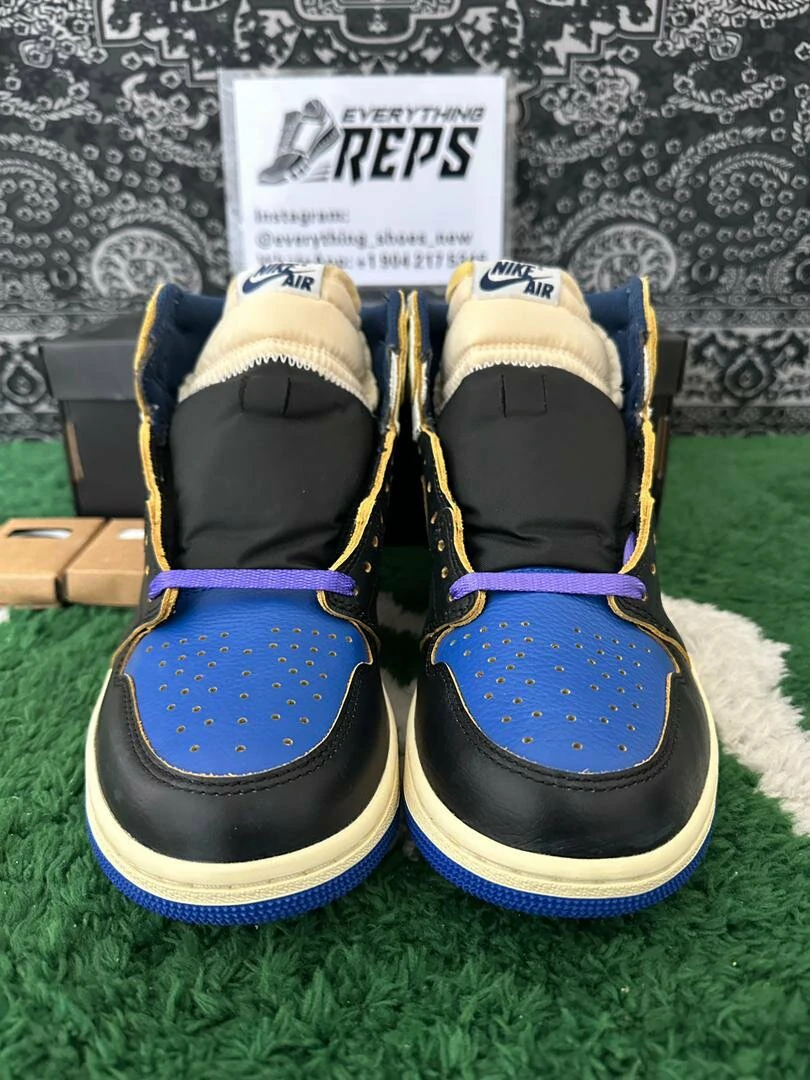
Counterfeit Jordan 1s are common enough that every high-value buy needs a process. Start with the size tag, the heel logo, the tongue tag, and the stitching around the swoosh. Look for consistent spacing, clean edges, and the correct font. A single perfect photo does not prove authenticity, and a single flaw does not always prove a fake.
For any black blue jordan 1 listing, request photos of the box label, the insole print, the outsole, and the heel. Compare the style code across the tag, box, and listing. If the seller cannot provide those images, walk away. On expensive pairs, pay for a professional authentication service before you list the shoe as authentic.
Keep a simple intake record for every pair: supplier, date, style code, size, cost, photos, and authentication result. That record protects you when a customer dispute occurs. It also helps you spot a supplier who repeatedly sends the wrong blue tone or the wrong model.
Supplier Questions for B2B Buyers
Price alone is a poor filter. Ask how the supplier sources the pairs, whether they can provide consistent size runs, what the minimum order quantity is, and what their return policy is for authentication failures. A supplier who answers slowly before the sale will usually answer slowly after it.
Request a current availability sheet with style codes, sizes, and condition. Confirm whether the pairs are new, new with defects, or used. Ask for the packaging status and whether boxes match the shoes. If the supplier quotes a black blue jordan 1 lot, ask for recent photos of the actual lot, not a catalog image.
Shipping and duties are separate from unit cost in most wholesale quotes. Common practice is to ask for an itemized quote that separates goods, freight, insurance, and any handling fees. For customs and tariff treatment, confirm with a licensed customs broker. Do not rely on a supplier's verbal summary for import compliance.
FAQ
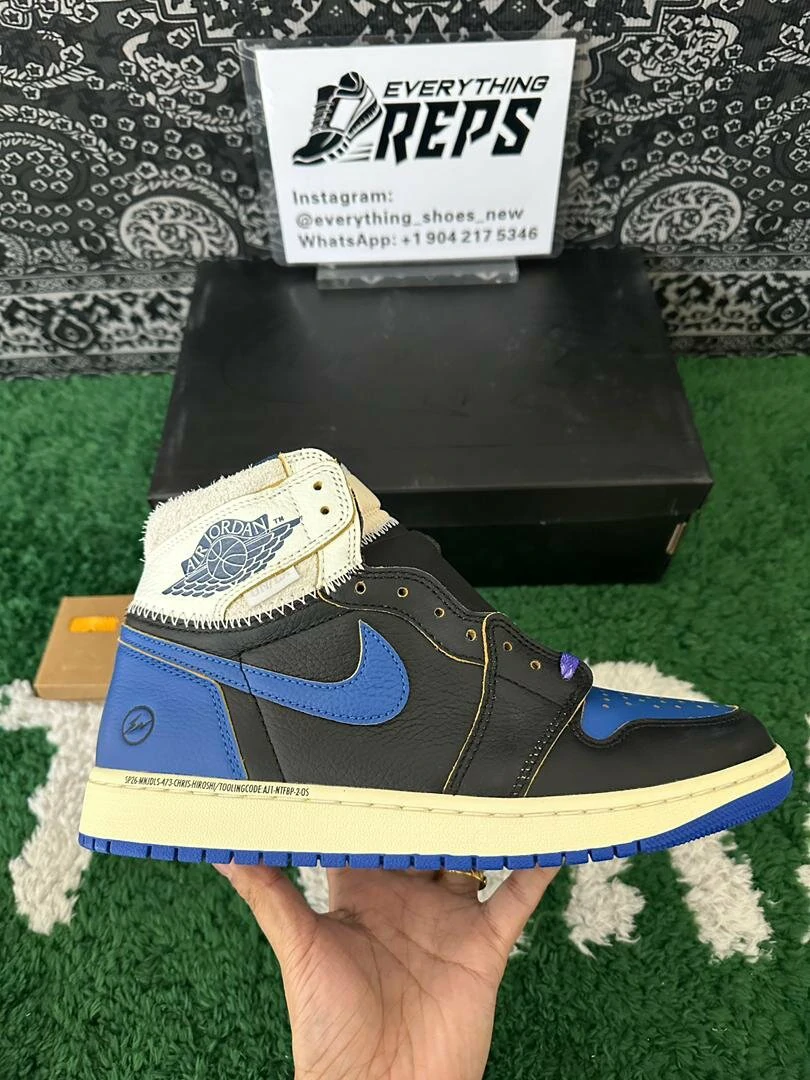
Is black blue jordan 1 true to size?
Most Jordan 1 highs and mids fit close to standard Nike sizing, but leather thickness and model change the feel. Ask customers for their usual Nike size and check the official chart. Wide-footed buyers may prefer a half size up in stiff leather. Do not treat one model's fit as a rule for every pair.
Which blue shade sells best?
Royal blue and navy are the safest starting points because they match the original black and blue look many customers recognize. University blue and lighter shades can be stronger in spring and summer. Your local sales history matters more than a national trend. Test a small run before committing to a deep buy.
Are mids easier to stock than highs?
Mids usually have a lower entry price and appeal to casual buyers, so they can move faster in some stores. Highs attract collectors and buyers who check release details. The tradeoff is margin and sell-through speed. Stock both only if your customers ask for both, and keep separate size plans for each.
How do I verify a supplier?
Ask for the business name, address, and a recent transaction reference if available. Request actual photos, style codes, and a written return policy for authentication failures. Start with a small trial order and pay through a method with buyer protection. A supplier who avoids clear answers is not worth a large first order.
Ready to build a run that matches your customers? Send your target colorway, size range, and condition requirements to your supplier, ask for actual photos and a style-code list, and confirm the return terms before you pay. A short trial order will tell you more than a long catalog.