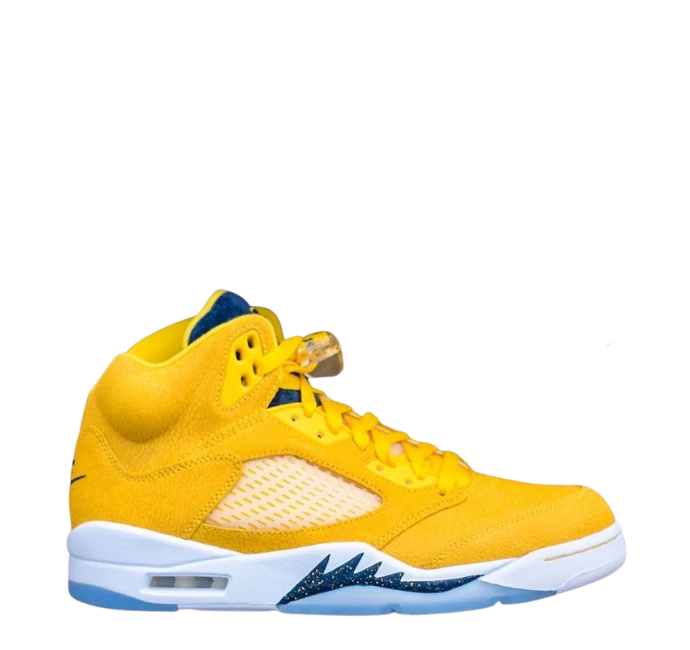
The Jordan 4 Retro Cavs is a black-based colorway of the Air Jordan 4 that borrows orange and blue accents from Cleveland's team palette. For a shop, it lands in a useful middle ground: recognizable enough to move off the shelf, not so loud that it scares off conservative buyers. What follows covers the details that actually affect a purchase order, including fit, Materials, authentication points, and the questions worth asking a supplier Before you commit.
Buyers searching this model usually fall into two groups. One is stores restocking a proven retro silhouette, the other is online sellers hunting a colorway that photographs well on a listing page. Both need the same three answers before wiring money: what the shoe is, how it fits, and what a legitimate pair looks like in hand.
What the Cavs Colorway Actually Is
Cavs is a nickname, not an official collaboration with the Cleveland franchise. The shoe pairs a dark upper with orange and blue detailing, and that contrast is what separates it from a plain black-and-white Retro 4 on a display wall.
The distinction matters for retail copy. Don't let staff describe it as a Cavaliers release in signage or product descriptions. Call it the Cavs colorway, mention the team-inspired palette, and stop there. Collectors already know the nickname, and everyone else just wants a wearable black Jordan 4.
Material mixes have shifted across production runs of the Air Jordan 4, so confirm the upper spec for the specific batch you're offered. Nubuck, suede, and synthetic panels all show up on Retro 4 builds, and each one changes how the shoe creases and how it survives a summer in a store window.
Sizing and Fit: What Your Staff Should Say
Cushioning on the Retro 4 hasn't moved much from the original formula: encapsulated Air in the heel, a firm midsole, and a padded collar that sits snug around the ankle. Most buyers who wear a standard width go true to size in the Jordan 4 Retro Cavs, though wide-footed customers often need a half size up.
Break-in matters more than people expect. The plastic wings and lace cages press on the midfoot for the first few wears, and the collar softens over roughly a week of regular use. Tell customers that up front instead of letting them return a pair they've decided is defective.
| Attribute | What Buyers Usually Report | What to Verify Before Ordering | Business Impact |
|---|---|---|---|
| Length | True to size for most standard-width feet | Ask whether the run is listed in US men's sizing | Fewer fit-related returns |
| Width | Snug through the midfoot | Confirm half sizes are available in your order | Wide-foot shoppers convert or walk |
| Ankle collar | Stiff out of the box | Check whether pairs were tried on or displayed | Returns on "too tight" complaints |
| Upper material | Varies by production run | Request close-up photos of the actual batch | Creasing and shelf wear |
Ask for the size breakdown early and in writing. A supplier who can't confirm which sizes are in Stock, or who swaps the breakdown after you've paid, will cost you sales during a launch week.
Authentication Checks That Catch Most Fakes
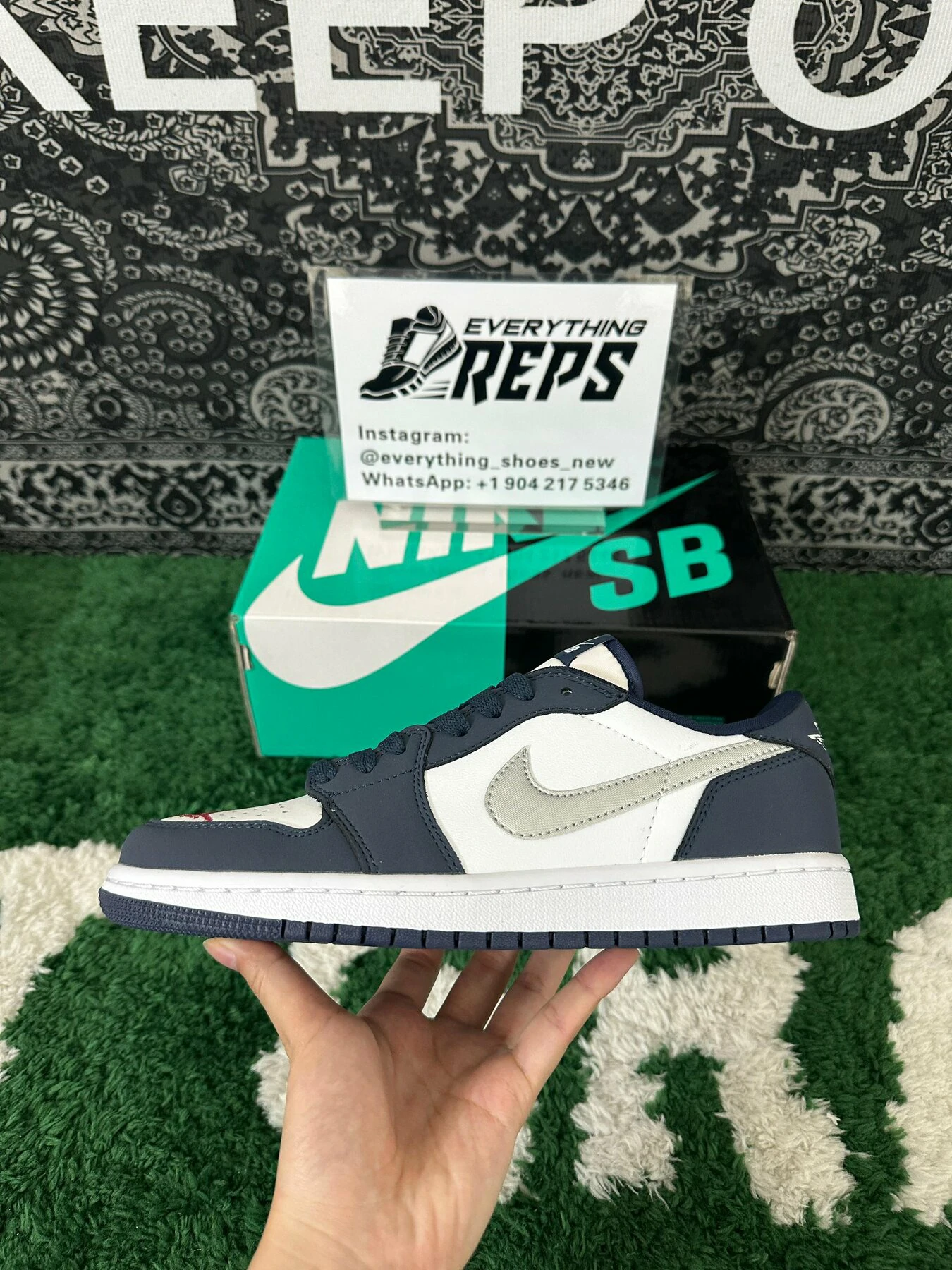
Replica factories have gotten good at the Jordan 4 Retro Cavs, and some pairs pass a casual glance. Treat authentication as a process rather than a single look. Start with the tongue label: stitching density, font weight, and where the size and production codes sit. On authentic pairs the label lies flat and the text stays legible under a phone light.
Next, examine midsole paint and netting. Paint lines on a real pair follow the molding edges, while fakes tend to overshoot or stop short. Netting panels should feel firm and consistent, not soft or uneven in spacing.
- Compare wings and heel tab geometry against official product images, not resale listings.
- Match the box label, style code, and shoe label to each other.
- Weigh the pair against a known-authentic reference; a large gap is a red flag.
- Smell the glue line, since a strong solvent odor on a "new" pair warrants a second look.
- Send anything above your comfort level to a professional authentication service.
No single check settles it. Stack three or four together and the picture clears up fast, which is why experienced buyers keep one known-authentic pair in the back room as a reference.
Sourcing, Margins, and Supplier Questions
Purchase price for the Jordan 4 Retro Cavs depends on size run, condition, packaging, and volume, so treat any quoted figure as a starting point rather than a market rate. Independent shops commonly pay somewhere between wholesale and full retail depending on the channel. Confirm current pricing and minimums directly with each supplier before you build a margin model.
Four questions belong in every first conversation. What is the exact size breakdown? Are boxes original and undamaged? What is the return policy on pairs that fail authentication? And can the supplier send dated photos of the inventory rather than stock images?
Import costs are where new buyers get surprised. Duties, brokerage fees, and freight can push landed cost well above the quoted unit price, and rates shift by category and country of origin. Talk to a licensed customs broker before you assume a number. On a small first order, domestic distributors often beat direct imports once risk is priced in.
Building a Buy Plan That Fits Your Store
- Match the size curve to your last 90 days of Jordan 4 sales, not to intuition.
- Order one or two sample pairs and inspect them in hand before a bulk commitment.
- Shoot the samples under your own store lighting for listings and social posts.
- Set a sell-through target and a markdown date before stock arrives.
- Keep written records of supplier terms, including any authentication guarantee.
Depth beats breadth for an independent shop. Three sizes sold out and two sizes gathering dust is a worse outcome than a smaller, balanced run that turns twice a season.
Frequently Asked Questions
Is the Jordan 4 Retro Cavs true to size?
Most buyers take their normal US size. Length runs standard, but the midfoot and collar feel snug, so customers with wide feet usually go up a half size. Have staff ask about width before recommending anything, and point shoppers to the official size chart when they sit between sizes.
Why are full size runs so hard to find?
Full runs are the difficult part, not the shoe itself. Sellers often split runs, so US 9 to 11 disappear first while 7 and 13 linger. Ask each supplier for the breakdown in writing and expect to pay more for complete runs. Two partial runs often work better for a small shop than chasing one full run.
How should I inspect a pair before listing it?
Begin with the tongue and box labels, then compare wings and heel tab shapes to official images. Check midsole paint edges and the firmness of the netting. If something looks off, hold the pair and get a professional opinion. Photograph labels and stitching before the listing goes live so you have a record.
What margin should a shop plan for?
Margins depend on channel, volume, and whether freight and duties are included. Work backward from your target selling price, subtract payment fees, shipping, and a markdown reserve, then see what unit cost still leaves room. Get landed cost in writing from the supplier before committing to a quantity.
Do duties and tariffs apply to imported pairs?
Footwear is a regulated import category in the US, and treatment varies by material, construction, and country of origin. Rates change, so don't rely on a figure from a forum or an old invoice. Confirm the classification and total landed cost with a licensed customs broker before you place an order.
If you're assembling a purchase order and want a second set of eyes on the size breakdown, condition standards, or authentication terms, send over your requirements and target landed cost. A short conversation up front is cheaper than a container full of pairs that don't fit your customer base.