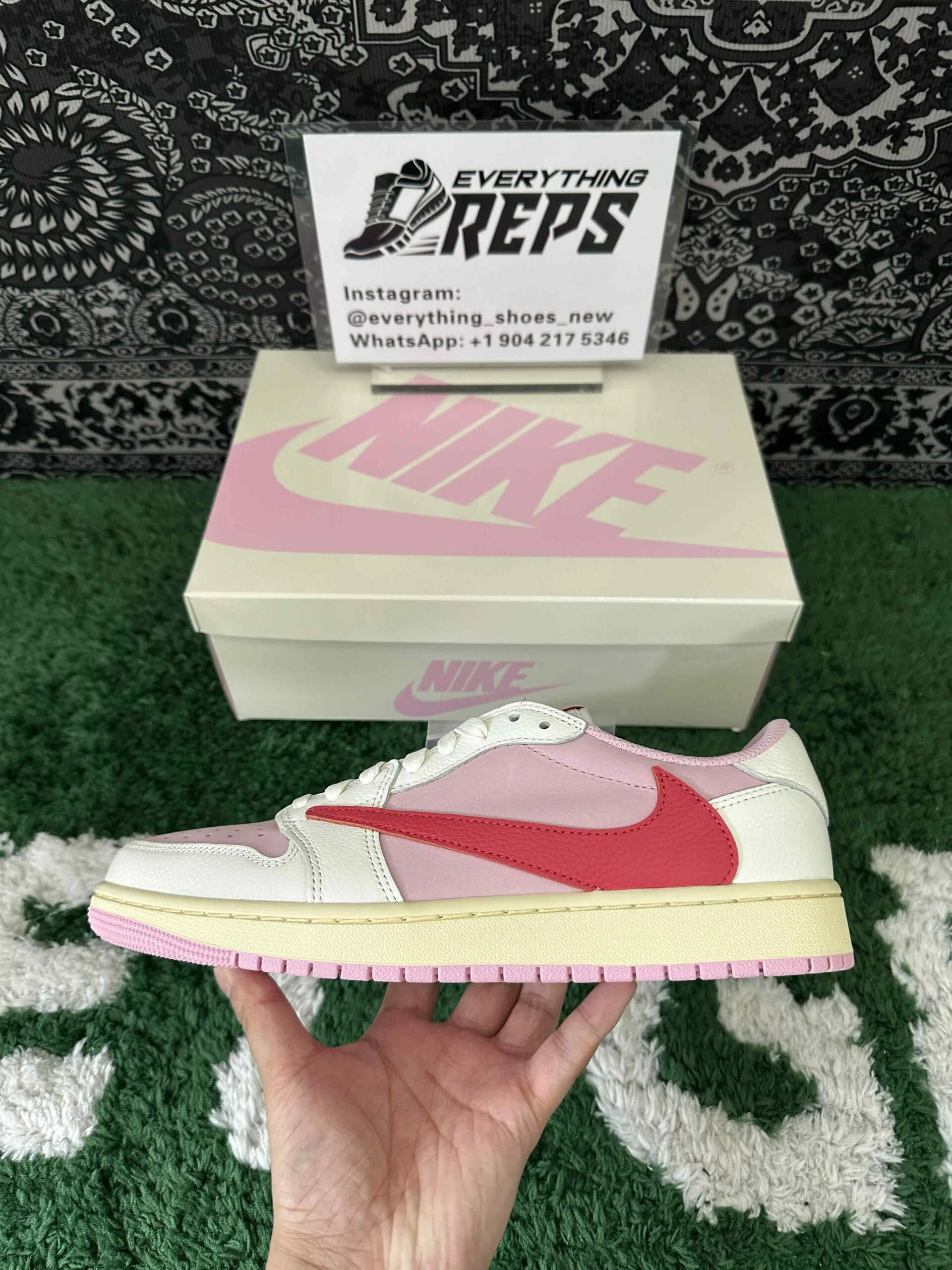
The air Jordan 1 low olive is a colorway family, not one fixed SKU. Before you stock it, confirm the exact style code, the sizing label, and the material mix, because olive low-top Jordan 1 releases can differ by season and sales channel. This guide covers what the shoe is, how it fits, what to photograph, and how US Store owners can protect Margin and returns.
Identify the Exact Release Before You Order
A listing for air jordan 1 low olive can point to a women's pair, a men's pair, or a retro release with different overlays. The color name is useful for search, but it is too broad for a purchase order. Use the style code as your primary filter.
Ask for a clear photo of the size tag and the box label, then match both against the product listing. The style code should appear in both places, and the size label should state the sizing system, such as women's US sizing. If the photos are blurry or cropped, request new ones before you pay a deposit.
Material mix is the second filter. Some olive lows use smooth leather, while others use suede or nubuck on the overlays. The nap, color depth, and creasing behavior affect how the shoe photographs and how customers care for it.
Two pairs with the same color name can still look different under store lighting. Confirm the base color, the olive shade, the Swoosh finish, and the midsole tone. A white midsole and a sail midsole can change the outfit pairing and the customer's perception of value.
Fit and Sizing Risks for US Shoppers
For air jordan 1 low olive pairs, start with the size label, not the size you remember from other Jordan 1 Lows. Women's releases require a conversion if your customer normally buys men's sizes. Publish both the label size and the converted size in your listing to cut down on questions.
Many wearers treat the Jordan 1 Low as true to size, but fit is personal. Wide feet often need a half size up, while narrow feet may prefer their usual size. Use the official brand size chart and your own try-on notes rather than a single online review.
Break-in matters less on a low-top than on a high-top, but the heel and toe box still need room. Olive suede and nubuck can soften with wear, and those materials also show creasing. Tell customers how to protect the shoe before they wear it outside.
Returns are expensive for a small shop. Add a fit note to the product page, such as "runs true to size for most customers, consider a half size up for wide feet." That kind of note is not a guarantee, but it sets expectations and reduces avoidable returns.
Materials, Color Matching, and Photography
Olive is a hard color to photograph well. The same pair can look gray-green in a warehouse photo and warm brown in direct sun. Shoot the shoe in daylight and under indoor light, then compare the images to the physical sample.
Check the nap direction on suede and nubuck panels. Brushing the material one way can make the olive look lighter or darker. If you shoot multiple pairs, keep the light and angle consistent so customers do not think you are selling different shoes.
Color names also vary by retailer and region. Do not copy another store's color description without checking the actual pair. Use simple terms: olive overlay, white base, sail midsole, and matching laces. Accurate descriptions help search and reduce returns.
For online listings, include close-ups of the toe box, Swoosh, heel tab, tongue label, and outsole. Those photos answer material questions and help buyers compare your pair with official images. Keep the background neutral so the olive shade stays readable.
Margin, Assortment, and Sell-Through
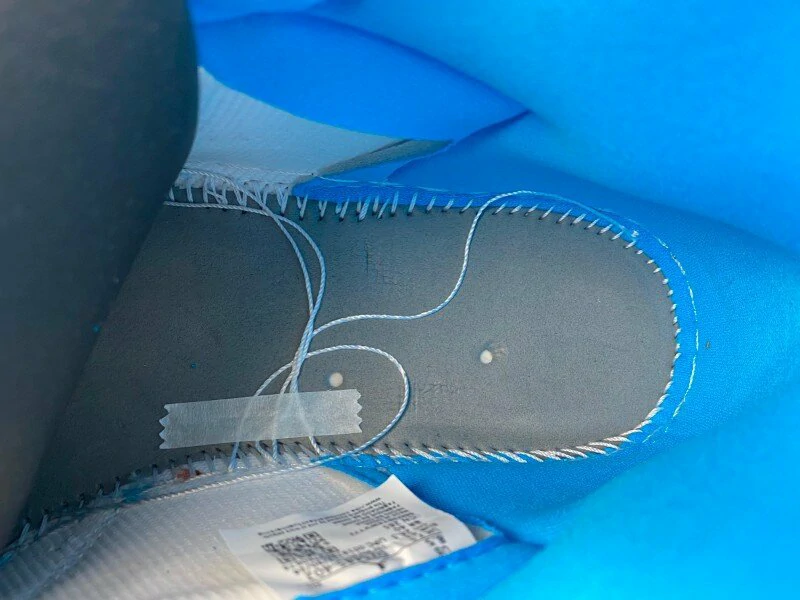
Treat air jordan 1 low olive as a seasonal color, not a core staple. It pairs well with earth tones, denim, and neutral streetwear, but it will not replace black and white lows in every wardrobe. Buy for the customer who already wears olive, brown, or cream.
Your size run matters more than the total unit count. If your customers skew toward men's US 9 to 11, do not let a supplier push a flat size pack that leaves you with odd sizes. Ask for a size breakdown and compare it with your last 90 days of Jordan 1 Low sales.
Use a simple scorecard before you commit to a bulk order. The table below shows the checks that change the buy most often.
| Check | Why It Matters | What to Confirm | Red Flag |
|---|---|---|---|
| Style code | Prevents ordering the wrong release | Tag and box label match | Seller avoids tag photos |
| Sizing label | Changes conversion and return rate | Men's, women's, or unisex US size | Vague sizing claims |
| Material and color | Drives photos, care, and resale value | Leather, suede, nubuck, midsole tone | Stock photos only, no sample |
| Supplier terms | Protects cash flow and margin | Deposit, lead time, returns, landed cost | Pressure to pay off-platform |
Run the scorecard on every batch, not just the first one. Suppliers can change materials, labels, or size runs between orders. A second check takes minutes and can save a season of markdowns.
Markdown risk is highest when you buy a deep size run in a color that only fits one season. Start with a test buy, measure sell-through for two to four weeks, then reorder if the shoe moves. Keep the reorder window realistic; popular sizes can disappear first.
Supplier Verification and Landed Cost
Every air jordan 1 low olive order should start with a sample or clear tag photos from the actual batch. Ask the supplier to show the size tag, box label, stitching, Swoosh shape, and material texture. No single photo proves authenticity, so use a third-party authentication service for high-value orders.
Payment terms deserve as much attention as the shoe. Confirm the deposit, balance date, inspection window, return policy, and who pays for return freight. Get the landed cost in writing, including freight and estimated duties, before you compare it with your planned retail price.
Duties, taxes, and clearance rules vary by shipment and entry type. Treat any quote as an estimate, and ask a licensed customs broker to confirm the details for your business. Do not rely on a supplier's general statement about US import rules.
Use this checklist before you release a deposit:
- Match the style code on the size tag and box label.
- Confirm men's, women's, or unisex sizing and publish the US conversion.
- Compare the olive shade and material nap to the sample or approved photos.
- Get the size breakdown, deposit terms, lead time, and return policy in writing.
- Calculate landed cost with freight and estimated duties before you set retail.
- Plan a test buy and a reorder trigger based on weekly sell-through.
FAQ
Is air jordan 1 low olive true to size?
Many wearers take their usual Jordan 1 Low size, but fit depends on the pair and the foot. Wide feet often prefer a half size up. Check the label first, because women's pairs need a conversion for men's-size shoppers. Use the official size chart and your own try-on notes.
Are all olive low-top Jordan 1 releases the same?
No. The color name covers different seasons, materials, and sizing labels. One pair may use suede overlays, while another uses smooth leather. Confirm the style code, box label, and material photos before you treat two listings as the same product.
How should a store photograph an olive suede sneaker?
Use daylight and indoor light, then shoot close-ups of the toe box, Swoosh, and heel. Keep the angle and background consistent across pairs. Brush the suede in one direction so the nap reads evenly. Show the midsole tone, because white and sail look different online.
What should I ask a supplier before a bulk order?
Ask for the style code, size breakdown, material photos, deposit terms, lead time, inspection window, and return policy. Get landed cost in writing, including freight and estimated duties. For large orders, use a third-party authenticator and a customs broker before you commit.
Does olive sell outside fall?
It can, especially in stores with earth-tone or neutral assortments. Test a small run and track sell-through by size. If the color stalls, pair it in store with cream, denim, and brown outfits to show customers how to wear it.
Ready to price a test run? Send your size breakdown, target retail, and delivery window to your supplier, then request a landed-cost quote with tag photos from the actual batch. A short, documented inquiry keeps the comparison honest and protects your margin.