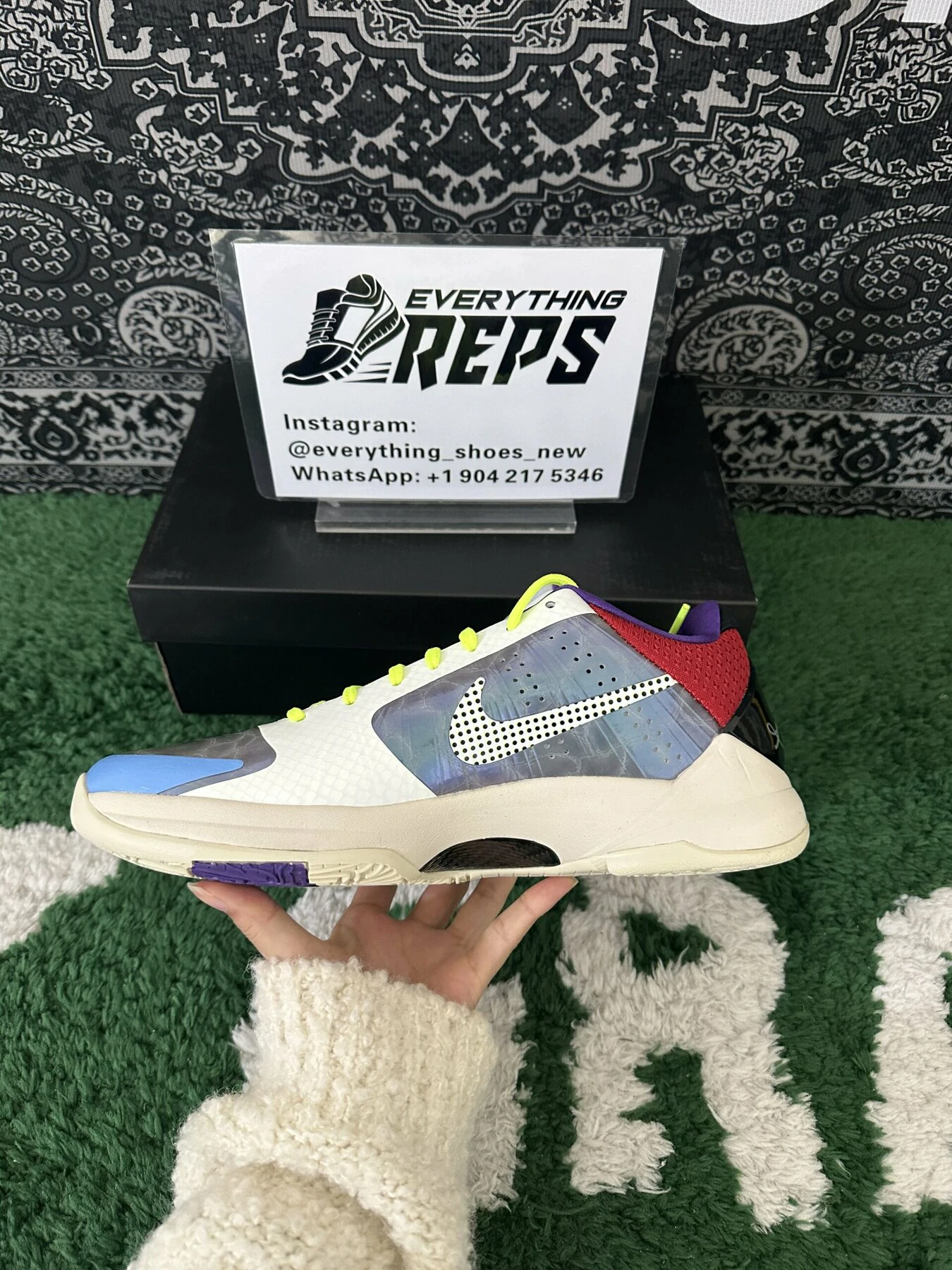
The nike dunk low clot cork takes the Dunk Low silhouette and gives it a cork-textured upper with an earthy, material-first look. It is not a loud graphic shoe. Its appeal comes from the texture, the CLOT name, and the way the pair reads on a display wall. That matters for a store because customers often buy the story as much as the silhouette.
Your target buyer likely already knows Dunks and wants something less common than a black-and-white GR pair. A first-time Dunk buyer may like the look but hesitate over care and outfit matching. Treat those two groups differently in how you merchandise the shoe. Put the material detail and care expectations in the product copy, not only in the title.
Fit, Sizing, and Customer Expectations
Dunk Low sizing is familiar to repeat buyers, and this collaboration generally follows the same silhouette. Do not promise that it runs different without checking the official size chart and your own try-on pairs. Narrow feet often stay true to size, while wide feet may prefer a half size up.
For a shop, carry the sizes your Dunk customers already ask for and avoid spreading a small order across every size. A broken size run creates markdowns and makes the shoe look less desirable on the shelf. If you sell online, publish a clear US size chart and note that fit preference varies.
Returns are part of the sizing conversation. A customer who orders two sizes and keeps one can cost you shipping and processing time. Offer a simple exchange policy, measure the insole if you can, and train staff to ask about sock thickness and preferred fit before checkout.
Cork Texture, Care, and Wear
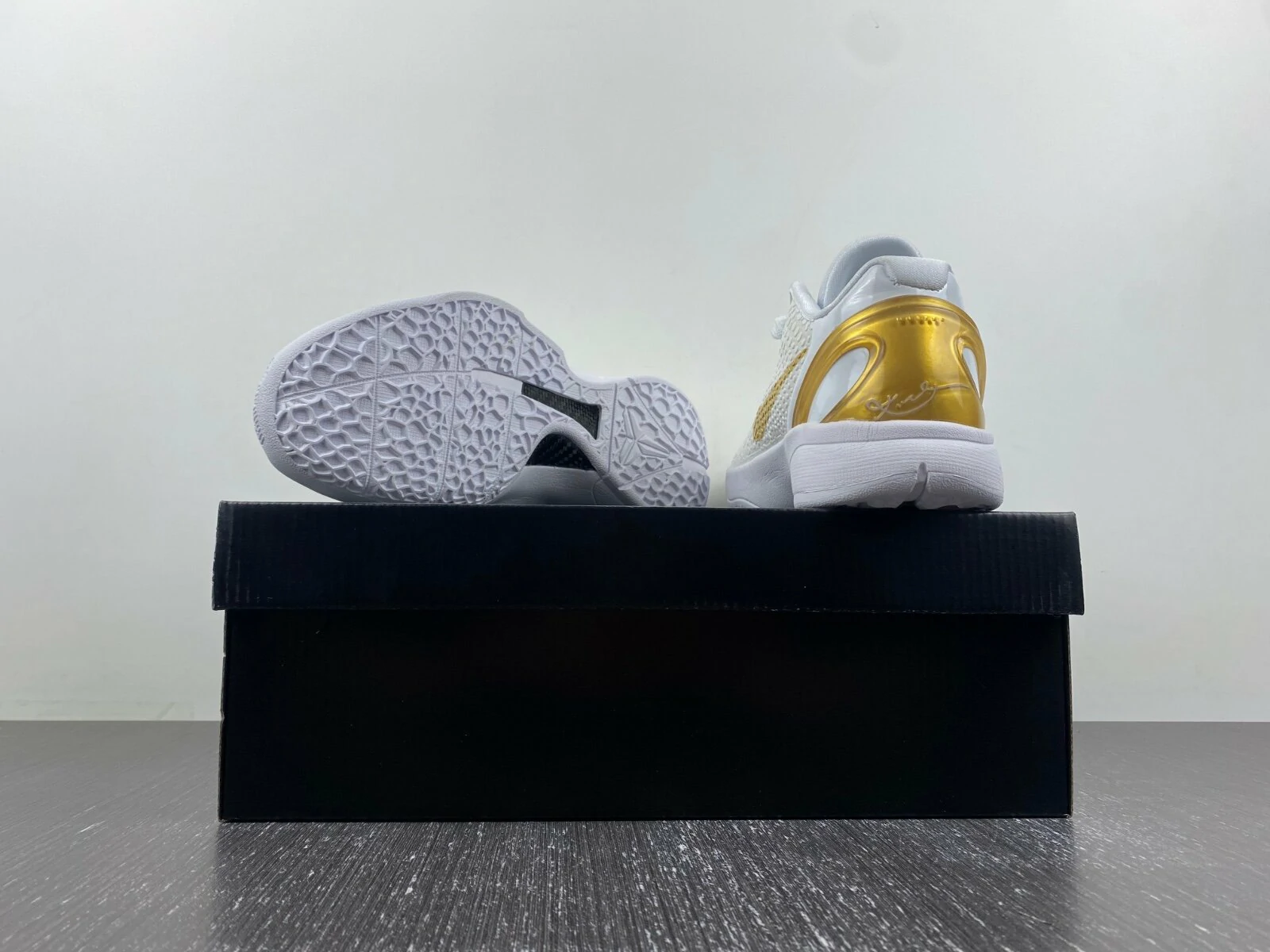
The cork look is the reason to stock the shoe, and it is also the reason to set expectations. Textured panels can show scuffs and dark marks more readily than smooth leather. They may also crease differently. Do not describe the upper as waterproof or easy to wipe clean unless the supplier and official product information support that claim.
Give buyers practical care advice: brush dry dirt off with a soft brush, use a damp cloth sparingly, and avoid soaking the upper. Store pairs away from direct heat. If you sell online, add a short care note to the product page. It reduces complaints and gives your listing a more professional feel.
Inspect pairs under neutral light before they go on display. Check that the cork texture is consistent across left and right shoes, that panels sit flat, and that no adhesive is visible at the edges. Small variations are normal in textured materials. Loose panels or obvious glue strings are not.
Authentication Checks Before You Commit
Authenticity is the biggest risk in any collab Dunk purchase. Start with provenance: invoices, supplier history, and the ability to explain where the pairs came from. A low price with no paperwork is not a bargain. It is inventory you may have to write off.
When checking a pair of the nike dunk low clot cork, compare the size tag, SKU, box label, stitching, and sole tooling against known authentic references. Check the tongue label alignment, the shape of the toe box, and the finish of the cork panels. Use a professional authentication service for high-value runs. Phone photos are not enough for a final call.
Keep a record of every inbound batch. Photograph the box label, size tag, and pair before listing. If a customer disputes authenticity, that file protects you and helps your supplier conversation. Do not mix authenticated and unverified pairs in the same storage bin.
Sourcing, Margin, and Inventory Risk
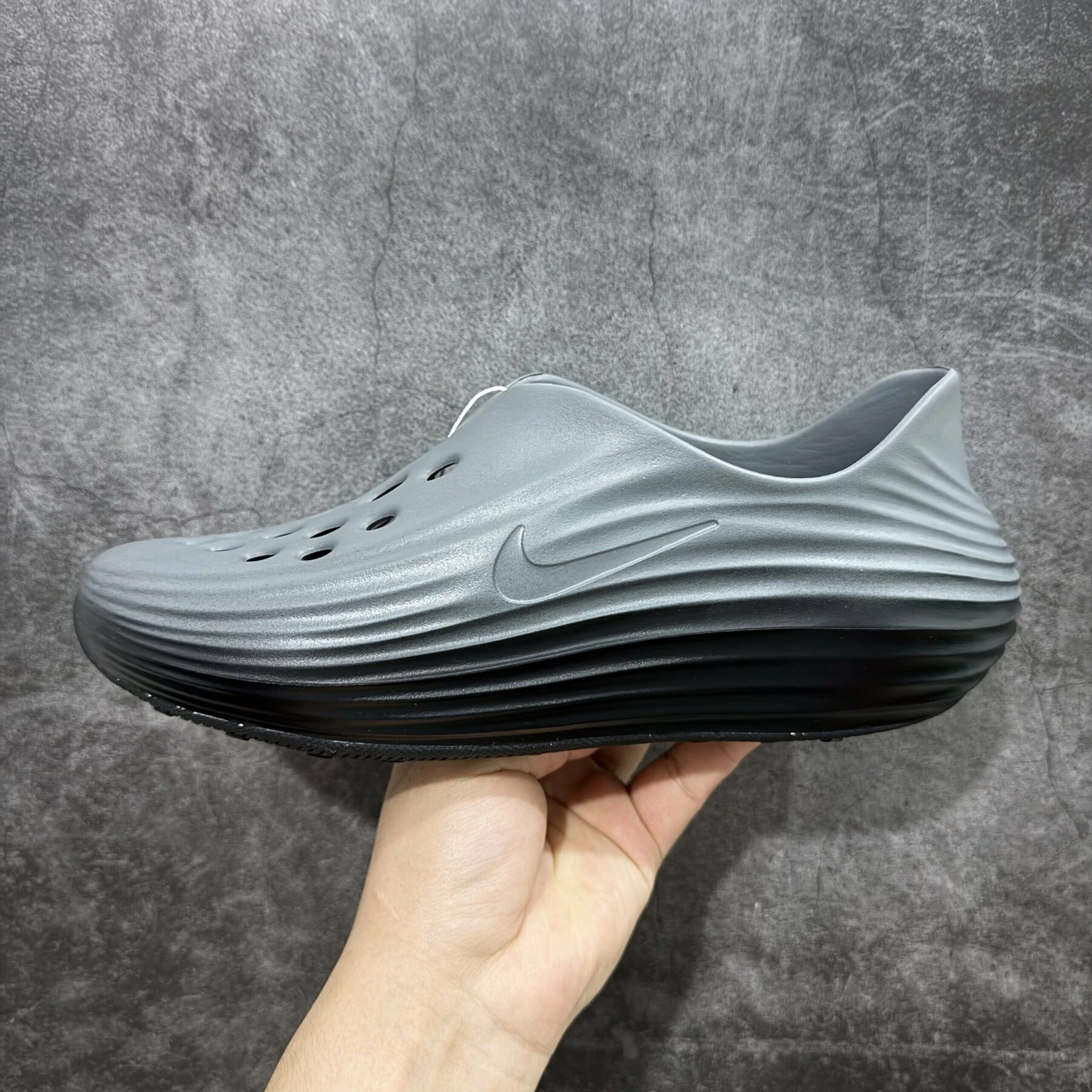
This is a niche collab, not a basic replenishment shoe. That changes the buy plan. A small, curated run can sell through to the right audience, while a deep buy can sit if your local market is not tuned to CLOT or textured Dunks. Compare the shoe with your existing Dunk sell-through by size, color, and price band.
Ask suppliers for a written breakdown of unit cost, available sizes, condition, and packaging. Minimum order quantities vary by supplier and are often negotiable for mixed runs, but confirm the terms in writing. Do not accept verbal promises about restocks or supplier-direct pricing without documents.
When you price the nike dunk low clot cork, use landed cost, not the sticker on the invoice. Add shipping, payment fees, authentication, and a markdown reserve. If you import, ask a licensed customs broker about duties, clearance, and labeling; those rules depend on origin, classification, and current policy. A margin that only works at full price is too thin.
| Factor | Standard Dunk Low | CLOT cork pair | Buyer takeaway |
|---|---|---|---|
| Customer | Broad, repeat Dunk buyer | Niche buyer who wants texture and collab story | Do not buy the same depth |
| Upper care | Smooth leather is easier to wipe | Textured panels need gentler cleaning | Add care notes and staff training |
| Size planning | Use your normal Dunk run | Still check the official chart and try-on pairs | Keep a narrow, proven size run |
| Authentication | Still required | Higher scrutiny on tags, texture, and provenance | Use invoices and a professional checker |
Pre-order checklist
- Confirm the supplier can provide invoices and batch photos.
- Check the official size chart and your own Dunk fit notes.
- Ask for the exact size breakdown, not just total units.
- Review the return policy for damaged or disputed pairs.
- Set a sell-through target before you approve the order.
- Budget for authentication, shipping, and markdowns.
Common Buyer Questions
Does this Dunk run true to size?
For many Dunk Low buyers, the nike dunk low clot cork fits true to size, but that is not a promise for every foot. Wide feet and buyers who wear thick socks may prefer a half size up. Check the official size chart, read return terms, and let customers exchange before they wear the shoes outside.
Is cork hard to clean?
Treat it like a textured material, not like smooth leather. Brush off dry dirt first, then use a barely damp cloth on small marks. Avoid soaking the upper and do not scrub hard in one spot. Sell a care kit with the shoe if your margins allow it, and put care notes on the product page.
What should I check on a wholesale pair?
Look at the size tag, box label, SKU, stitching, and the finish of the cork panels. Compare those details with known authentic references, and ask for invoices and batch photos before payment. For expensive runs, pay a professional authenticator. A supplier who cannot explain provenance is not worth the risk.
How deep should a small shop buy?
Start with a narrow size run and a quantity you can sell within one season. This is a conversation piece, not a core basic. Reorder only after you see sell-through and customer feedback. If your store does not already sell Dunk collabs, test with a small run or a preorder before you tie up cash.
If you are ready to add the nike dunk low clot cork to a test buy, start with a supplier conversation, not a purchase order. Ask for size breakdowns, batch photos, invoices, and written terms. Compare two or three suppliers, then place a small order that protects your cash while you learn what your customers want.