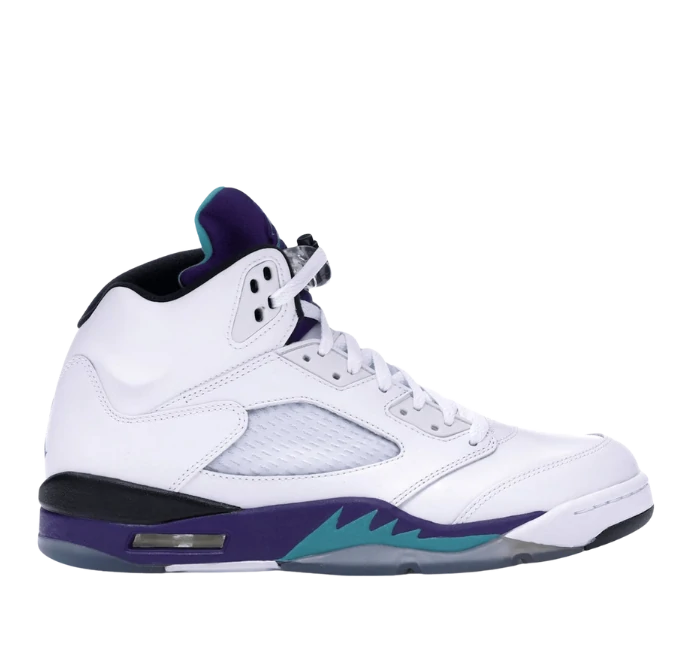
Three questions decide whether the Jordan 1 low starfish mens colorway belongs in your buy plan: does it sell without a discount, does the size run match your customers, and can you land it at a cost that leaves real margin. The shoe itself is simple. It is a low-cut Jordan 1 with a white or sail leather base and burnt-orange overlays that Nike labels Starfish. Below are the fit notes, demand patterns, stock depth math, and supplier checks worth running before you commit open-to-buy dollars.
What the Starfish Colorway Actually Is
Starfish is Nike's name for a warm, slightly muted orange, closer to faded salmon than to safety orange. On a Jordan 1 Low it usually appears on the overlay panels, heel, and sometimes the outsole, sitting against white or sail leather. The low silhouette keeps the shoe casual, which is why it reads as warm-weather stock rather than a year-round staple.
Here is the part that trips up buyers. The Starfish name has been used across men's, women's, and kids' runs, and the build changes between them. Pull the style code off the box label and match it against the listing before you pay. A supplier who sends photos without a legible label is not necessarily a problem, but ask for a clear shot of the tag before any deposit moves.
Break-in and care expectations
Customers will ask about creasing within the first week. Any leather toe box creases at the flex point, and no spray prevents it. Sell a shoe tree and a basic cleaning kit instead of promising otherwise. If a pair has suede or nubuck panels, hand it a brush and a water repellent, not a washing machine.
Fit, Sizing, and the Women's-to-Men's Trap
Most customers take their normal Nike size in the jordan 1 low starfish mens run. The shoe sits close to true, with a slightly narrow forefoot and a padded collar that softens after a week or two of wear. Wide-footed buyers usually go up a half size, and that is the single most common exchange reason on low-top Jordans.
The bigger risk is sizing conversion. Some Starfish releases were women's runs, and a women's 10 is a men's 8.5. If the listing says men's but the box says W, you are holding a pair that will not fit the customer who ordered it. Print the conversion on the product page and train staff to say it out loud at the register.
Returns tell you the truth faster than any spreadsheet. Track exchange reasons per colorway for a full quarter. If half-size-up requests cluster around one style, adjust the next order instead of blaming the customer.
Who Buys It, and When
Two groups drive this colorway. The first is the under-30 sneaker buyer who wants an orange accent that is not neon. The second is a parent buying a first serious pair for a teenager, usually in the core size run. Both respond to display, so put one pair at eye level with matching apparel within arm's reach.
Timing matters more than most Shops allow for. Orange reads warm-weather, so the strongest sell-through lands between March and August. That window shortens in the Midwest and Northeast and stretches into October across the Southeast, Texas, and Southern California. A fall order on this colorway should be shallow and narrow, not deep.
Planning the Size Run
Do not buy a flat run. Low-top Jordans skew toward the middle of the men's range, because that is where the volume lives. The shares below reflect common sell-through patterns at independent shops, offered for planning only. Replace them with your own sales history as soon as you have two seasons of data.
| Men's size | Rough share of pairs sold | Stocking note |
|---|---|---|
| 7 to 8 | About 15 percent | Keep one or two pairs for requests |
| 8.5 to 9.5 | About 30 percent | Never let this bracket go empty |
| 10 to 11 | About 40 percent | Core volume, deepest depth |
| 11.5 to 12.5 | About 12 percent | Steady demand, expect half-size-up buyers |
| 13 and up | About 3 percent | Buy to order unless a customer is waiting |
Below a men's 7, treat the shoe as a women's sale and stock it that way. Above a 13, buy against a named customer rather than a hunch. Holding that discipline keeps cash free for the next colorway that actually turns.
Price Logic and Supplier Checks
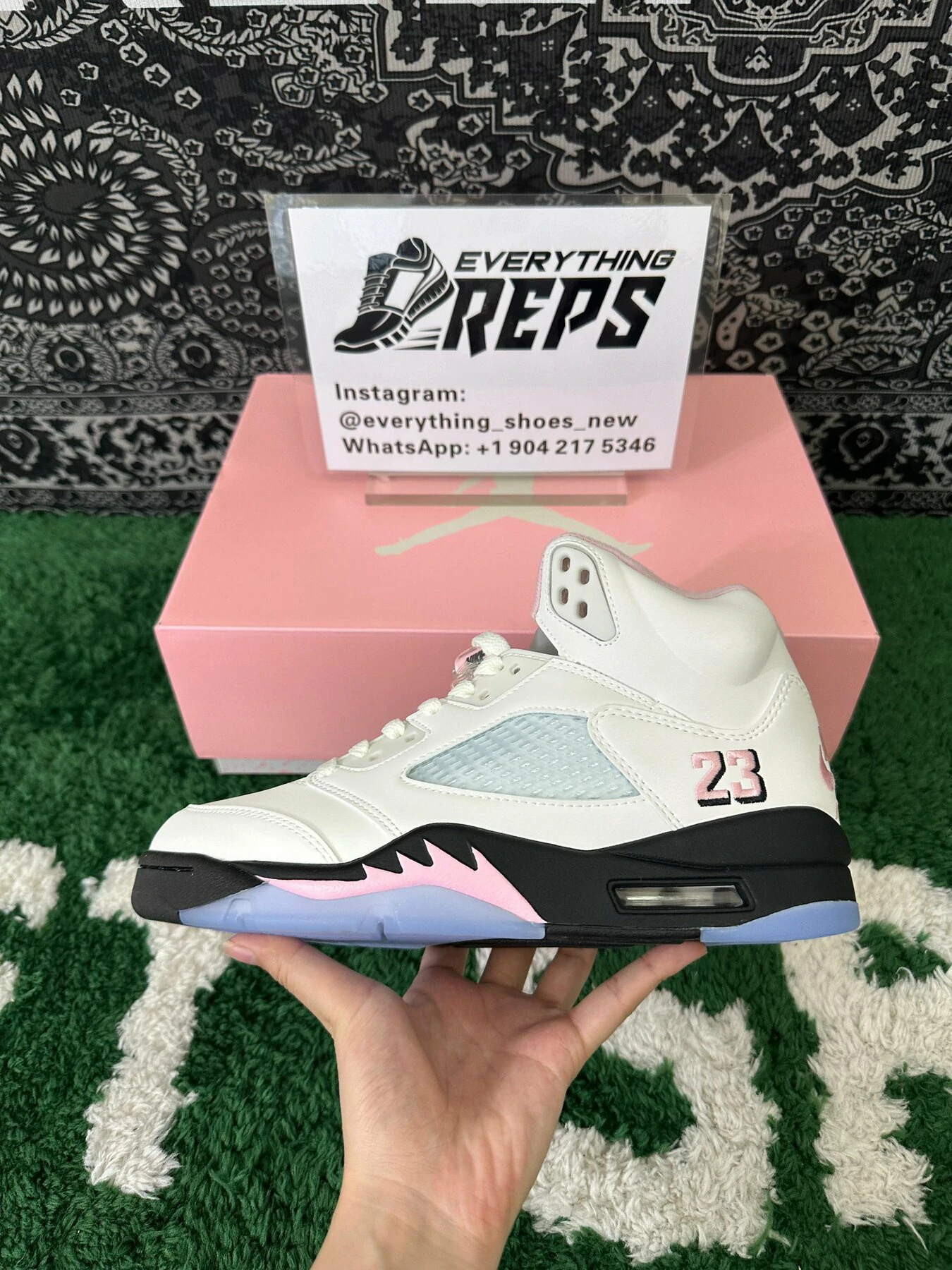
Landed cost is the number that matters, not the sticker price on a quote sheet. Ask for a breakdown that separates unit cost, freight, and any duties, then calculate your break-even before you talk about retail. General-release Jordan 1 Low quotes commonly support a 40 to 60 percent markup at full retail, though that range shifts with size, season, and quantity. Treat it as a starting point and confirm every figure with the supplier in writing.
Minimum order quantity is the other lever. Many suppliers quote minimums starting around a dozen pairs per style and will not break a size run, while others will mix. If someone offers a jordan 1 low starfish mens pair well under the going rate, ask what the catch is before sending money. Clean answers exist, such as closeout stock or a discontinued size, and so do the other kind.
- Ask for a live video call showing the actual pairs in the warehouse, not a catalog image.
- Confirm the style code on the box label matches the pair being filmed.
- Get the return policy in writing, including who pays return freight.
- Buy one sample pair before any bulk commitment, and inspect it in person.
- Request two US trade references and call both.
Authentication Red Flags
Nobody at a small shop can authenticate a sneaker from a photo alone, so do not try. Use the box label, the size tag, and a physical inspection together. On a Starfish pair, the orange should read the same on both shoes, with no overspray bleeding onto the white leather and a clean paint line where the midsole meets the upper.
Stitching is the fastest tell. Check for even spacing along the swoosh and heel, no loose threads, and a tongue label that sits flat without bubbling. If a jordan 1 low starfish mens pair feels wrong in hand, set it aside and send it to a paid authentication service before it reaches the shelf. A modest authentication fee is cheaper than a chargeback and a one-star review.
Paperwork protects you as well. Photograph the box label and size tag of every pair on arrival and file the images with the invoice. Sneaker chargebacks are common, and a dated photo set is the least expensive defense you have.
Common Buyer Questions
What does Starfish look like in person?
It is a warm, muted orange with a slight salmon lean, not a bright construction orange. Under store lighting it reads softer than in studio photos, which is why some customers hesitate online and buy in person. Show a real photo on your product page and note that screens vary.
Is this colorway a reliable seller for a small shop?
It performs well in warm months and in markets with a casual sneaker customer. It is not a hyped release, so expect steady turnover rather than a launch-day spike. Depth of two to three pairs per core size is usually enough for an independent store testing the colorway.
How do I avoid overpaying from a wholesaler?
Collect three quotes on the same size run and compare landed cost, not unit price. Ask each supplier what freight and duties are included. A higher unit price with freight included often beats a cheap unit price with shipping added later. Confirm all terms in writing before any deposit.
How many pairs should a first order include?
Most independent shops open with a mixed run concentrated between men's 8.5 and 11, plus singles at the edges. Ranges vary by store, so confirm what your supplier will actually break. A shallow first order protects cash and gives you real sell-through data for the second buy.
Next Step on Your Buy Plan
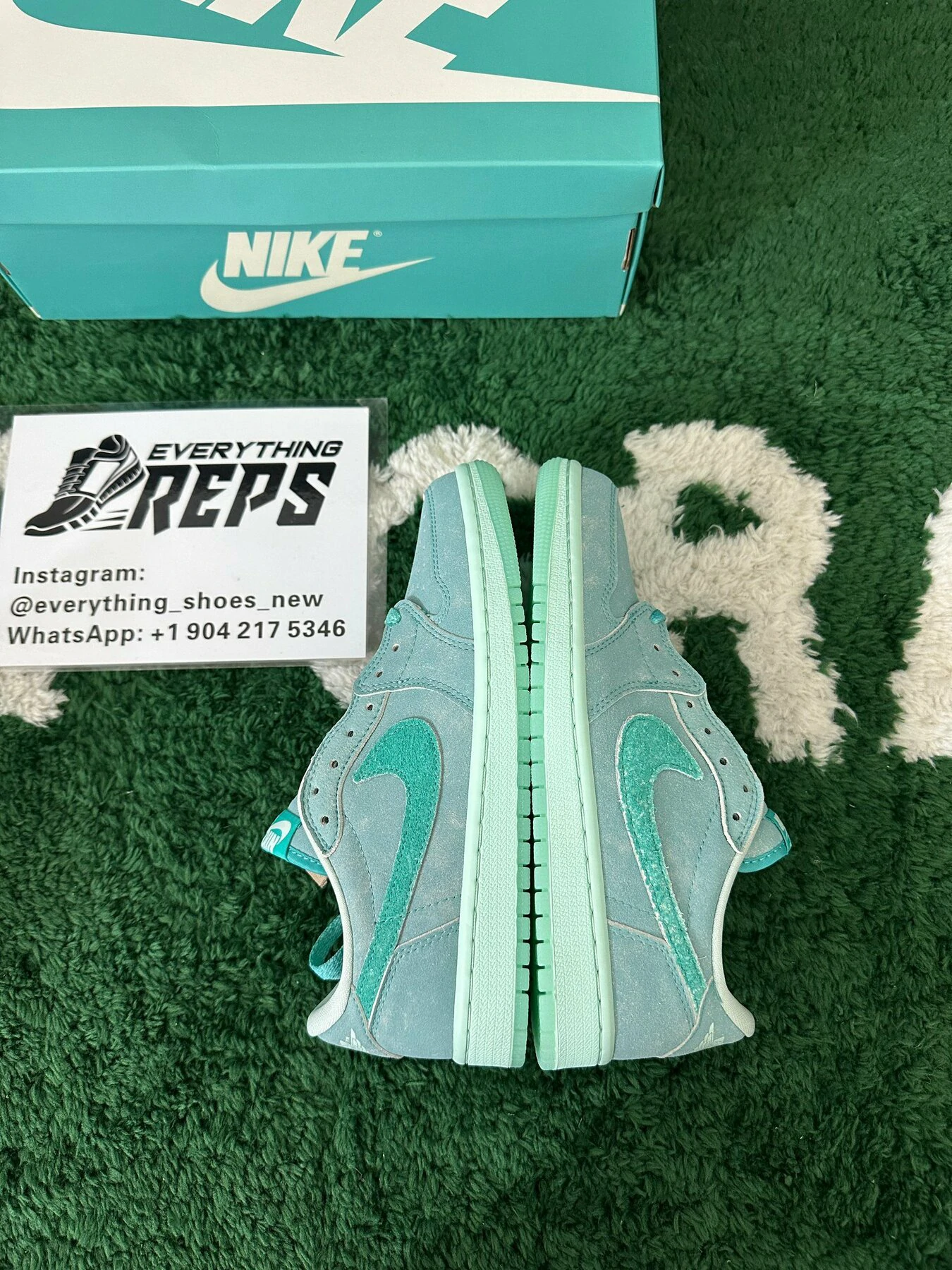
Start with one sample pair, verify the style code, and build the size curve from your own exchange data rather than a generic chart. If you are sourcing the jordan 1 low starfish mens colorway for a spring or summer drop, send us your size breakdown and target landed cost, and we will come back with availability and a written quote.