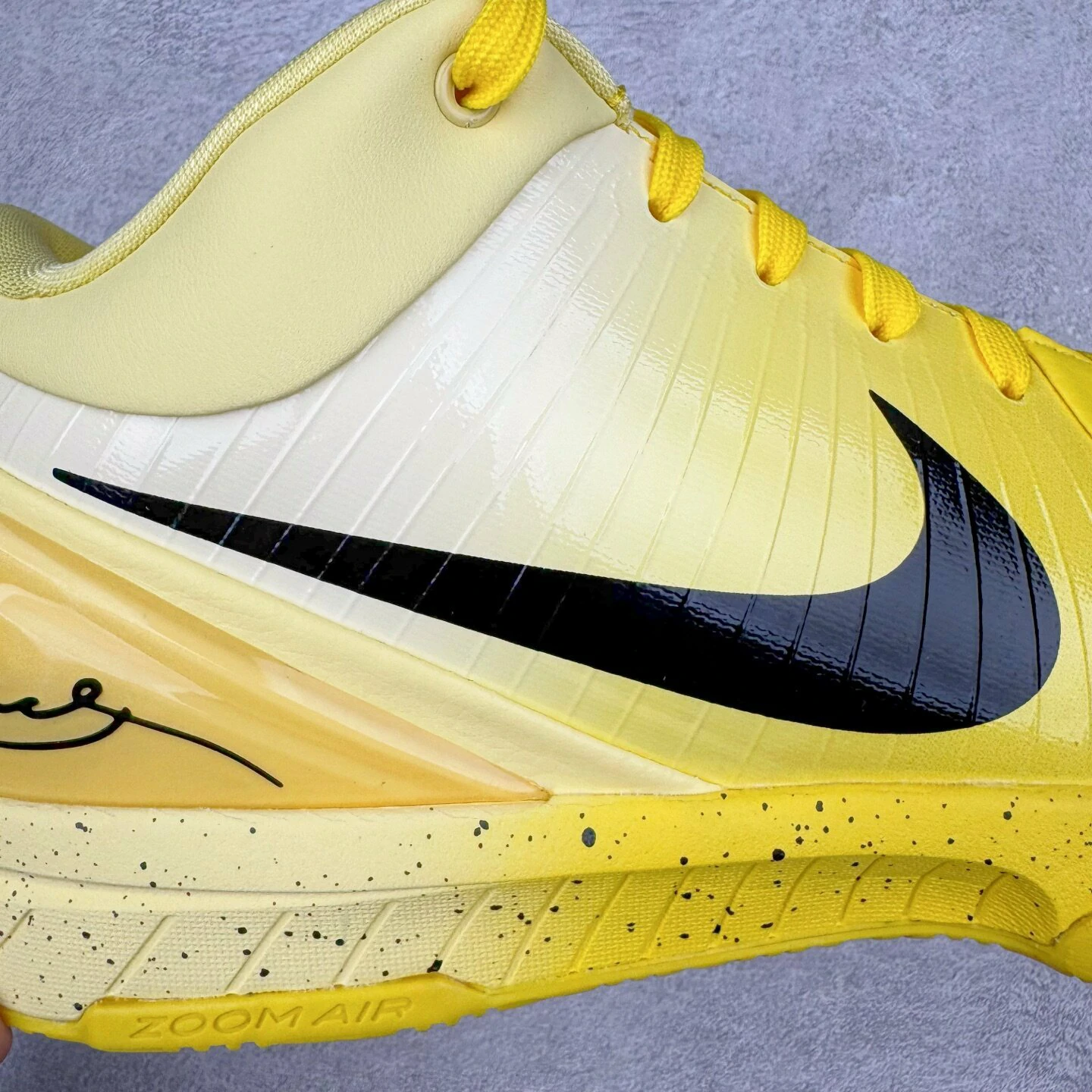
Most independent shops lose money on a bulk order before the first pair sells, and the unit price is rarely the cause. Freight, duty, broken size runs, and a supplier who cannot document provenance do the damage. Buying shoes in bulk works when you treat it as a landed-cost and verification problem instead of a discount hunt.
Below are the six checks worth running before any deposit, how MOQ tiers change your cash position, and where legitimate bulk inventory actually comes from.
Unit Price Is the Least Important Number
A quote of $54 a pair looks better than $61 until you add the rest. Ocean or air freight, forwarder fees, duty, and payment processing commonly add a meaningful percentage on top of the invoice, and that percentage moves with carton size and weight. Ask every supplier for a delivered quote, not an FOB quote, and compare on that basis.
Cash timing matters as much. A 30% deposit on 300 pairs ties up money for six to ten weeks before you can sell the first unit. Shops that turn inventory quickly can absorb that. Shops carrying three months of core product usually cannot.
Then there is the quiet cost: the pairs you cannot sell. A lot priced at $40 a pair is expensive if a fifth of it sits on the shelf for a year.
Six Checks Before You Send a Deposit
Any supplier can send a polished PDF. These six items are harder to fake, and each one has killed deals that looked fine on paper.
- Legal identity matches the bank account. The company name on the business license, the resale certificate, and the receiving bank should line up. Mismatches are the most common red flag in bulk footwear deals.
- A real price list with tiers and per-style minimums. Answers like "contact us for best price" on every SKU usually mean the seller is brokering, not stocking.
- Style codes and box labels in photos. Ask for close-ups of the size tag, the SKU on the box, and production dates. Cross-check those codes against the brand's own listing before you commit.
- A paid sample or small trial order. One carton of six pairs tells you more about grading, packaging, and shipping speed than three reference calls.
- Written terms on defects and returns. Get the defect allowance, the claim window, and who pays return freight in writing. Verbal promises disappear after the wire clears.
- Two or three buyers you can actually reach. Ask for references in your region and call them. A supplier with nothing to hide will provide them.
What MOQ Tiers Do to Your Cash
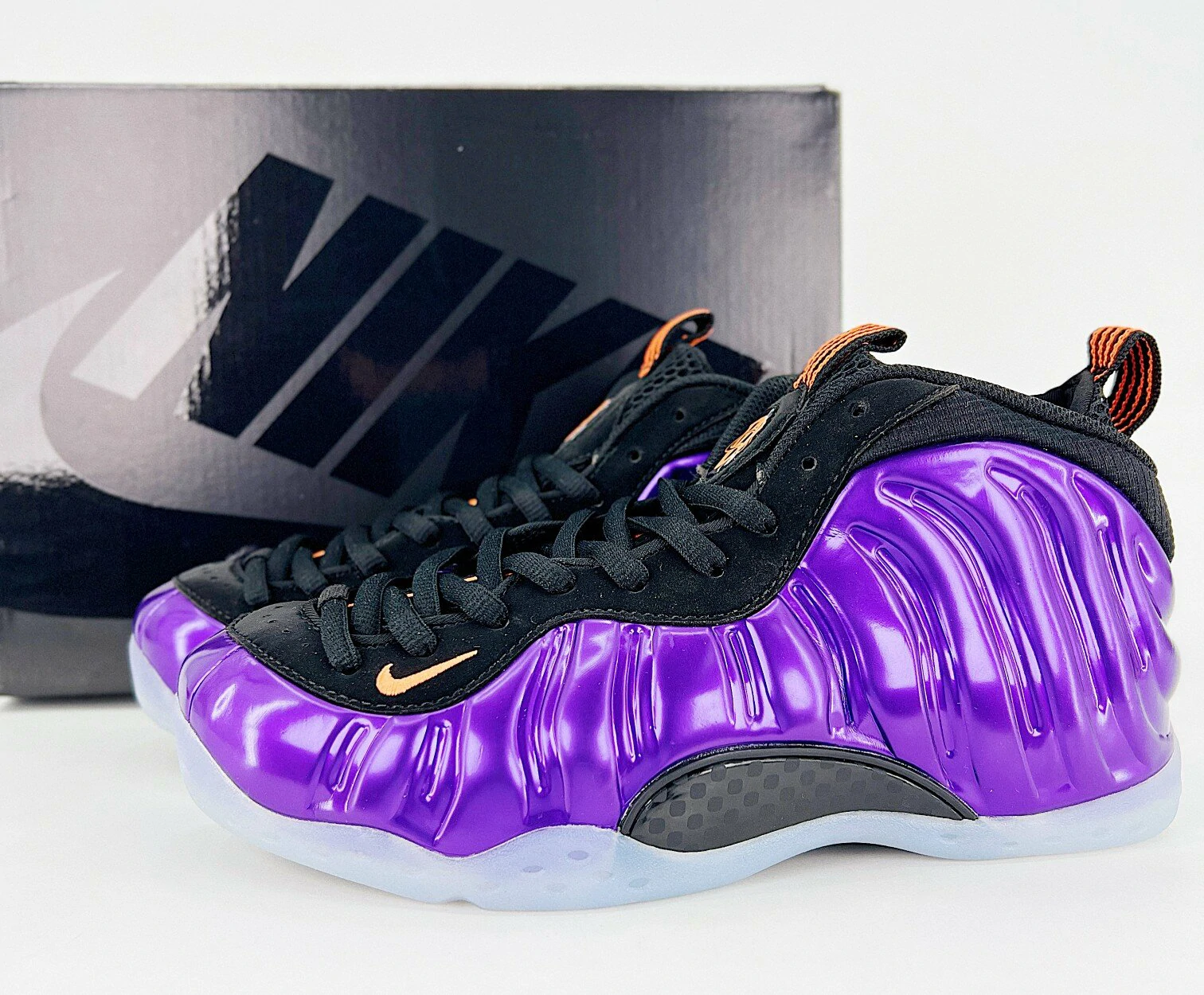
Minimum order quantities are usually quoted per style, not per order, and the real constraint is the size run. A 36-pair minimum on a running shoe often means three pairs each in US 8 through 13, whether or not that curve matches your customers.
Higher tiers lower the unit cost but raise the risk. The jump from a 36-pair tier to a 120-pair tier might save a few dollars per pair while doubling the capital committed to one colorway. For a single store, two or three smaller orders across a season usually beat one large buy.
Buying shoes in bulk at the top tier only makes sense when you have sales history proving you can move that colorway in that size curve. Without history, take the smaller tier and pay the difference.
| Channel | Typical minimum | Unit cost vs. MSRP | Authenticity risk | Best for |
|---|---|---|---|---|
| Authorized distributor | 24 to 48 pairs per style, size run required | Roughly 45 to 60% | Low | Shops with a resale certificate and steady core basics |
| Closeout or overstock broker | 12 to 36 pairs, mixed lots common | Roughly 30 to 50% | Medium | Filling gaps on discontinued colorways |
| Liquidation pallets | Sold by the pallet, often 100+ pairs | Roughly 10 to 25% | High | Discount outlets that can sort, grade, and absorb loss |
| Overseas factory or B2B platform | 60 to 300 pairs per style | Roughly 20 to 40% | High | Private-label and non-branded footwear, not branded sneakers |
These figures are commonly quoted ranges for reference only. Confirm minimums, pricing, and terms directly with each supplier before you budget.
Where Bulk Inventory Actually Comes From
Brand-owned wholesale accounts are contractual and rarely open to new small retailers. Most independents buying shoes in bulk source through authorized distributors, closeout brokers who buy excess inventory from larger accounts, liquidation channels that sell by the pallet, and overseas platforms for non-branded or private-label product.
Each channel has a different failure mode. Distributors are reliable but picky about onboarding and allocation. Closeout brokers can supply discontinued colorways at healthy margins, though grading varies from lot to lot. Pallets are a sorting job, not a purchase.
This is why buying shoes in bulk from open marketplaces deserves extra caution. A listing photo is not inventory, and a seller with no warehouse address is a broker with a laptop.
Sizing, Colorways, and Dead Stock Risk
US size curves in footwear skew toward men's 8 to 11 and women's 7 to 9, with 9 and 10 doing the heaviest volume in unisex styles. Size mix is the part of buying shoes in bulk that new buyers underestimate most. If a lot is heavy in 6, 6.5, and 14, that is why it is cheap. Ask for the size breakdown in writing before you agree to a mixed lot.
Colorway risk runs the other way. The most counterfeited pairs are also the ones with the highest resale, so a bulk offer full of hyped colorways at a low unit price is a warning, not a bargain. Core black, white, and team colorways turn slower per pair but they turn predictably.
Mixed lots also hide grade problems. One scuffed pair is normal in closeout. Ten pairs with crushed boxes inside a 60-pair lot means the seller is dumping returns.
Frequently Asked Questions
How many pairs do I need to order to get wholesale pricing?
Common minimums fall somewhere between 12 and 48 pairs per style for domestic wholesale, and higher for direct imports. The number varies by brand, category, and channel, so treat any figure as a starting reference and confirm it in writing before you plan cash flow around it.
Can I buy Nike, Jordan, or Adidas in bulk directly from the brand?
Not as a new small account, in most cases. Brand wholesale programs are contractual and typically require a physical storefront, a resale certificate, and volume commitments. Most independent shops buy through authorized distributors or closeout channels instead, and price their retail accordingly.
How do I verify authenticity on a bulk lot?
Run a sample through the standard checks: stitching density, midsole glue lines, tag fonts, box label codes, and weight against a known pair. For high-value lots, pay a professional authentication service. No supplier photo set replaces a physical inspection.
Is paying by wire transfer normal on a first order?
Wire is standard in international wholesale, which is exactly why it is risky with a new supplier. Start with a small trial order, use a payment method with recourse where possible, and never send a large deposit to an account name that differs from the company you verified.
Planning a seasonal buy and want the numbers before you commit? Send over your size curve and the styles you need quoted, and we will return tier pricing, lead times, and a sample plan so you can test the product first.