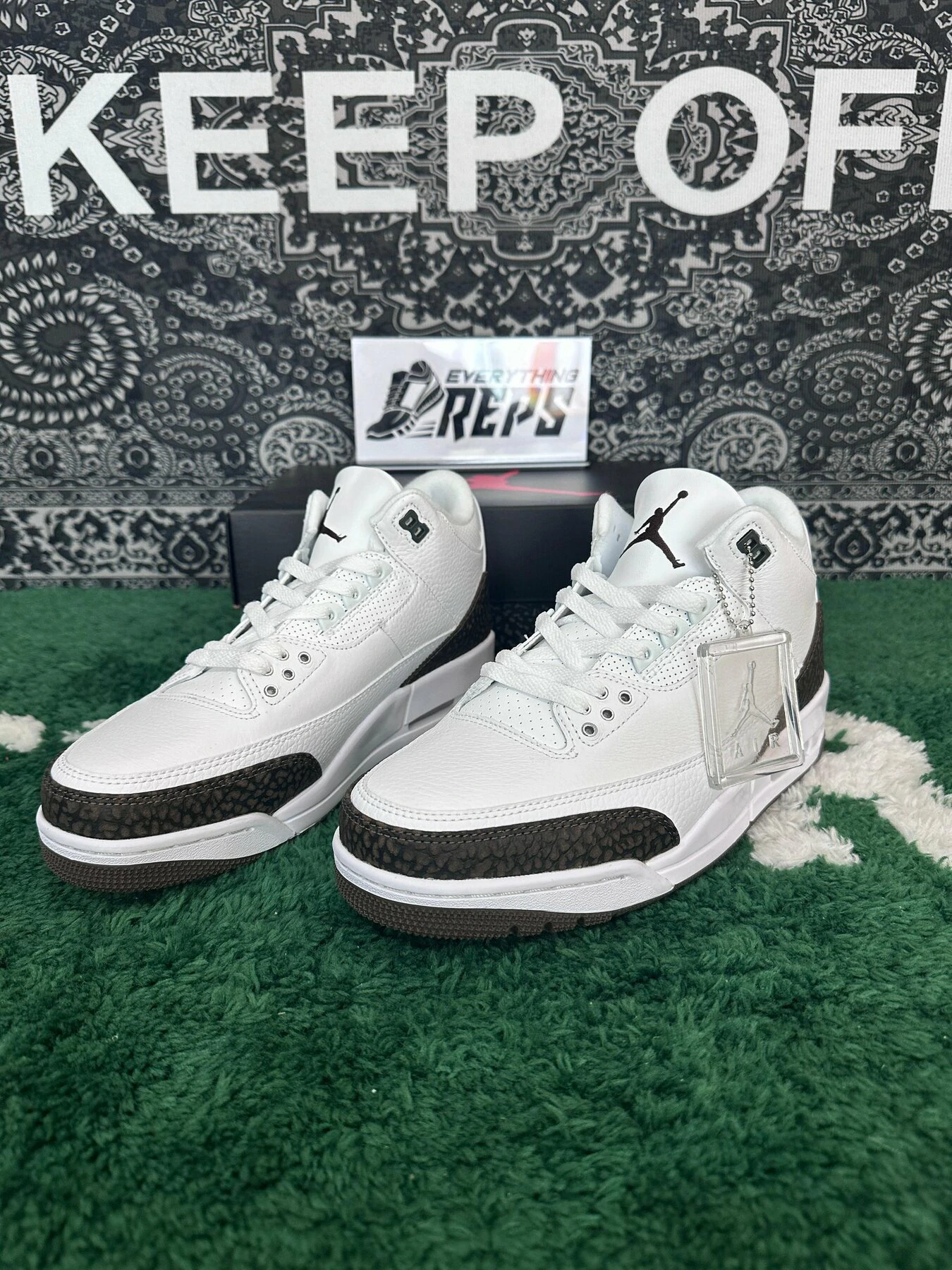
The Jordan Retro 4 cement Grey is a general-release Air Jordan 4 built on a white leather base with grey overlays and the speckled midsole detail that defines the cement family. For a US shop, it lands in a useful spot: recognizable to walk-in customers, neutral enough to sell across seasons, and not so hyped that your cash gets buried in a single size.
What follows covers what the shoe actually is, how it fits across a size run, what to inspect on incoming pairs, and how it holds up against the other AJ4 colorways competing for the same shelf space.
What This Colorway Brings to a Shelf
The upper is mostly white leather with matte grey overlays, and the midsole carries the speckled finish buyers associate with cement AJ4s. Tongue branding uses a red accent, which is the one warm note on an otherwise cool-toned shoe. Nothing about the blocking is loud, and that is the point.
Two customer types pick it up. The first wants an AJ4 without paying a premium for a limited drop. The second is replacing a worn white sneaker and wants something with more structure than a canvas low. Both are repeat buyers if the fit works for them.
Buyers who search for the Jordan Retro 4 Cement Grey usually want one of two things: a clean daily pair or a colorway they can restock without chasing a release date. That restock angle matters more than the launch angle for a store planning quarterly inventory.
Fit, Sizing, and How to Plan a Size Run
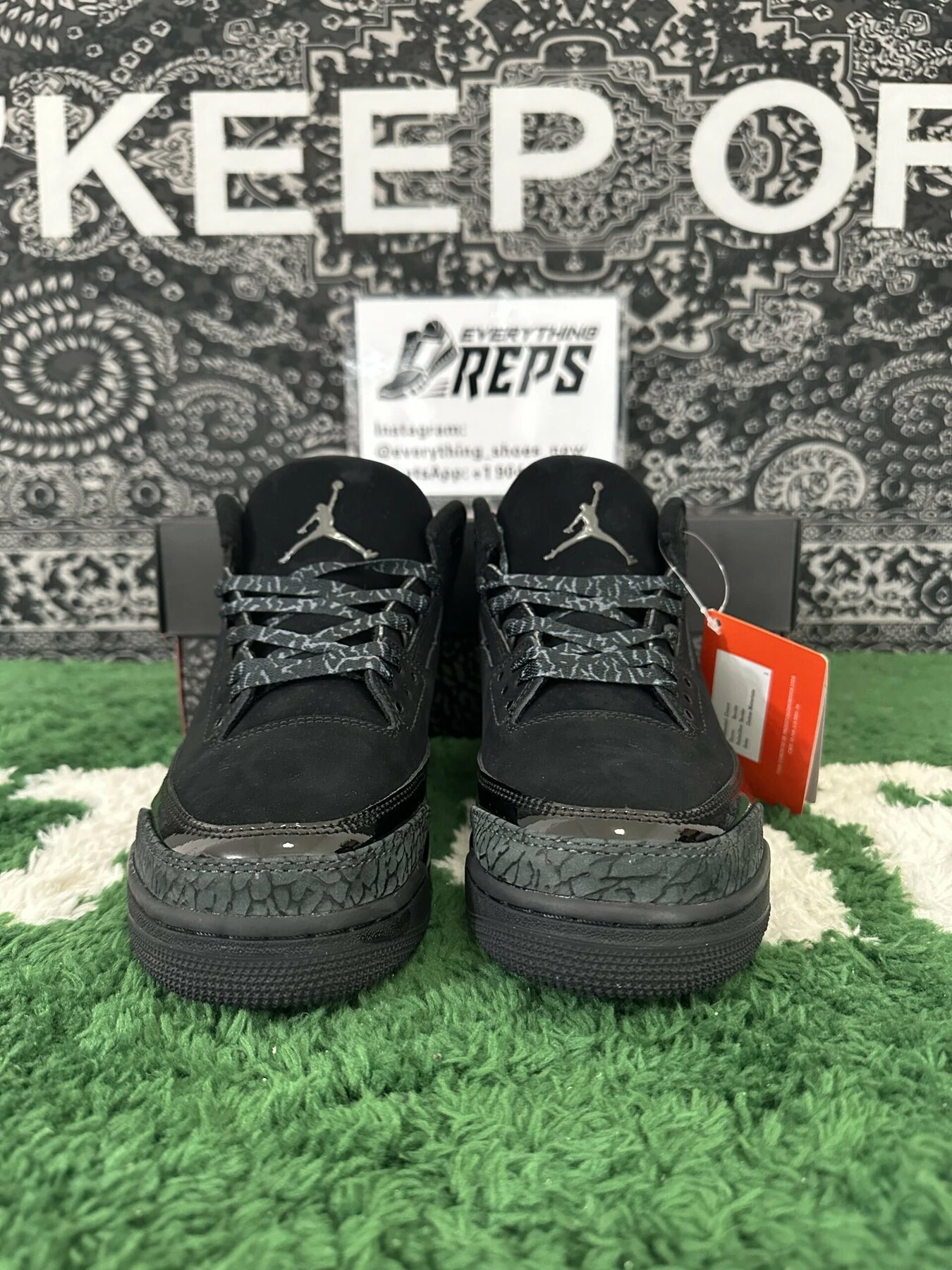
Like most AJ4 retros, the Jordan Retro 4 Cement Grey runs true to size for the majority of buyers. The midfoot is snug and the toe box is on the narrow side, so wide-footed customers often ask for a half size up. Pull the official size chart before you quote anything over the phone.
Breakage in an AJ4 run is predictable. Core adult sizes carry the volume, smaller sizes sell fast online, and the large end sits longer but rarely needs discounting. The table below reflects typical sell-through patterns, not a guarantee for your market.
| US size | Who it fits | Stocking note |
|---|---|---|
| 8–9 | Smaller-footed adults, many women | Shallow depth in most runs; first sizes to disappear online |
| 9.5–11 | Core adult range | Deepest demand; protect this block in every order |
| 11.5–13 | Taller and wide-footed buyers | Moves slower but holds full price |
| 14–15 | Large-foot buyers | Order against a customer request or preorder only |
A common mistake is ordering a balanced run when your sales history is not balanced. If your last three AJ4 sell-throughs skewed to 9.5–11, order to that curve and use the odd sizes as fill, not as the base.
What to Inspect on Incoming Pairs
Quality on general-release pairs is consistent but not perfect. Most issues you will catch are cosmetic and show up in the first ten seconds of handling a pair, before it ever reaches a shelf or a listing photo.
- Match the box label to the shoe: style code, colorway name, and size should all agree.
- Compare left and right for speckle density on the midsole. The pattern is applied randomly, so variation between pairs is normal, but heavy clumping on one shoe is worth flagging.
- Run a thumb along the toe box stitching and the wing panel. Skipped or doubled stitches are the most common defect.
- Check paint lines where the midsole meets the upper at the toe and heel.
- Brush the grey overlays against the nap to confirm they are even and not patchy.
- Look at tongue label alignment and insole print for smearing.
On the Jordan Retro 4 Cement Grey, the white leather is where handling damage shows first. Photograph every pair before it goes into stock so a customer-return dispute does not turn into your word against theirs.
Authentication Cues and Where They Fail
Replica AJ4s are common in the secondary market, and the cement colorways are among the most copied because the speckle work looks simple to reproduce. It is not. On authentic pairs the speckle sits under a clean finish, while many fakes show raised dots or uneven spacing.
Beyond the midsole, check style code placement inside the shoe, the font weight on the box label, and the density of stitching on the heel tab. None of these is conclusive alone. If a lot is large enough to matter, pay for third-party authentication and factor that cost into your margin.
Buy from suppliers who can document provenance: original invoices, distributor paperwork, or a verifiable consignment trail. A price that sits well below the rest of the market is information, not an opportunity.
How It Compares to Other AJ4 Colorways
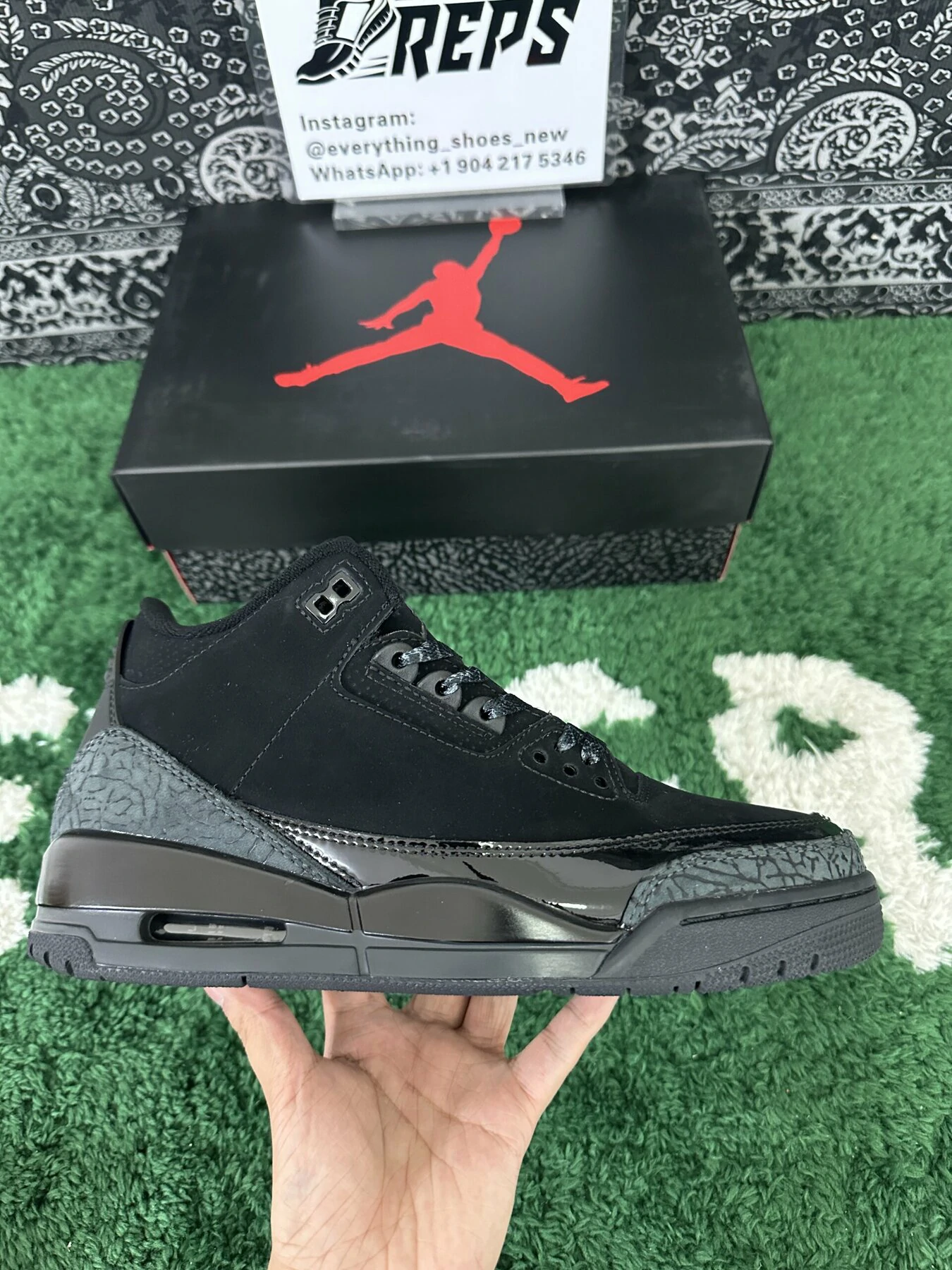
Shelf space is finite, so the real question is which AJ4 gets the slot. The comparison below keeps to qualitative differences, since premiums and availability shift month to month.
| Colorway | Look | Typical buyer | Sourcing reality |
|---|---|---|---|
| Cement Grey | White base, grey overlays, red tongue accent | Everyday wear, first-time AJ4 buyers | General release; steadier supply than hyped drops |
| White Cement | White leather, full cement speckle | Collectors and nostalgia buyers | Older retros carry premiums; supply is uneven |
| Black Cement | Black upper, cement midsole | Fall and winter rotation | Heavy demand on every retro; tighter margins |
| Military Blue | White and blue blocking | Buyers who want color without red | Cyclical; check release timing before committing |
For most independent shops, Cement Grey is the safer volume shoe and White Cement is the case-piece. If you can only carry two, take one of each and let the customer choose the level of nostalgia they want.
Questions Shops Ask Before Ordering
Is the Jordan Retro 4 Cement Grey true to size?
For most people, yes. The AJ4 last is snug through the midfoot with a slightly narrow toe box, so buyers with wide feet often size up half. Women converting from women's sizing should use the official conversion chart rather than subtracting a fixed number.
Is Cement Grey the same as White Cement?
No. White Cement is the classic white-and-speckle makeup tied to the original run. Cement Grey is a separate colorway with grey overlays and a different overall balance. Customers mix them up constantly, so label your listings clearly to cut down on returns.
Can independent stores buy this colorway at wholesale?
Authorized Nike accounts are limited, and most independent shops source general-release AJ4s through distributors, liquidation lots, or consignment instead. Ask for provenance documentation, confirm the return policy in writing, and verify the pairs on arrival. Terms vary widely by supplier, so treat any quoted MOQ or price as a starting point to confirm.
How deep should a small shop go on one size?
Use your own sell-through data first. Without history, keep the 9.5–11 block deepest, hold moderate depth at 8–9 and 11.5–13, and buy the extremes only against requests. Two to four pairs per core size is a common starting range for a first order, but confirm against your open-to-buy.
Will the grey midsole yellow over time?
Painted and foam midsoles can discolor with UV exposure and humidity, and white leather uppers are more sensitive than black. Store stock away from direct sunlight, keep the boxes off concrete floors, and rotate older inventory to the front of the shelf.
Next Step
If you are building an AJ4 assortment for the coming season, send us your size curve and target landed cost. We will come back with available runs, condition notes, and current terms so you can compare against your existing suppliers before you commit to a bulk order.