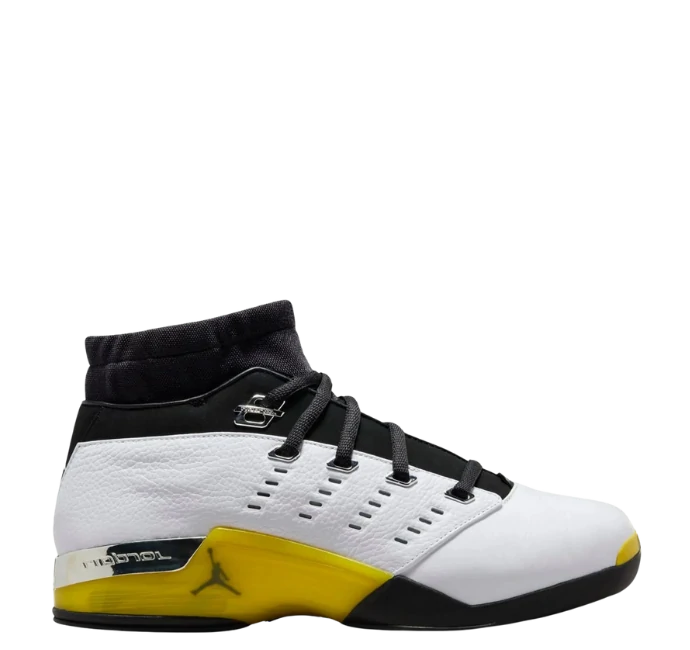
Jordan 1 Low Washed pairs are a colorway family, not one shoe: the familiar low-top built with faded, garment-dyed-looking leathers and muted overlays. For a US independent shop, the real question is not whether they sell but how deep to buy, which sizes to hold, and where to source them without eating a counterfeit loss. This guide covers what the washed finish changes about sell-through, how to plan a size run, and the checks to run before you wire money.
Short version: they are a solid mid-tier addition to a low-top wall, best bought in neutral tones first, and they reward shops that reorder fast instead of writing one huge opening order.
What the Washed Finish Changes on the Shoe
The Jordan 1 Low Washed finish is the whole story. Garment-style treatments soften the leather and pull the color down a few shades, so a black pair reads charcoal and a pink pair reads dusty rather than bright. Customers who dislike the standard high-gloss look on this silhouette tend to gravitate to these.
Softer leather usually means a faster break-in, and many buyers find a little extra room across the forefoot after a few wears. That is worth saying at the counter, because it cuts down on half-size exchanges two weeks later.
Care needs more attention here than on a standard pair. Faded finishes mark easily, and scrubbing too hard can lift the wash unevenly. Stock a neutral cleaner, and tell buyers to spot clean, air dry, and skip the washing machine entirely.
Which Washes Deserve Shelf Space
Not every washed colorway belongs in a 600-square-foot store. Neutrals carry the volume: washed black, faded grey, sail, and muted taupe move across age groups and pair with almost anything. Those are the pairs you reorder.
Pink, teal, and other saturated washes are trend inventory. They photograph well, sell fast in the first two weeks, then sit. Buy them shallow, in the sizes your female and younger customers actually ask for, and treat them as a one-shot rather than a season-long bet.
A simple ratio helps: for every three pairs of a neutral Jordan 1 Low Washed colorway, plan one pair of a trend wash. That keeps the wall interesting without tying up cash in a color that dies in six weeks.
Planning a Size Run for a Low-Top
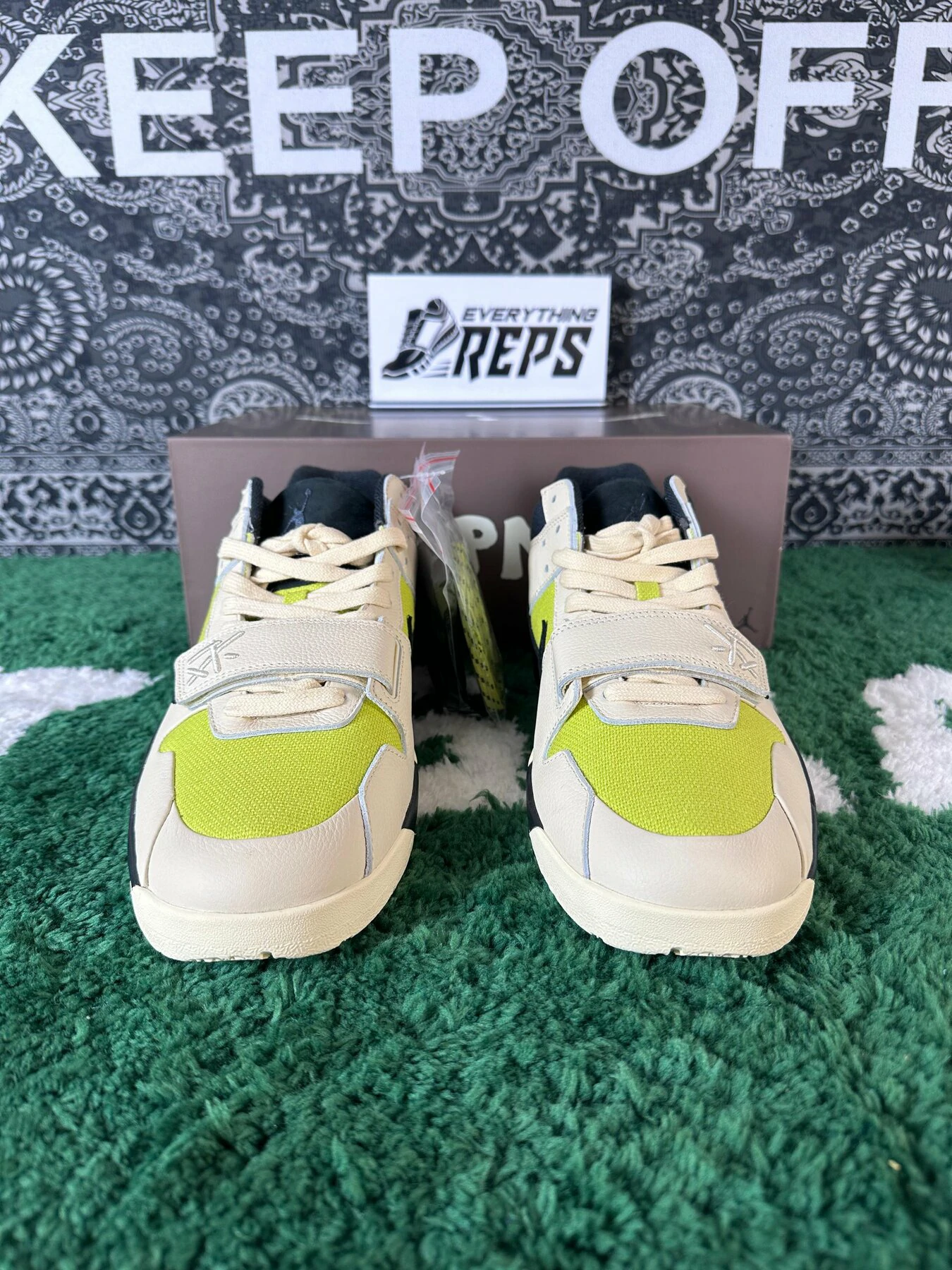
Sizing on this silhouette is straightforward. Most buyers take their normal US size, and wide-footed customers generally go up a half size rather than a full one. Keep a printed size chart at the register, and pull it from the official brand page rather than a resale listing.
What varies is depth. Men's sizes 9 through 11 carry the bulk of demand in most US independents, with women's conversions filling out the small end. The split below is a starting point many shops use for a first order; adjust it against your own sell-through after one cycle.
| Size (US men's) | Rough share of a first order | Pairs per 24-pair buy | Notes |
|---|---|---|---|
| 7 to 8 | About 15% | 3 to 4 | Feeds women's conversions; keep one pair of each trend wash |
| 8.5 to 9.5 | About 30% | 7 | Highest turnover; first to reorder |
| 10 to 11 | About 35% | 8 to 9 | Core men's demand; do not underbuy |
| 11.5 to 13 | About 20% | 4 to 5 | Thin but usually full price; last to discount |
Percentages here are a planning convention, not a guarantee. Check your own POS data after the first cycle and shift the weight toward whatever your customers actually bought. An opening order built this way lets you test a Jordan 1 Low Washed colorway without committing to a full run in every wash.
Sourcing: What to Verify Before You Pay
Supply comes through three main channels: brand accounts and authorized distributors, licensed wholesalers working through leftover stock, and marketplace or social sellers. The first is slowest to open and safest. The third is where most counterfeit losses happen.
When you buy Jordan 1 Low Washed stock from a marketplace seller, ask for the style code plus clear photos of the size tag and box label before any deposit. Match the code to the colorway, confirm that box, tag, and shoe all agree, and compare stitching density and swoosh placement against a pair you already own.
- Style code and color code match on the box label, the size tag, and the listing itself
- Production dates on the tag fall inside the colorway's known run
- Box label font, spacing, and country of manufacture look consistent with pairs on your shelf
- Leather panels feel even in thickness; the wash should fade gradually, not in patches
- Midsole stitching is uniform, and the swoosh sits at the same height on both shoes
- Seller accepts third-party authentication or a return if inspection fails
- Payment terms protect you: deposit after inspection, balance on delivery
No photo set replaces a physical check. On any order above a few hundred dollars, budget for an authentication service or buy a single pair first and inspect it in hand.
Cost, Margin, and Reorder Discipline
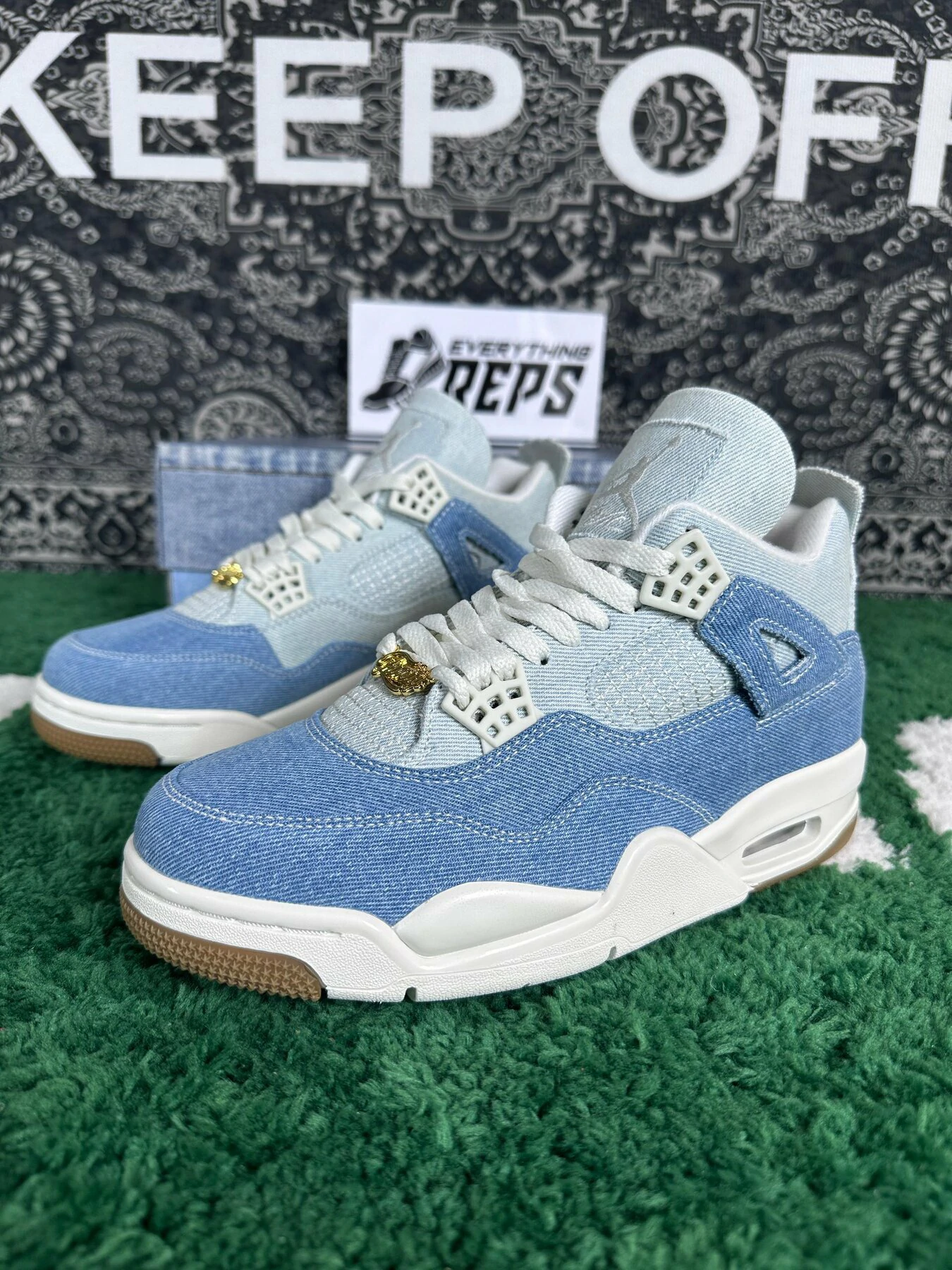
Suggested retail on the Jordan 1 Low line commonly sits in the $110 to $140 range depending on the wash and the season, with trend colors sometimes landing a little higher. Wholesale cost from legitimate channels typically lands between half and two-thirds of that retail figure. Treat both numbers as planning ranges only and confirm current pricing with your supplier.
Margin math gets ugly when you overbuy a trend wash. A pair that sells at full price in week one is a good pair. The same pair discounted 30% in month three erases the margin on two others.
Cash flow matters too. Freight, duties, and clearing costs on imported stock vary by lane and classification, so treat any quote as an estimate and confirm landed cost with a customs broker before committing to a large buy.
FAQ
Do washed colorways run true to size?
In most cases, yes. Buyers generally take their standard US size here, and wide-footed customers often size up a half. The softer leather can feel roomier after break-in. Check the official size chart before quoting a customer, since lasts shift slightly between production runs.
How large should a first order be?
Start with a 24- to 36-pair buy across two or three colorways, weighted toward neutrals. That is enough to test demand and keep a full size run on the wall without locking up cash. Confirm minimum order quantities with each supplier, because they vary widely.
Are washed colorways restocked?
Some neutrals return in later seasons; most trend washes do not. Treat a trend color as a one-time buy and price it to clear within eight to ten weeks. If a neutral keeps selling, ask your supplier about reorder windows before the season closes.
How do I avoid counterfeit stock?
Buy from accounts you can verify, request style codes and tag photos up front, and inspect one pair in hand before scaling up. Third-party authentication costs far less than a bad case. If a price sits well below market, the pairs usually are not what the listing claims.
Will these sell at full price?
Neutrals usually do, especially in core sizes 9 to 11. Trend washes sell at full price early and soften after that. Plan markdowns into your margin from day one instead of hoping a color holds.
If you are assembling a low-top buy for the coming season, send over the colorways and size run you have in mind. We can put together a quote, confirm current availability, and match quantities to your floor space and sell-through history.