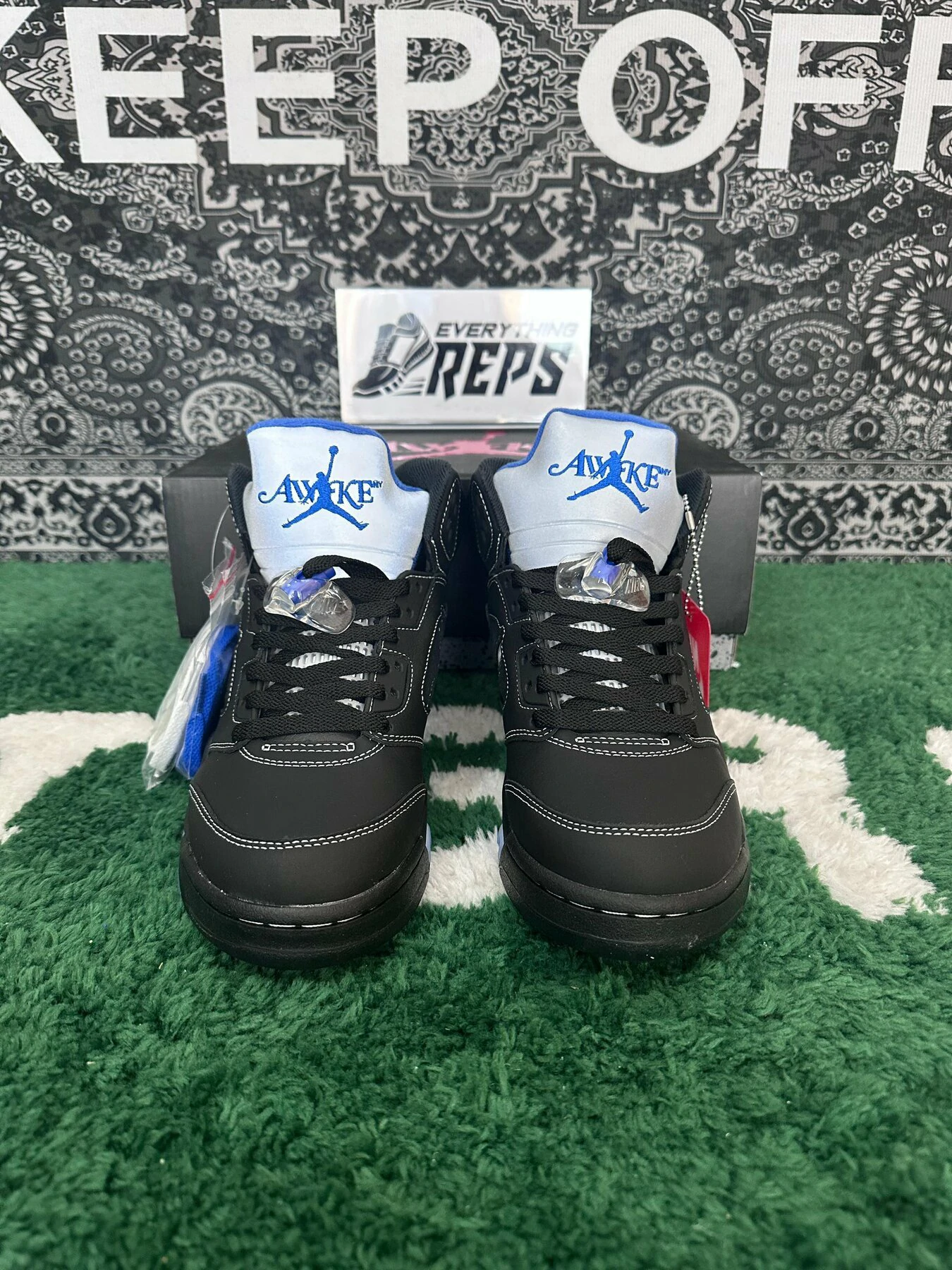
Release events drive traffic, but for a shop they are inventory decisions. Hype tells you what customers will search for; the calendar, allocation rules, and size curve tell you what you can actually sell at a profit. Below is how independent retailers and online sellers should plan Buying Around sneaker Drops, from reading a calendar to sizing depth, pricing, and release-week execution.
Start with the calendar, not the hype
A brand release calendar is a planning tool, not a delivery promise. Wholesale accounts usually receive ship windows, and those windows move. Build a rolling 90-day view so a slipped date does not wipe out a week of planned listings.
Most calendars mix general release product with limited quickstrike pairs. General release pairs are usually reorderable and safer to Stock deep. Limited pairs reward speed but punish overbuying, so separate the two on your buying sheet before you commit a dollar.
Timing for sneaker drops is regional, so a US release date says little about supply in other markets. If you sell cross-border, check the launch calendar for each country you ship to and confirm duty treatment with your customs broker rather than assuming your usual rate applies.
Allocation and sizing: where margin actually lives
Margin problems rarely come from the wrong shoe. They come from the wrong size curve. A supplier who sells full size runs forces you to take slow sizes to get the core ones, and that trade decides your sell-through months later.
For men's styles in most US stores, sizes 9 through 11 carry the volume, with 10 and 10.5 moving fastest. Women's lifestyle and running skew slightly narrower. Treat those as starting points and check your own sales history before every season.
Small shops often split a size run with a partner store. That works if you agree on cost sharing, transfer timing, and who eats the unsold pair. Put it in writing, because the argument always happens over size 13.
| Source | What you typically get | Sizing control | Main risk |
|---|---|---|---|
| Approved brand wholesale account | Core and seasonal inline product, ship windows rather than firm dates | Limited, often full size runs only | Allocation cuts land on the pairs you wanted most |
| Distributor or jobber pre-order | Mixed brands, earlier commitment, sometimes deeper quantities | Moderate, case packs | Late or partial delivery close to launch |
| Aftermarket and consignment buys | Specific sizes and hyped colorways | High, you pick the sizes | A cost basis above MSRP erases the margin |
| Closeout and liquidation pallets | Assorted past-season pairs | Low, sizes arrive at random | Dead stock Stuck in odd sizes |
Compare landed cost, not quoted cost, across all four routes. Freight, inspection, and payment fees can move a cheap pallet to the middle of the pack.
Read demand signals before you commit
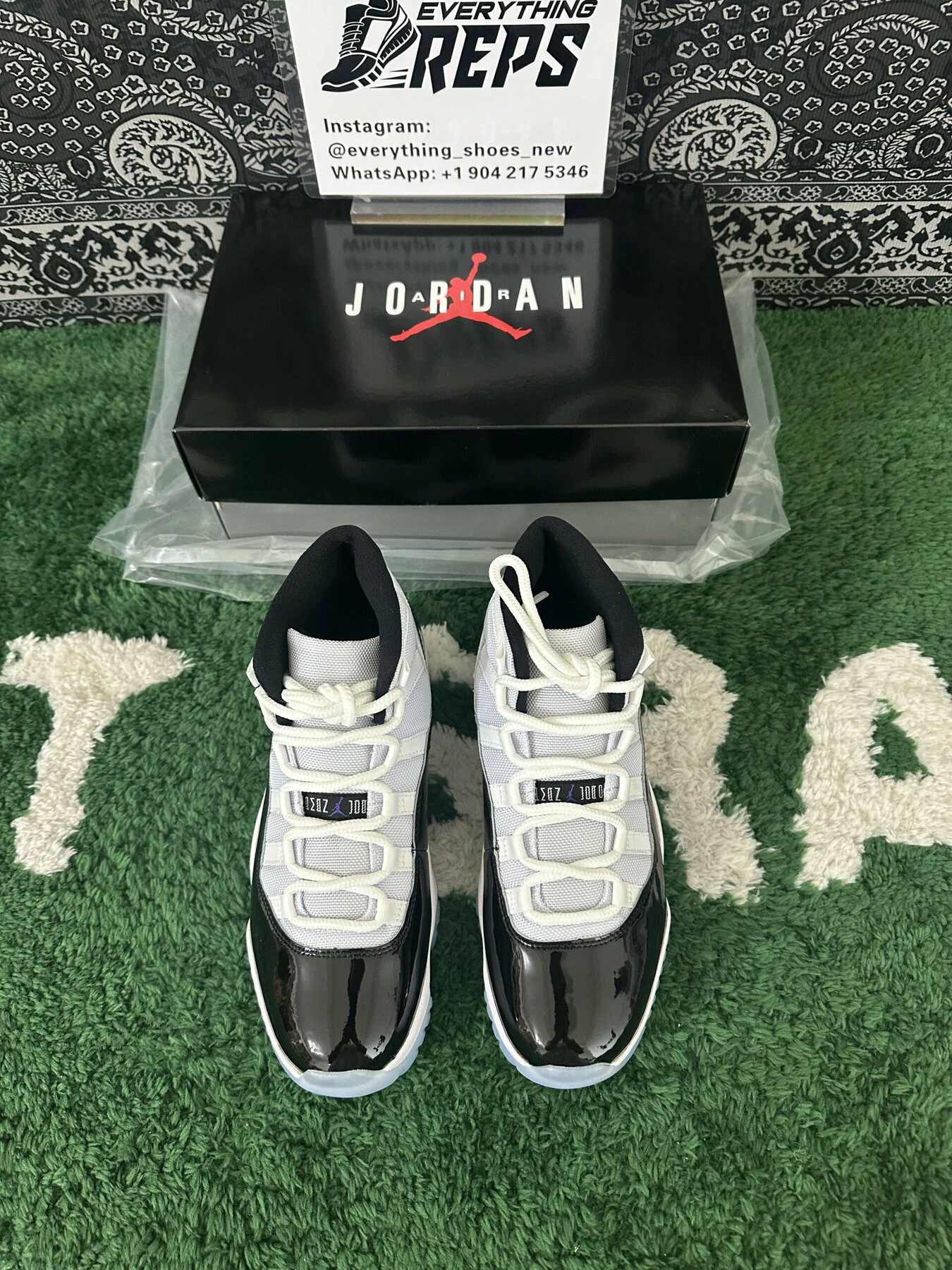
Search volume, social chatter, and early resale listings all point the same direction, but they measure attention rather than purchases. A colorway with loud chatter and a thin resale premium usually means plenty of supply and picky buyers.
Your own data beats any trend report. Look at how the last three similar releases performed: sell-through at 7, 30, and 60 days, return rate, and how much you had to discount to clear the tail.
Watch local cues as well. A team colorway, a campus, or a running club can move pairs in one zip code and sit untouched in the next. Local knowledge is the advantage a big-box buyer cannot copy.
Pricing, margin, and the resale ceiling
Retail price is fixed; your cost is not. If your landed cost leaves too little room after shipping and payment processing, a fast sell-out can still be a losing trade. Run the math at full price, at a 15% markdown, and at a 30% markdown before you place the order.
Aftermarket prices set a ceiling on what your customers will pay. When resale sits barely above MSRP, buyers walk into the mall instead. When the premium is wide, your problem flips to supply, and you should chase quantity rather than breadth.
New buyers treat every headline about sneaker drops as a buy signal. Most release calendars are routine product, and your job is to find the two or three pairs worth real depth, then let the rest pass without regret.
Release-week execution checklist
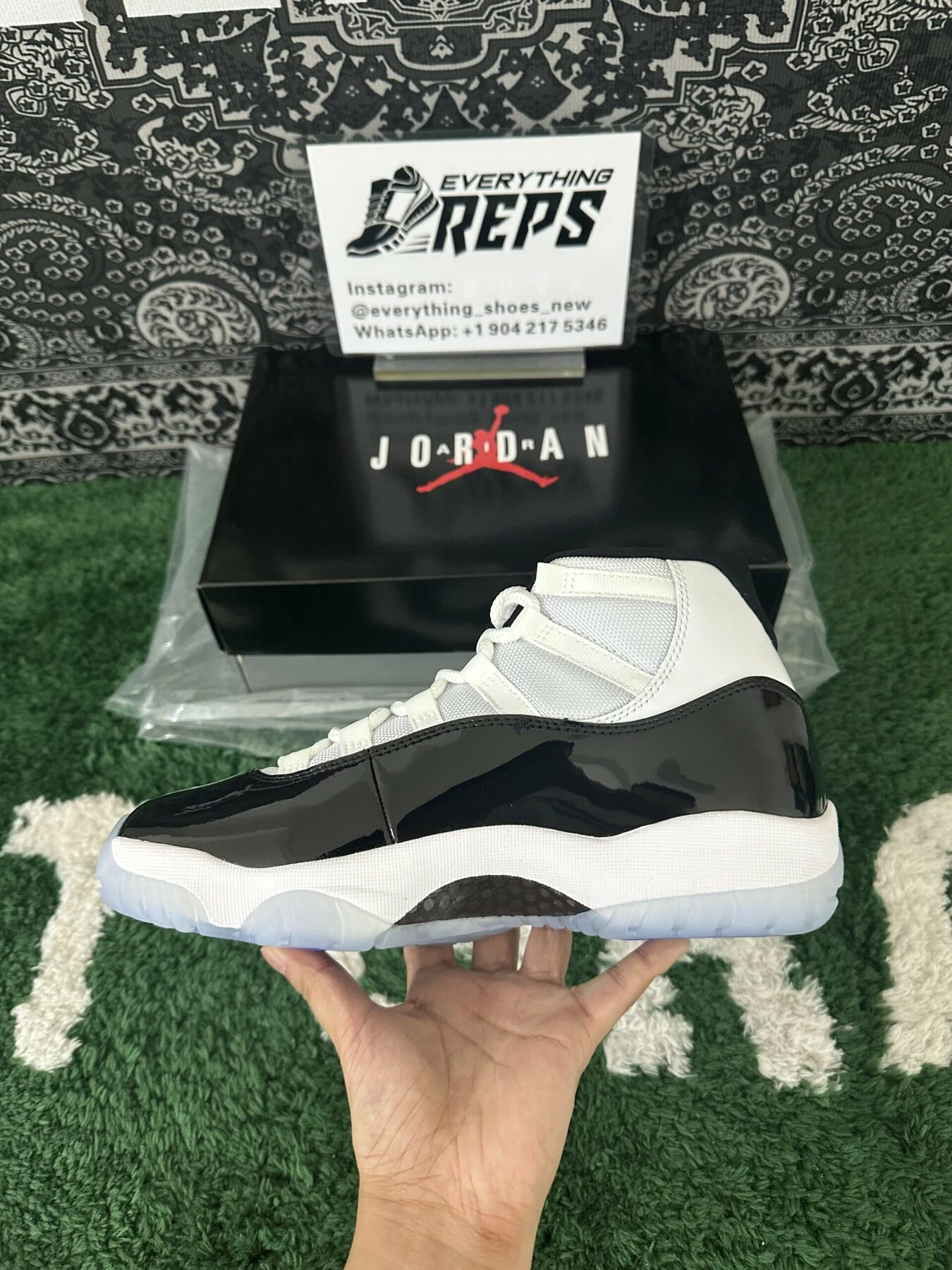
Execution decides whether a good buy turns into a good week. Work the list below in the ten days before a launch, then again on ship day.
- Confirm ship dates and quantities in writing, and log the carrier and tracking format you expect.
- Verify style codes, colorway names, and size runs against the purchase order before anything goes live.
- Load photos, descriptions, and size charts in advance so listings publish the moment inventory scans in.
- Set sell-through targets for day 3, day 14, and day 30, then compare them to actuals.
- Decide the markdown trigger before launch, not during a slow Tuesday two months later.
- Staff for the traffic spike and brief everyone on returns and exchange policy.
- Record which sizes sell out first, because that sets your next size curve.
FAQ
How far ahead should I plan for sneaker drops?
Start about 90 days out for core seasonal buys and 30 to 45 days out for limited launches, then confirm ship windows weekly. Suppliers rarely guarantee a single date, so build marketing around a two-week window. Confirm lead times with each supplier before you commit ad spend or pre-orders.
Do I need a brand wholesale account to buy release product?
No. Many independent shops buy through distributors, jobbers, or aftermarket sellers. A direct account usually means better cost and earlier access, but it also brings volume commitments and paperwork. Weigh the cost difference against the control you gain, and request a written price list before signing anything.
How many pairs per size should a small shop order?
For most men's lifestyle releases, two to three pairs in sizes 9 through 11 and one pair in the tail sizes is a common starting point for a single-door shop. Adjust with your own sell-through data. Anything you cannot clear at full price within 45 days is probably too deep. Check the official brand size chart for fit specifics.
Should I buy releases I cannot get at wholesale?
Only with a cost basis you can defend. Paying above MSRP works when the resale premium is wide and you can turn the pair within days, because the clock runs against you. If the premium is thin, skip it and put the cash into core sizes that sell every month.
Are sneaker drops still worth stocking for a small shop?
Yes, but selectively. Launches bring foot traffic and email signups that core product rarely earns, and those lists convert all year. Treat launch pairs as a marketing investment with a capped budget, and keep the bulk of your open-to-buy in replenishable styles with predictable turns.
If you are mapping the next quarter, ask for a current price list, minimum order quantities, and ship windows in writing. Compare landed cost across two suppliers, match the size curve to your own sales history, then commit. Send your supplier your size curve and a target sell-through, and you will get a far straighter answer than a generic inquiry.