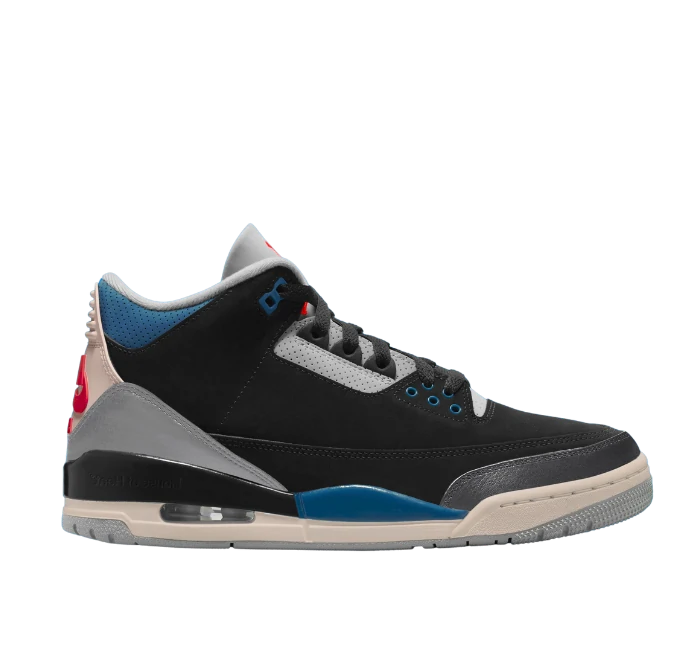
How do the Air Jordan 1 fit? For most buyers, true to size, with one caveat: the shoe sits on a narrow, slightly long last. Customers with wide feet or a high instep usually need a half size up, and nearly everyone needs a week of wear before the toe box stops feeling stiff.
That short answer covers the walk-in customer. The rest of this guide is for the people who have to act on it: shop owners answering the same question at the counter, and online sellers who would rather explain Sizing on a product page than absorb another return.
Fit on this silhouette has stayed stable for years, but materials, model tier, and the customer's foot shape still move the answer by half a size in either direction. Use the guidance below as a starting point, then check it against the official size chart for the specific release you are stocking.
The Baseline: What True to Size Means Here
Nike cuts this shoe close to a standard D width through the forefoot, and the length runs a touch long. A customer who wears a 10 in most Nike basketball retros will take a 10 here. Narrow-footed buyers with a short arch occasionally drop half a size, but that is the exception, not something to print as policy on a product page.
Materials move the answer more than the model name does. Soft tumbled leather on the collar and tongue loosens within a few wears. Patent leather and dense suede hold their shape longer and feel tight across the midfoot for the first month, which is where most too-small complaints start.
High, Mid, Low: Where the Fit Actually Changes
| Model | Volume through midfoot | Toe box feel | Sizing advice for most customers | Common complaint |
|---|---|---|---|---|
| Air Jordan 1 High OG | Standard, snug at collar | Stiff at first, roomy after break-in | True to size | Heel slip until laced higher |
| Air Jordan 1 Mid | Slightly roomier | Similar to the High | True to size, half up for wide feet | Ankle collar feels loose |
| Air Jordan 1 Low | Roomiest of the three | Narrow through forefoot | True to size | Toe box pressure on wide feet |
| Air Jordan 1 Low OG | Closest to the original shape | Snug, less padding | Half size up for many buyers | Thin tongue, tight instep |
The High and the Mid share the same forefoot, so length and width guidance carries over between them. What differs is the collar and the padding around the ankle, which is why some customers report heel slip in a High they laced the same way as a Mid.
At the counter, the question that comes up most is simple: how do the Air Jordan 1 fit in the Low compared with the High? The Low drops the ankle padding, so it feels roomier around the collar while staying just as narrow through the forefoot. Push wide-footed customers toward a half size up in the Low instead of letting them assume the missing collar means more room everywhere.
One version stands apart: the Low OG. Less padding, a thinner tongue, and a shape closer to the 1985 original make it the release where sizing up is routine rather than exceptional.
Sizing by Foot Shape, Not Just Foot Length
Width is where most exchanges start. A customer with a wide forefoot can go true to size and accept a firm break-in period, or go half a size up and gain width at the cost of some extra length. Neither is wrong, but be consistent in what you recommend, because a buyer who gets two different answers from two staff members will not trust either one.
High insteps and thick socks push the same direction: up half a size. Narrow feet and low arches usually stay true. For anyone between sizes, the deciding factor is toe splay rather than heel position, since the heel can be locked down with lacing.
- Measure both feet at the end of the day and use the longer one.
- Try the pair with the socks the customer actually wears.
- Check toe room with a thumb's width at the end, not by pressing on top of the box.
- Lace the top two eyelets before judging heel slip.
- Walk for two minutes on a hard floor before settling on a size.
This is also the fastest way to answer how do the Air Jordan 1 fit on a wide foot without guessing: start the customer in the same size they wear in a Dunk or an Air Force 1, then adjust from there.
A Five-Step Fit Check at the Counter
- Ask what size the customer wears in other Nike retros, not in dress shoes.
- Check width and instep before recommending a size up.
- Confirm the tier in hand: High OG, Mid, Low, or Low OG.
- Note the material on the pair, then adjust for patent leather or heavy suede.
- Set expectations on break-in and creasing before the sale closes.
Keep a condensed version of those five steps on your product pages. One clear line about half sizes and materials prevents most of the emails that begin with a complaint about tightness.
The Break-In Window
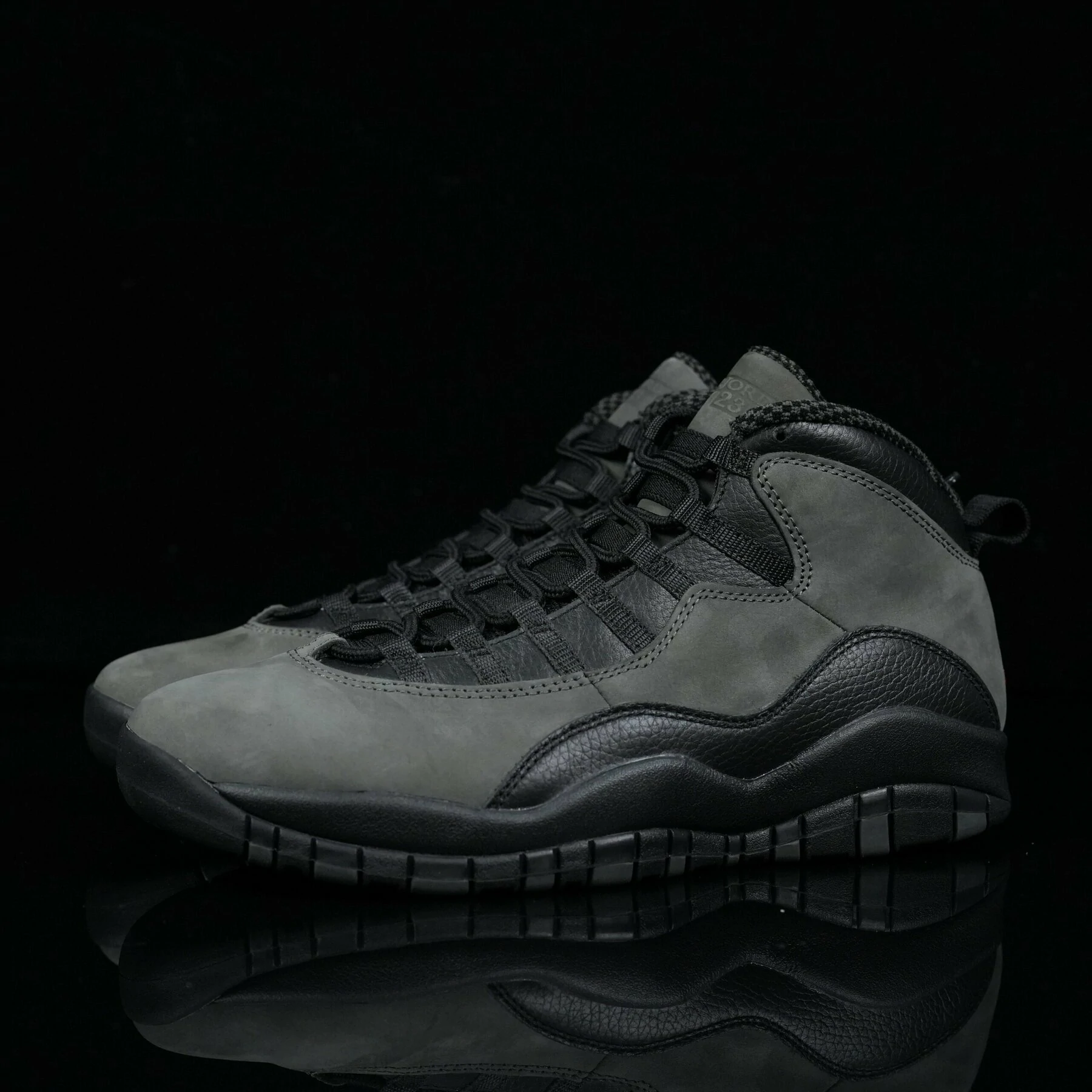
Expect five to ten wears before the leather softens across the vamp. The crease that forms over the toe box is normal and is not a defect, which is worth saying out loud to first-time buyers of a leather retro, since a fair share of complaints are about creasing rather than fit.
Customers should not try to speed this up with heat, wet socks, or shoe stretchers. Heat damages leather and glue; stretchers can distort the shape of the toe box. Plain wear with the laces slightly loose for the first week does the job.
If someone is deciding between two sizes and asks how do the Air Jordan 1 fit once broken in, the honest answer is that the shoe gains maybe a quarter size of volume, mostly across the vamp and collar. That is not enough to rescue a pair that pinches at the widest part of the foot on day one.
Stock Depth, Sizing Runs, and Returns
For shops, the real cost of fit questions shows up in exchange volume rather than in the first sale. Full sizes in the middle of the run move fastest; half sizes at the edges sit longer and come back more often. Order the middle of the run deeper and treat the extreme half sizes as fill-in stock rather than core depth.
Half size gaps are the other thing to watch. If you stock 9, 10, and 11 but skip 9.5 and 10.5, you will convert some of those customers to a full size and get a percentage of them back as returns. Whether that trade is worth the working capital depends on your return policy and your local competition, so run the numbers before you commit.
When you buy from a wholesale supplier or a liquidation lot, ask the same question your customers ask: how do the Air Jordan 1 fit in this specific colorway, and did the material mix change from the previous run? A supplier who cannot answer that at the SKU level is guessing.
Two habits cut returns more than any sizing chart. Publish insole length in inches or centimeters next to the US size, because that is a number a customer can actually measure at home. Then state plainly whether the pair runs true to size or needs a half size up, and note that this varies by material.
Fit Questions Buyers Ask Most
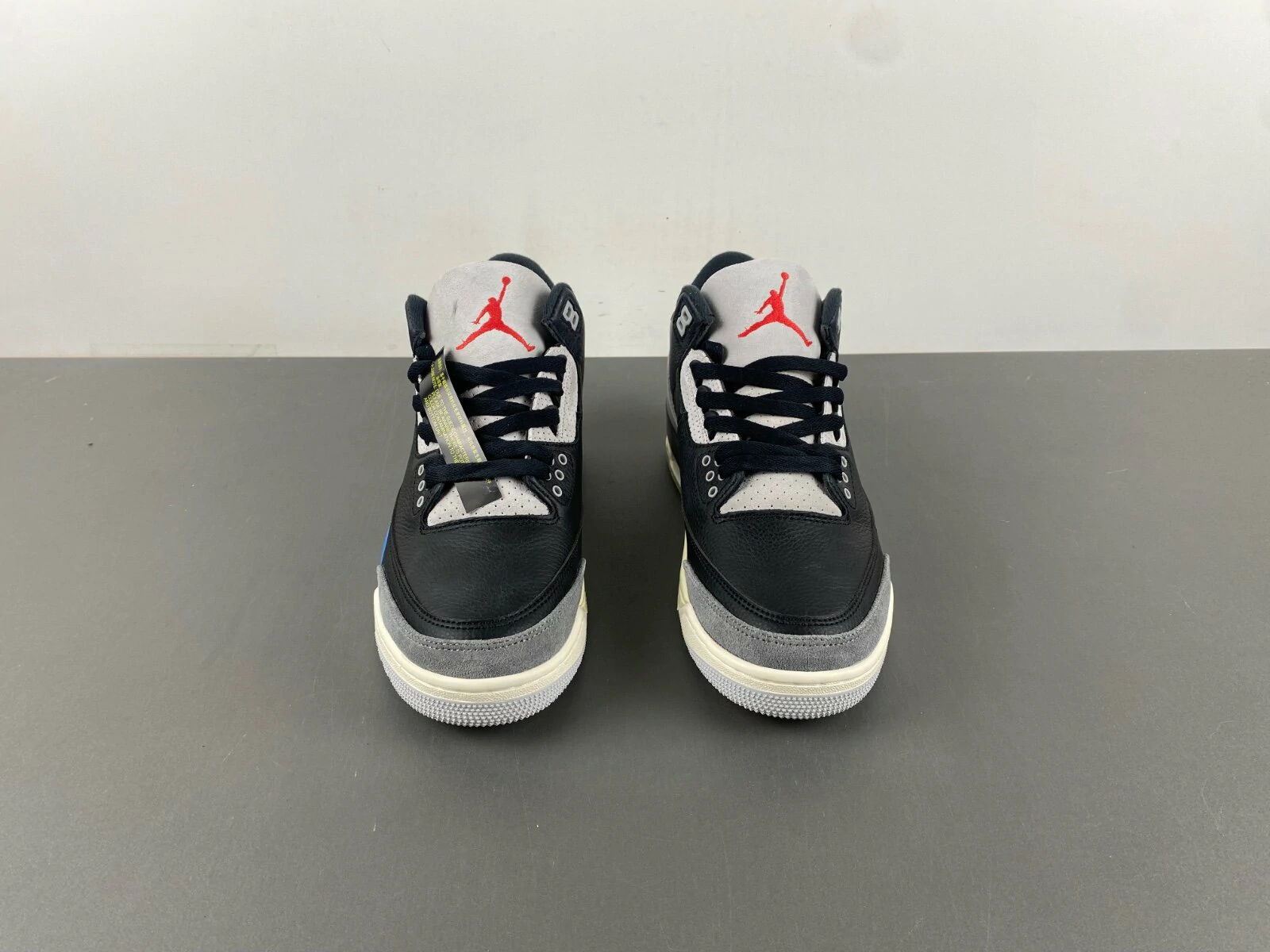
Do Air Jordan 1 run big or small?
They run close to true to size in length, but the forefoot is narrow. Most buyers take their normal Nike size. Wide-footed customers and anyone with a high instep should plan on a half size up, especially in patent leather or heavy suede, which stretch far less than soft tumbled leather.
Should I go half a size up?
Only if you have a wide forefoot, a high instep, or you are buying the Low OG. Everyone else should start true to size. Sizing up adds length as well as width, so a buyer with narrow feet ends up with heel slip that lacing cannot fully fix.
Do they fit the same as a Dunk or an Air Force 1?
Closer to a Dunk than an Air Force 1. The Air Force 1 runs roomier and heavier through the midfoot, so customers who size down in an AF1 should not do the same here. Use the Dunk as your reference point when a customer asks for a comparison.
Will they stretch out over time?
Leather panels loosen over the first two weeks of wear, mostly across the vamp and collar. Expect roughly a quarter size of extra volume at most. Suede and patent leather give up far less. A pair that pinches badly on day one will still pinch after a month.
How should a store advise wide-footed customers?
Offer the true size to try with thin socks and the half size up alongside it. Let the customer compare toe splay on a hard floor, and be clear that the wider option adds length. If neither works, point them to a roomier silhouette rather than talking them into a size that will come back.
Still working out the size run for your next order? Send over the models and colorways you are considering, along with your target quantities, and we will confirm availability, sizing notes, and wholesale terms before you commit.