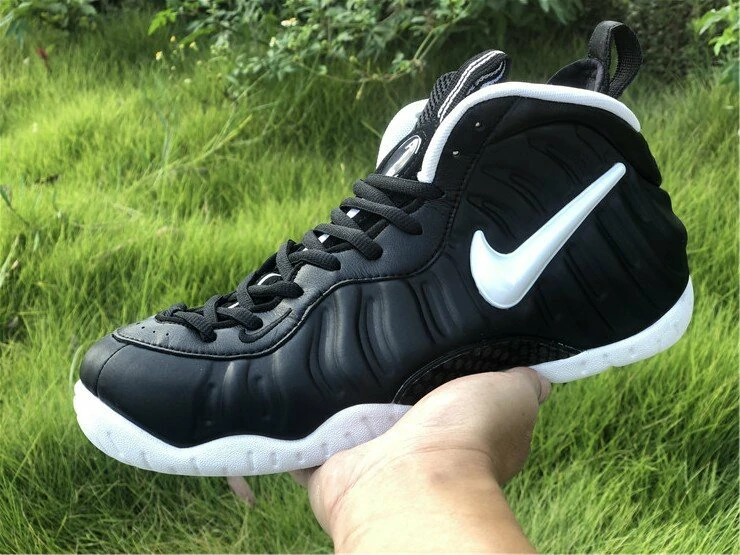
If a shopper at your Counter asks can you wear a nike Running shoe for Walking, the short answer is yes, and for most casual walkers it works well. Running shoes are built for straight-ahead motion on pavement, and a two-mile daily walk is that same motion at lower speed. The real Question is not whether it works, but whether the specific pair fits the specific walker.
What follows is how to answer it on the sales floor: what running foam does well at walking pace, where fit goes wrong, a short Script your staff can repeat, and what to keep in stock if walking customers make up a real share of your business.
Why Running Cushioning Holds Up at Walking Speed
Nike builds its running line around repetitive impact, and that impact does not disappear when the pace drops. A walker lands with less force per step than a runner, but takes more steps per mile and stays on their feet longer. Cushioning and a smooth heel-to-toe transition still matter.
The Models that translate best are the neutral, well-cushioned ones: Pegasus, Vomero, and Invincible, with structure-focused options for customers who overpronate. A running shoe used for walking usually gives more foam and a more flexible forefoot than a dedicated walking shoe at the same price.
Two conditions come with that. First, the shoe has to fit with room in the toe box, because walkers spend more time with the foot spread under load. Second, the foam has to be alive. A worn-out pair of runners is not a walking shoe, it is a flat platform with a spent outsole.
Where the Fit Breaks Down
Most complaints about walking in runners trace back to three things: a narrow toe box, too much drop, or a rocker that pushes the foot forward faster than the customer wants to move. When someone asks can you wear a nike running shoe for walking and mentions a wide foot, check the upper before you talk about cushioning.
| Build feature | Running-tuned version | What walkers notice | Practical recommendation |
|---|---|---|---|
| Heel-to-toe drop | Higher on most neutral trainers | Pitched-forward feel, tight calves | Offer a lower-drop or walking-specific option if they complain |
| Toe box width | Snug performance fit on faster styles | Toes pressed together after an hour | Point them to wide widths or roomier uppers |
| Outsole rubber | Lightweight, exposed foam on some models | Faster wear at the heel edge | Favor models with fuller rubber coverage |
| Rocker geometry | Pronounced toe spring | Unstable at slow speed | Flatter, neutral platform for casual walkers |
| Cushioning | Soft, high-stack foam | Comfortable at first, vague later | Match stack height to the customer's balance |
Treat the table as a quick reference, not a rule. The right call depends on foot volume, weekly mileage, and whether they walk on concrete, trails, or a treadmill.
A Counter Script for Staff Who Get This Question Weekly
Give your team a short, repeatable sequence instead of a product pitch. It takes about ninety seconds and it cuts returns.
- Ask how far and how often they walk each week, and on what surface.
- Look at the wear pattern on the pair they walked in with. Heel-edge wear means the outsole is done, no matter how clean the upper looks.
- Measure both feet while standing, late in the day. Feet swell, and most people are off by half a size.
- Check toe room with a thumb's width at the end, and confirm the widest part of the foot sits in the widest part of the shoe.
- Ask about foot issues: plantar fasciitis, bunions, heel spurs. These change the recommendation more than brand preference does.
- Set lifespan expectations: roughly 300 to 500 miles for a running shoe used for walking, then the foam compresses. Confirm against the manufacturer's guidance.
If a customer asks can you wear a nike running shoe for walking and mentions existing foot pain, slow down. Send them to a podiatrist before you sell anything new. That referral earns more loyalty than an upsell.
What to Stock When Walkers Are a Real Share of Sales
Walking customers buy differently from runners. They replace pairs less often, they rebuy the same model, and they rarely chase colorways. That changes your open-to-order mix.
Depth beats breadth here. Men's 8 to 12 and women's 7 to 10, with wide widths in the models that run narrow, will cover most of the demand. Neutral colorways in core models reorder cleanly; limited colorways sit on the shelf. Keep a small set of cushioned, stable options rather than five versions of the same shoe.
If you buy through a distributor or wholesale supplier, request the size curve before committing to a bulk order or a pallet. A case pack that skews small will leave holes in the run. Most suppliers will share a size breakdown on request, and that call is worth making before the order goes in.
Anyone asking can you wear a nike running shoe for walking is also a candidate for a second pair. Suggest a rotation: one cushioned pair for long walks, one lighter pair for errands. Two pairs worn alternately last longer than two pairs worn back to back.
Questions Buyers and Staff Ask Most
Is it bad to walk in running shoes every day?
Not for most people. The main risk is instability rather than damage, since soft high-stack foam can feel wobbly at slow speeds. Customers with balance issues, ankle instability, or plantar fasciitis should look at firmer, lower-stack options. Anyone with persistent pain should see a clinician instead of shopping for another shoe.
Do running shoes wear out faster if you only walk?
They wear differently. Walkers put more time on the outsole and less force per step, so heel rubber thins out while the midsole still looks fine. Check the heel edge, not the top of the shoe. Most cushioned trainers hold up for roughly 300 to 500 miles of use.
What is the real difference between a running shoe and a walking shoe?
Walking shoes usually run a lower drop, with a wider and more flexible forefoot and tougher heel rubber for the way walkers land. Running shoes carry more foam and a more pronounced rocker. For a casual walker either works; at high weekly mileage the walking-specific build tends to feel better.
Should customers size up for walking?
Usually a half size up from their dress shoe, and often the same as their running size. Toe swelling matters more on long walks. Measure standing, late in the day, and leave a thumb's width at the toe. Check the official size chart for the specific model, since lasts vary.
Can a customer use one pair for walking and the gym?
Yes for walking, light lifting, and treadmill work. For lateral movement, court sports, or anything with quick side-to-side motion, a running shoe is the wrong tool: the stack is too tall and the upper too soft. Keep a cross-training pair on the shelf for those shoppers.
Build the Walking Category on Purpose
Walking customers are steady repeat buyers, and they respond to straight answers instead of hype. If you are assembling a footwear program for a shop, an online store, or a small chain, start with a size curve and a short list of neutral, well-cushioned models. Send over your target size run and we will put together a quote.