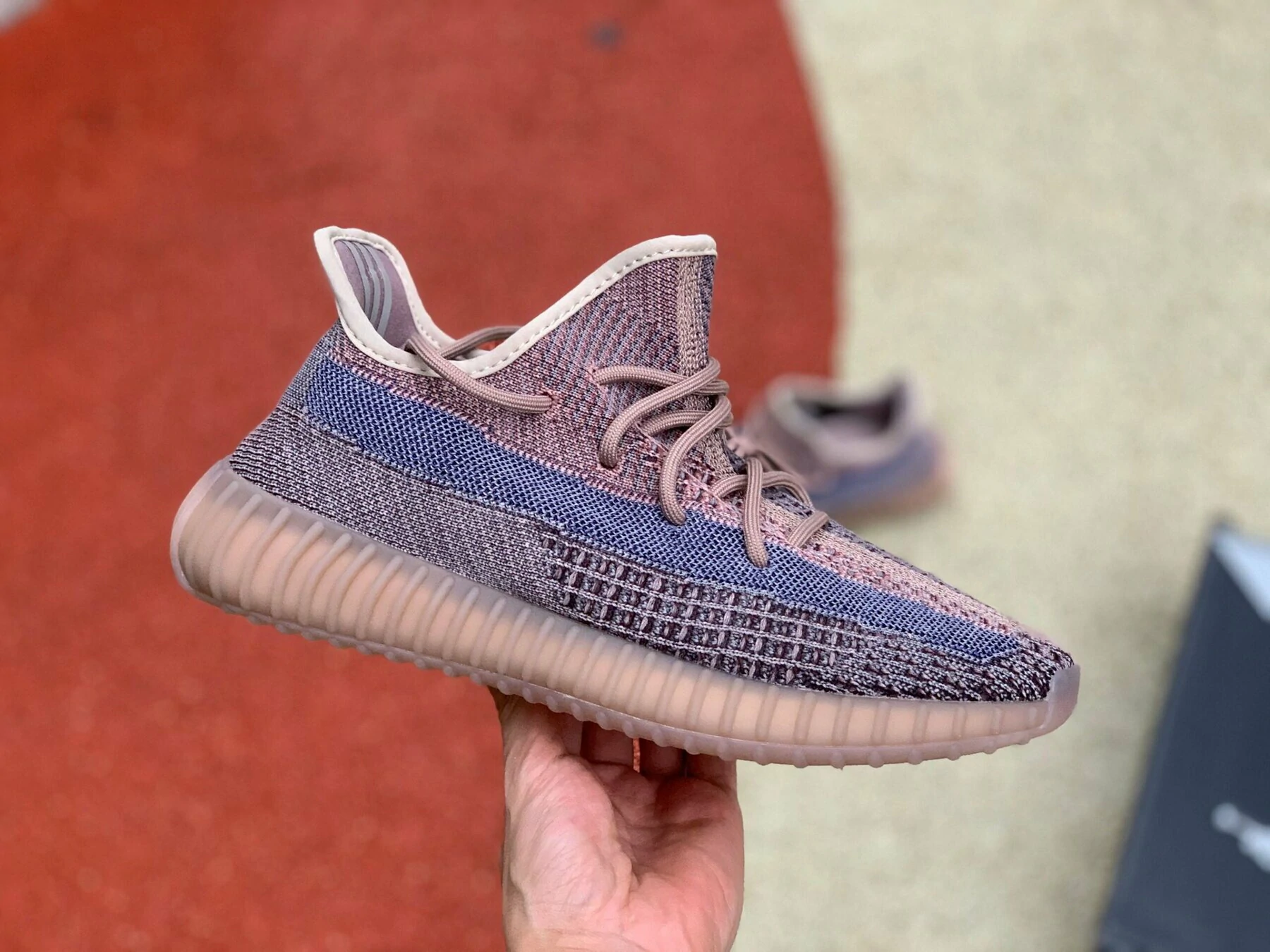
It comes down to what your customers ask for by name. The Samba is the volume shoe most US shops can sell across a full size run, while the tokyo is the specialty pair that gives regulars a reason to come back. That is the short answer to the adidas samba or tokyo question, and it holds for most independent stores and small online sellers.
What follows covers how each silhouette actually fits, where it earns shelf space, what to inspect before you pay a supplier, and how to build a first order without parking cash in sizes that will not move.
Silhouette Basics Buyers Should Know
The Samba began as an indoor football trainer and has stayed in near-continuous production for decades. Its shape is flat and low, with a T-toe overlay, a thin gum outsole, and a plain leather or suede upper. Nothing about it is technical, which is exactly why it sells to almost anyone who walks in.
The Tokyo comes from the city-series trainer family, a run of slim 1970s-style shoes named after cities. Builds vary by release, but most pairs use suede overlays, a low-profile midsole, and a narrower last than the Samba. Fewer pairs reach US shelves, so the shoe reads as something your customer has not already seen at the mall.
Materials shape how each one ages. Leather Sambas take a horsehair brush and a damp cloth and look better scuffed. Suede pairs, including most Tokyo releases, need a protectant before the first wear and a soft brush after each wet day.
Where Each One Earns Shelf Space
Samba handles the walk-in customer who wants a flat, familiar shoe in a color they recognize. That customer buys quickly, often two pairs, and rarely asks about release dates. Depth in core sizes matters more than breadth here.
The Tokyo attracts a different buyer: someone who already owns three pairs of low-profile trainers and wants the one their friends do not have. That buyer will pay for a good story and a clean suede build, but they are also the first to return a pair that creases oddly. Stock fewer units and expect slower turns.
Set the two against each other honestly and the adidas samba or tokyo decision usually comes down to who is standing at your counter. If your floor traffic is tourists and gift buyers, weight the buy toward Samba. If you run a boutique with a loyal local following, the Tokyo earns its place as a halo item.
Side-by-Side Comparison
| Factor | Samba | Tokyo |
|---|---|---|
| Who asks for it by name | Walk-in shoppers, gift buyers, first-time retro buyers | Collectors and regulars who follow city-series releases |
| Size run to stock first | Broad: roughly women's 5 to 11 and men's 7 to 13 | Core only: roughly women's 6 to 10 and men's 8 to 11 |
| Reorder pattern | Replenish core sizes every few weeks | Buy once, small follow-up only if it turns |
| Cash risk | Lower per pair, higher unit count | Higher per pair, lower unit count |
The size ranges above are planning starting points, not guarantees. Confirm what your supplier can actually allocate before you commit to a run.
Fit, Sizing, and Returns Risk
Samba runs narrow and sits low over the instep. Many customers take a half size up, and shoppers with wide feet often go a full size up or skip the shoe entirely. Keep half sizes in stock from US 6 through 11, because that band carries most of the Turnover.
Tokyo pairs are similarly slim, sometimes more so, depending on the last used for that release. Do not assume a customer who wears an 9 in Samba will take an 9 here. Ask them to measure on a Brannock device, and point them to the official size chart for the specific model.
Returns data settles arguments faster than any forum thread. Log every exchange by model and size for a month, and the adidas samba or tokyo sizing question answers itself with your own numbers.
Authenticity Checks Before You Wire Money
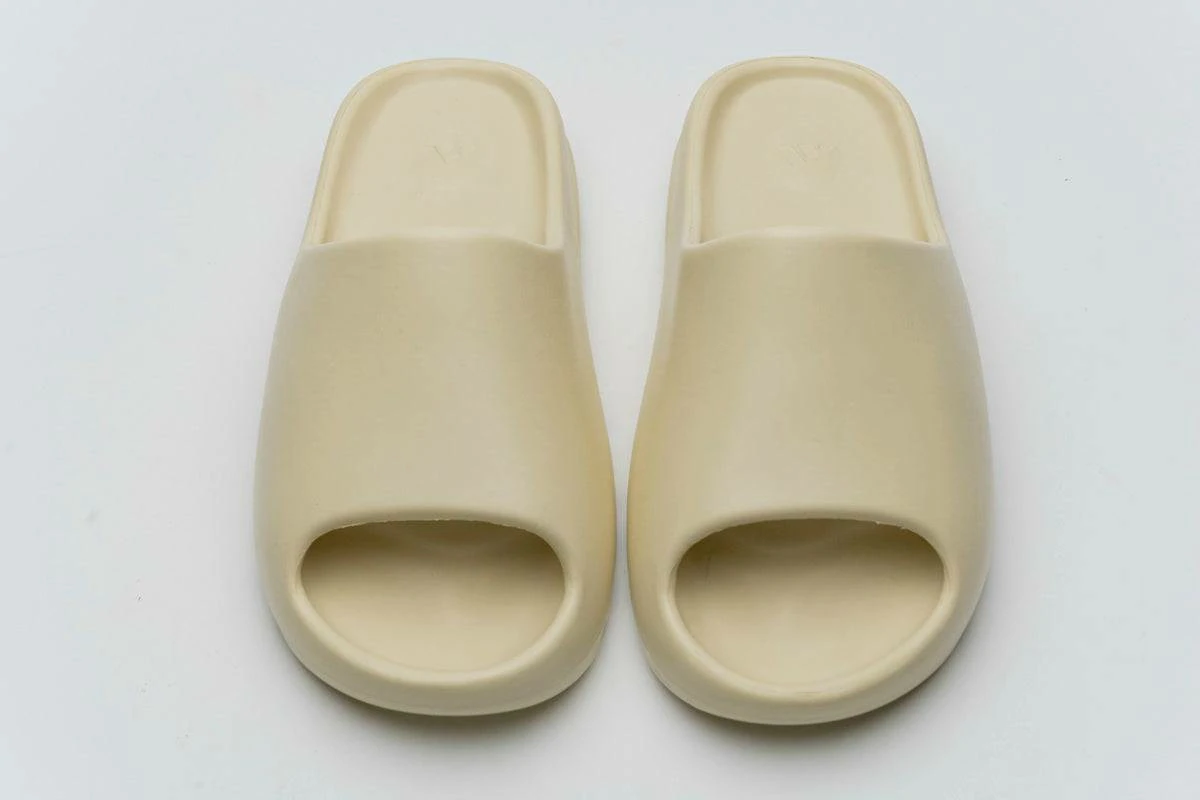
Replica Samba and Tokyo pairs have improved, but the shortcuts still show in the same places. Ask for close-up photos in daylight and compare them against a pair you already own.
- Toe overlay: the T-shape or mudguard should sit symmetrical, with even stitch spacing on both shoes.
- Heel tab: the logo print should be centered, sharp, and level with the collar.
- Stitching density: eight to ten stitches per inch is normal on retail pairs; loose, wavy lines are a warning.
- Sole tooling: the tread pattern, pivot point, and sidewall height should match the model year you are buying.
- Insole print: fonts, spacing, and the size stamp should line up with the box label.
- Box and tags: the article number on the box must match the tag inside the tongue.
- Supplier paperwork: ask for the invoice chain and a sample pair before a full order ships.
No checklist replaces a trained eye. On any order above a few thousand dollars, budget for third-party authentication on a sample pair.
Planning a First Order
Start with a split buy rather than a bet on one model. A common approach is to give the proven silhouette roughly 70 percent of the budget and the specialty pair the rest, then adjust after the first sell-through report. Confirm minimum order quantities, pack sizes, and size-run splits in writing before you pay a deposit.
- Ask for the size run breakdown per colorway, not just the total unit count.
- Request a restock window in writing so you can plan reorders around it.
- Get freight terms and estimated transit time quoted separately from the goods.
- Check duties and clearance rules with a licensed customs broker, since rates and thresholds change.
- Photograph every carton on arrival to support any shortage claim.
Frequently Asked Questions
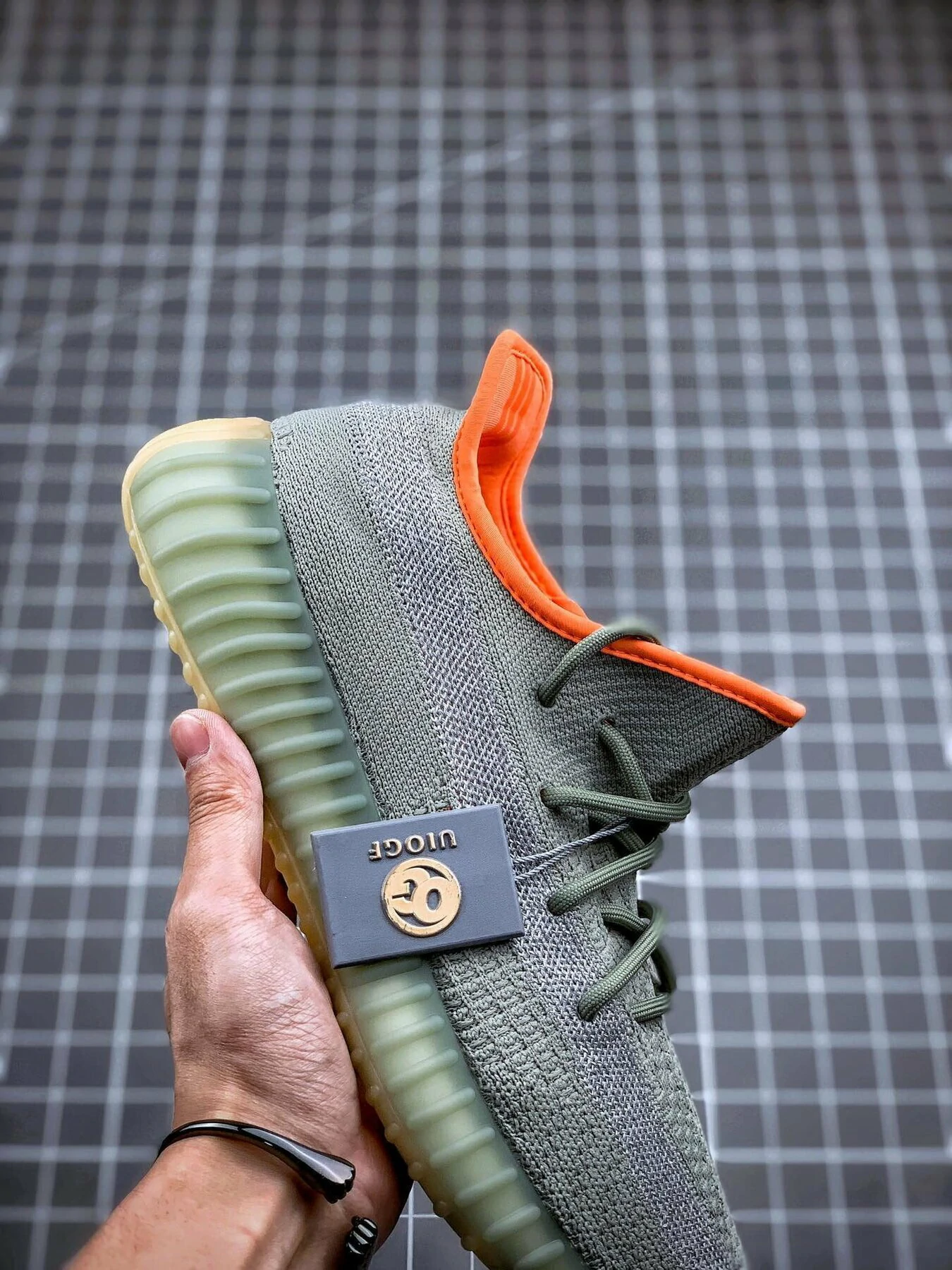
Does the Samba fit true to size?
Most buyers find it true to length but snug across the forefoot, so half-size up is common for anyone with a wider foot. Customers who wear thin socks often stay at their normal size. Always check the official size chart for the exact model, because lasts change between releases and upper materials affect how much the shoe gives.
Is the Tokyo hard to source in the US?
Availability is tighter than Samba, and colorways come and go with each drop. Distributors usually hold smaller allocations, so plan two to three months ahead and confirm the size split early. If a supplier cannot show the article number and box label, walk away.
Which one turns faster for a small shop?
Between adidas samba or tokyo, the Samba moves faster in most US stores because the name needs no explanation. The Tokyo sells in fewer units but at a better story premium, which helps margin per pair. Small shops with loyal local customers often do well with a shallow Tokyo buy next to a deep Samba run.
Can I mix both models in one purchase order?
Many wholesalers allow mixed orders as long as each colorway meets the per-style minimum. Ask whether the minimum applies per style, per size run, or per order total, since that changes your cash outlay a lot. Get the terms in writing, and confirm whether mixed orders affect lead time.
What should I budget for a test order?
Test orders usually land in the low thousands of dollars for a small independent shop, depending on quantity and terms, and freight sits on top of that. Treat the first order as a data purchase, not a profit center, and keep enough cash to reorder the sizes that sell out in the first three weeks.
Next Step
Send your target size run, colorway preferences, and budget to your supplier and ask for a written allocation with lead times. If you are still weighing adidas samba or tokyo for the coming season, request quotes on both, compare the size splits side by side, and place the first order with the supplier who shows clear paperwork and realistic restock dates.